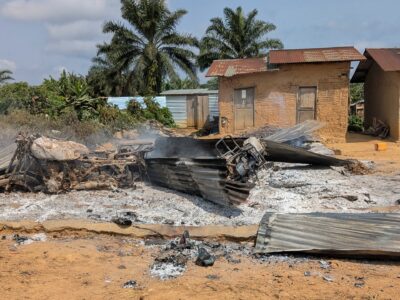
A deadly attack on the al-Hadara market in the al-Waziiya district of Yemen’s Taiz governorate has claimed the lives of at least 30 people, according to Houthi rebels. The incident has sparked a fierce exchange of blame between Yemeni government forces and Houthi rebels, each accusing the other side of orchestrating the deadly strike.
The Taiz region has been a hotspot for conflict throughout Yemen’s ongoing civil war, with both sides vying for control over strategic areas. Al-Hadara market, a bustling center for local commerce, was targeted in the attack, causing significant civilian casualties and widespread destruction.
The Houthis stated that the attack was carried out by Yemeni government forces, accusing them of deliberately targeting civilians to weaken Houthi influence in the area. They released casualty figures indicating that over 30 people were killed in the strike, highlighting the severity of the incident.
Conversely, Yemeni government officials have denied responsibility, asserting that the Houthis are attempting to manipulate the narrative to garner international sympathy and support. Government sources have claimed that Houthi forces frequently launch attacks in populated areas, putting civilian lives at risk to maintain their territorial gains.
The international community has expressed deep concern over the rising civilian toll in the Yemeni conflict, with the United Nations and humanitarian organizations calling for an immediate ceasefire and unhindered access to aid for affected populations.
The attack on al-Hadara market underscores the tragic human cost of the ongoing conflict. Markets such as al-Hadara are vital for the livelihoods of local communities, serving as essential hubs for trade and social interaction. The destruction of such a marketplace not only devastates the economy but also deepens the societal wounds inflicted by years of warfare.
Medical facilities in Taiz are struggling to cope with the influx of casualties, facing shortages of supplies and personnel, compounded by frequent disruptions caused by the conflict. Emergency responders have appealed for increased support to manage the crisis.
Efforts to broker peace in Yemen have repeatedly faltered amid mistrust and continued hostilities. The latest attack could further complicate peace negotiations, as accountability and security remain core issues.
Analysts suggest that the blame exchange reflects deeper strategic calculations by both sides to influence domestic and international perceptions. With the war entering its ninth year, the humanitarian situation deteriorates daily, demanding urgent resolution.
Taiz governorate, once a vibrant cultural and economic center, remains emblematic of Yemen’s broader struggle between war and peace. Civilians bear the brunt, caught in the crossfire of political and military ambitions.
This tragic event in al-Hadara market serves as a stark reminder of the urgent need for renewed diplomatic efforts and robust protection of civilian lives amid the Yemeni conflict. Without concerted action, such incidents are likely to continue, perpetuating the cycle of violence and suffering in the region.