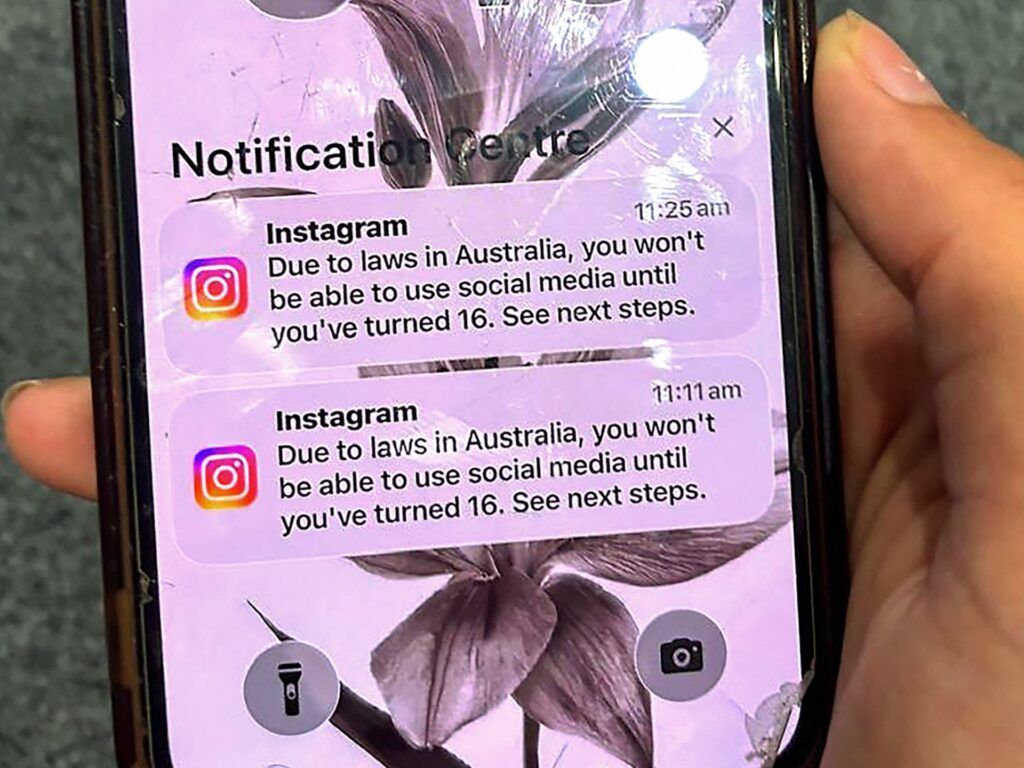
In recent legal proceedings, the Australian government has come forward to defend a new policy banning social media access to children under the age of 16. This move has sparked significant public and legal debate regarding children’s safety in the digital age.
Government lawyers presented their case in court, emphasizing the potential risks and harms that social media usage poses to young children. They argued that the immersive nature of social media platforms can expose children to inappropriate content, cyberbullying, and mental health issues such as anxiety and depression.
The government’s stance is that proactive measures are essential to safeguard the younger population from these threats. They highlighted studies and reports illustrating increased incidents of distress among minors due to unchecked social media use.
The proposed ban would require social media companies to implement stricter age verification processes. This policy targets platforms like Facebook, Instagram, and TikTok, which boast massive young user bases.
Critics of the ban argue that such restrictions could infringe on children’s rights to digital access and expression, and that education rather than prohibition is a better approach. However, government officials maintain that the risks outweigh these concerns and that a legal framework is necessary to enforce compliance.
Experts from child psychology and digital safety fields have shown mixed responses. Some support the ban, noting that limiting social media exposure can help prevent early onset of mental health issues. Others suggest enhanced parental controls and digital literacy programs as complementary strategies.
The court case will examine the legal validity and potential implications of this ban, balancing child protection with civil liberties.
Should the government’s policy be upheld, Australia would join a growing number of countries enacting tougher regulations around youth social media usage.
This case highlights an ongoing global conversation about how best to protect children in an increasingly digital world, where the line between benefit and harm can be delicate.
For now, Australian families are advised to monitor and guide their children’s digital activities closely, pending legal outcomes.
The government’s commitment to child safety through this policy illustrates the challenges modern societies face in regulating technology while respecting freedoms. As the case unfolds, all eyes will be on the court’s decision and its potential to set a precedent for internet governance and youth protection worldwide.