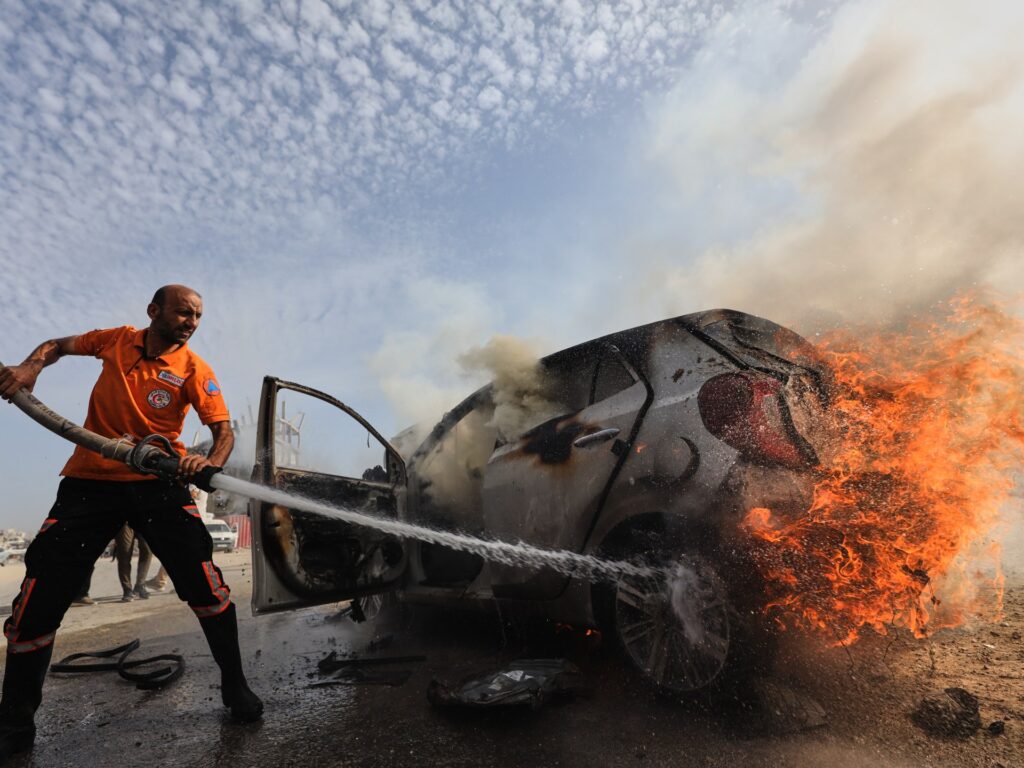
Israeli forces have reportedly killed four Palestinians in Gaza, as the conflict between Israel and Palestinian factions continues to inflict significant casualties. This recent violence comes amid an already fragile situation, in which a fifth Palestinian has succumbed to wounds sustained earlier, further highlighting the persistent instability in the region.
The Gaza Strip has been a flashpoint for violence for decades, with multiple conflicts resulting in substantial human suffering. Despite the establishment of a US-brokered ceasefire in October of the previous year, the situation remains volatile. Since the ceasefire took effect, nearly 1,600 Palestinians have lost their lives in Gaza, demonstrating the challenges in maintaining peace and security in the area.
The ceasefire, intended to halt hostilities and provide a pathway toward peace, has encountered numerous obstacles. Sporadic violence, including military operations and exchanges of fire, underscores the complex dynamics between Israeli forces and Palestinian militant groups. This latest incident, with the killing of four Palestinians and the subsequent death of another from earlier injuries, reflects the ongoing cycle of violence despite diplomatic efforts.
Human rights organizations have frequently expressed concern over the high number of casualties in Gaza, particularly among civilians. The dense population and limited infrastructure in the region exacerbate the humanitarian impact of any conflict. Medical facilities and services often become overwhelmed during periods of heightened violence, impeding the ability to provide adequate care and leading to preventable deaths.
International reactions to the situation in Gaza have varied, with calls for restraint and renewed dialogue from global powers. The United Nations and several countries have urged both sides to adhere strictly to the ceasefire agreements and engage in meaningful negotiations to address the underlying issues. The enduring hostilities not only cause immediate suffering but also hinder longer-term peace prospects and regional stability.
The killing of four Palestinians by Israeli forces and the death of another from prior injuries represent a stark reminder of the fragile security environment in Gaza. With over 1,500 lives lost since the ceasefire’s inception, the international community faces mounting pressure to intensify efforts toward a sustainable resolution. Continued violence threatens to unravel the gains made and deepen the humanitarian crisis affecting hundreds of thousands of people.
As the situation unfolds, attention remains focused on diplomatic initiatives aimed at preventing further casualties and fostering reconciliation. Peace advocates emphasize the importance of addressing core disputes, including border security, political recognition, and humanitarian access, to break the cycle of violence. Meanwhile, the people of Gaza continue to endure the consequences of a conflict that shows little sign of abating.
This latest episode underscores the urgent need for comprehensive strategies that prioritize human rights, security, and mutual understanding. Without concerted international and regional cooperation, the prospects for a lasting peace remain uncertain, and the toll on civilian lives will likely persist. The struggle for stability in Gaza is emblematic of broader challenges in the Middle East, where historical grievances and geopolitical complexities intersect.
In conclusion, the killing of four Palestinians and the additional death of another from wounds sustained earlier serve as grim indicators of the ongoing conflict in Gaza. Despite the ceasefire brokered last year, violence continues to claim lives and destabilize the region. Moving forward, intensified diplomatic efforts and humanitarian support are critical to halting the bloodshed and paving the way for enduring peace.