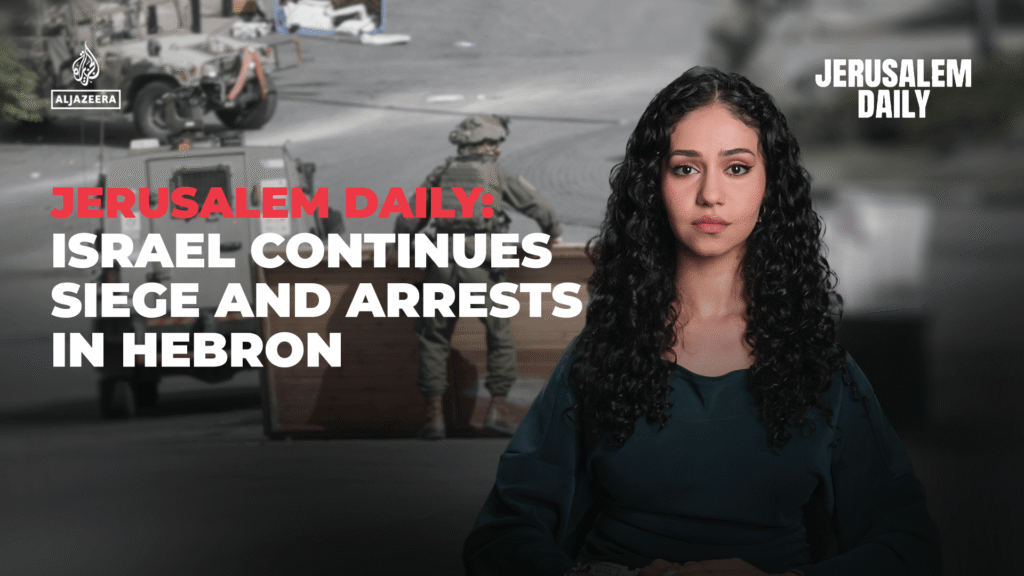
The situation in Hebron remains tense as Israel persists with its siege, now entering its 10th consecutive day. This ongoing blockade has led to widespread disruptions for the local population, with reports of shortages in essential supplies and restricted movement across the city. The Israeli military has conducted multiple arrest operations throughout the siege, targeting individuals they suspect of involvement in militant activities.
Parallel to the situation in Hebron, Israel’s offensive actions against Gaza continue unabated. The airstrikes and ground operations have resulted in significant destruction and casualties, further escalating the humanitarian crisis in the region. International observers and human rights organizations have expressed growing concern over the impact of the attacks on civilians, calling for restraint and immediate humanitarian access.
The siege in Hebron has led to heightened security measures, including road closures and checkpoints that have severely affected the day-to-day lives of residents. Many families report difficulties in accessing medical care, education, and basic necessities. The arrests occurring during the siege are viewed by some as part of a broader strategy to weaken local resistance, while others criticize them as actions that could inflame further tensions.
Israel defends its actions as necessary security measures aimed at preventing attacks and ensuring the safety of its citizens. Officials emphasize the targeting of militant infrastructure and operatives, asserting that civilian harm is unintended and regrettable. Nonetheless, the continuing violence has drawn criticism from several nations and international bodies, who call for renewed peace efforts and dialogue to resolve the underlying conflict.
The humanitarian situation is particularly dire, with aid agencies struggling to reach affected areas due to the siege and ongoing hostilities. Access to clean water, food supplies, and medical aid is increasingly limited, exacerbating the hardships faced by vulnerable populations, especially children and the elderly.
Meanwhile, political leaders and peace advocates worldwide are urging restraint from all parties to eschew further violence and to return to negotiations. The complex historical and political context of the Israeli-Palestinian conflict underpins these recent developments, and analysts warn that continued aggression risks prolonging the cycle of violence and suffering.
As the siege in Hebron extends, the international community watches closely, hoping for an end to hostilities and a revival of efforts toward a durable peace solution. The people of Hebron and Gaza remain caught in the midst of this crisis, their futures uncertain amidst the ongoing conflict.