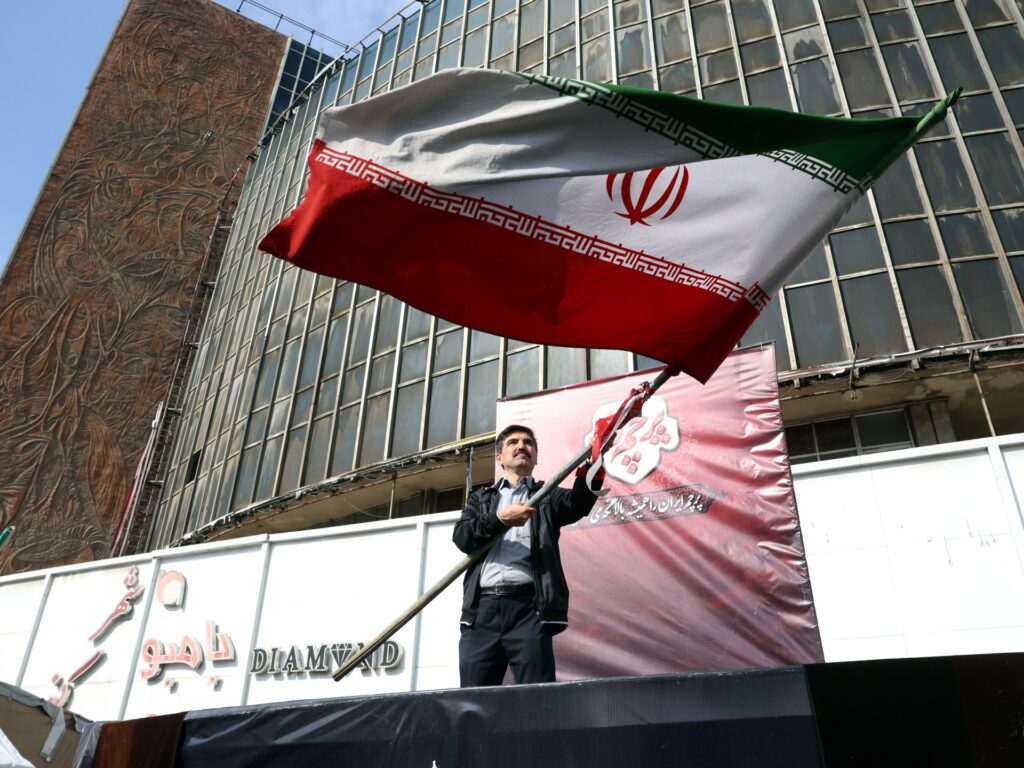
Tensions between Iran and the United States have once again surged, bringing the world to the brink of another potential conflict. However, amid growing threats of war, both nations have shown signs of willingness to engage in diplomatic efforts to de-escalate the situation.
Iran has issued statements indicating that it could reopen the Strait of Hormuz, an essential oil transit chokepoint, in a shorter period if certain conditions are met. The closure of this strategic waterway would have severe implications for global oil markets, highlighting Iran’s significant leverage in this crisis. The nation’s leadership appears to be using this stance as a means of pressuring the United States to reconsider its policies and actions.
On the other side, the United States, led by President Donald Trump, has responded with stern warnings that it still has targets to ‘take care of.’ This rhetoric underlines the ongoing threat of military action and the potential for escalation if diplomatic efforts fail. The Trump administration has maintained that it seeks to protect its interests and allies in the region but has left open the door for negotiations.
Experts suggest that both Tehran and Washington recognize the catastrophic consequences a direct conflict would entail. The global community watches closely as diplomats work behind the scenes to find pathways for dialogue. The United Nations and other international bodies have called for calm and urged restraint from both parties.
The current situation is a complex interplay of geopolitical, economic, and security factors. Iran’s strategic position and its ability to influence maritime routes intersect with the United States’ interests in maintaining stability and safeguarding energy supplies.
This delicate balance has, so far, prevented full-scale war, but the fragility of peace remains evident. The exploration of diplomacy, despite hostile rhetoric and recent threats, signals a mutual understanding that dialogue might be the only viable route to avoid catastrophe.
As negotiations potentially move forward, the international community continues to advocate for peaceful resolutions and the avoidance of actions that could lead to widespread instability in an already volatile region.