India has planned to construct its largest dam in Arunachal Pradesh as a strategic move to counterhydropower projects upstream in China. This mega dam is designed to enhance India’s hydroelectric power capabilities and assert control over water resources that are crucial in the geopolitics of the region.
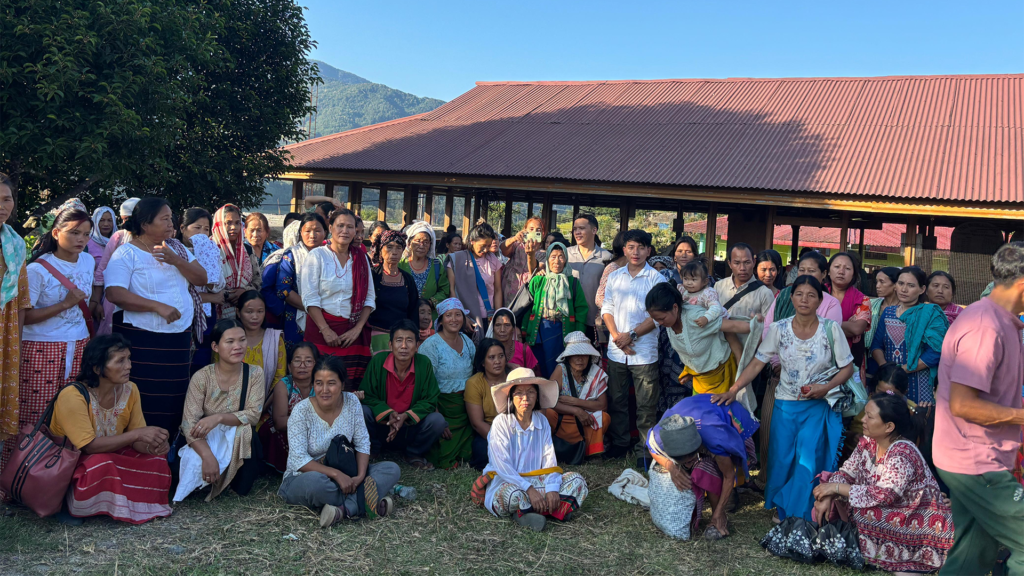
However, this ambitious infrastructure project has sparked significant opposition from the Indigenous communities living in Arunachal Pradesh. These groups argue that the dam threatens their ancestral lands, cultural heritage, and the ecological balance of the region.
The Indigenous peoples’ revolt is rooted in concerns about displacement, environmental degradation, and the lack of adequate consultation or participation in the decision-making process. For many, the dam represents not just a physical alteration of their environment but also an infringement on their rights and way of life.
Arunachal Pradesh, located in India’s northeast, shares a sensitive border with China, a factor that heavily influences India’s strategic infrastructure development policies. The proposed dam is part of India’s broader efforts to assert its presence and defend its interests against Chinese upstream water projects that have geopolitical and environmental implications for the region.
Proponents of the dam emphasize its potential benefits, including increased power generation capacity, energy security, and the reinforcement of India’s territorial claims along the border. They argue that the infrastructure will aid in development and act as a countermeasure to China’s aggressive hydro projects which can affect water flow downstream.
However, critics highlight the potential ecological impacts such as disruption of river ecosystems, loss of biodiversity, and changes in local climate patterns. The Indigenous communities’ protests have brought international attention to the social and environmental costs of large-scale infrastructure projects in sensitive border areas.
The Indian government faces a complex challenge: balancing national security and development goals with the protection of Indigenous rights and environmental sustainability. The situation underscores the need for inclusive dialogues, transparent planning processes, and sustainable development practices that respect local communities and the natural environment.
In conclusion, while the dam project aims to strategically counter China’s hydroelectric advancements upstream, it has triggered a significant Indigenous revolt in Arunachal Pradesh. The success of this project will depend not only on engineering and geopolitical factors but also on resolving social conflicts in a manner that honors Indigenous voices and ecological stewardship.