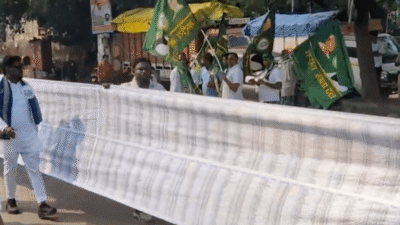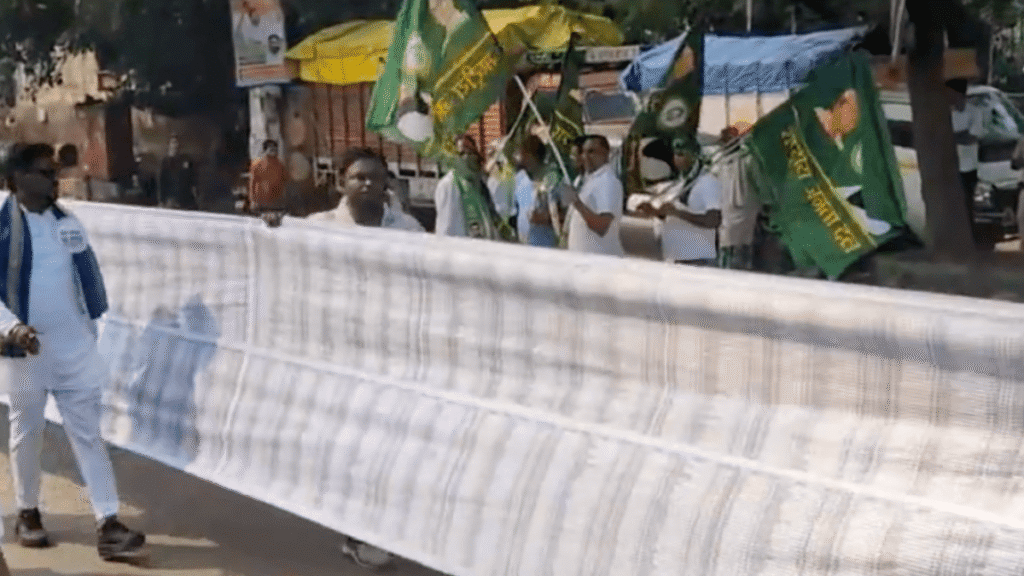
In a striking demonstration in New Delhi, protesters carried a one-kilometre-long banner displaying the names of thousands of individuals who have been deleted from India’s voter rolls. This protest highlights concerns over the exclusion of eligible voters and the transparency of the electoral process in the country.
The banner, which stretched across a significant stretch of the capital city, brought attention to what activists argue is a systematic removal of names without adequate notification or justification. Many of those whose names were removed claim they were not given a fair chance to contest their exclusion.
The issue of voter deletion has sparked widespread debate, with critics suggesting that the removal of names disproportionately affects certain communities, potentially impacting electoral outcomes. Supporters of the deletions argue that the updated rolls are crucial to maintain the integrity of the voting process by removing duplicate or ineligible entries.
India’s Election Commission has stated that the deletions are part of a routine update process based on verifiable data, aimed at creating accurate voter lists. However, the scale and method of the removals have prompted activists to demand greater transparency and accountability.
Protesters marched through key locations in New Delhi, displaying the banner and chanting slogans demanding the restoration of all legitimate voters’ names. The demonstration resonates with broader calls for electoral reforms and the protection of democratic rights in India.
The government has not yet responded in detail to the protest, but this event underscores growing public concern over electoral roll management and the potential disenfranchisement of citizens.
This development comes ahead of significant upcoming elections in India, making the issue of voter eligibility particularly salient. Observers are closely watching to see how authorities address these demands and whether any policy changes will follow.
The protest also emphasizes the critical role of civil society and citizen activism in holding institutions accountable and safeguarding democratic processes. It highlights the ongoing struggle for inclusivity and fairness in one of the world’s largest democracies.
Experts suggest that ensuring transparent procedures and clear communication about voter roll updates is essential to build trust among the electorate and minimize disputes.
As the debate continues, the month-long visibility of the protest banner has significantly raised awareness among the public and media, prompting discussions about the future of India’s electoral integrity.
This episode serves as a reminder that democratic participation hinges not only on the right to vote but also on the assurance that all eligible citizens are duly recognized and able to exercise their voting rights without obstruction.
In conclusion, the New Delhi protest with a one-kilometre banner of deleted voters’ names is a powerful statement against electoral exclusion. It calls on Indian authorities to revisit their approach to voter roll management and engage with citizens to uphold democratic inclusivity and transparency.