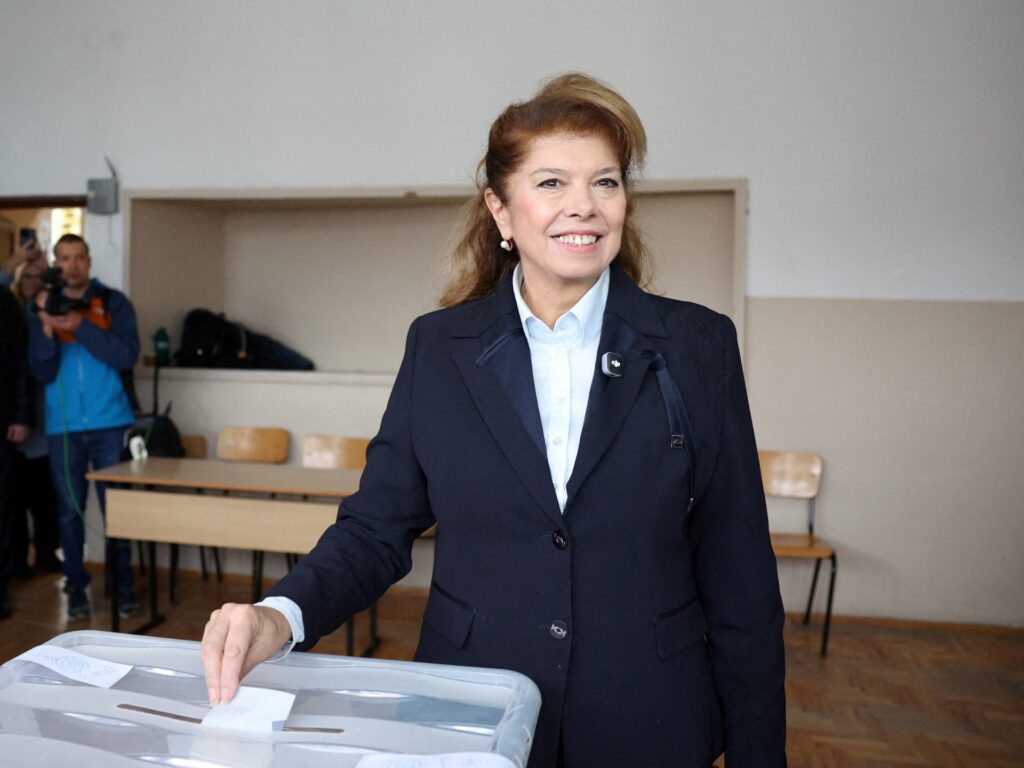
In a historic moment for Bulgaria, acting President Iliana Iotova is leading in the run-off exit polls for the national presidential election held on Monday. If these results hold true, Iotova would become the country’s first elected female president, marking a significant milestone in the nation’s political landscape.
The election, closely watched both domestically and internationally, saw a competitive run-off race, with Iotova emerging as the frontrunner according to initial exit polls released shortly after the polls closed. This victory would not only affirm the confidence of Bulgarian voters in her leadership but also break a longstanding gender barrier in Bulgarian politics.
Iliana Iotova, who stepped into the role of acting president prior to the election, has had a political career marked by her advocacy on issues such as social justice, economic development, and European integration. Her campaign emphasized continuity, stability, and progress, seeking to build on her experience and connect with a broad spectrum of the Bulgarian electorate.
Political analysts suggest that Iotova’s lead in the exit polls reflects a desire among voters for steady governance amid regional uncertainties and domestic challenges. Bulgaria, like many countries in Eastern Europe, faces a complex political environment, including economic pressures and geopolitical tensions.
The historic prospect of Iotova becoming the first woman elected president resonates strongly within Bulgaria’s ongoing efforts towards gender equality and representation. It also aligns Bulgaria with a wider European trend of increasing female participation and leadership in politics.
As the nation awaits the final official results, many are reflecting on the significance of this election. Should Iotova’s lead be confirmed, her presidency will be seen as a new chapter for Bulgaria — one that highlights progress toward inclusivity and challenges traditional political norms.
The election process itself was marked by high voter turnout and peaceful conduct, with electoral authorities working to ensure transparency and fairness. Observers noted the importance of these elections in shaping Bulgaria’s domestic policy and its role within the European Union.
On Monday evening, celebrations began among Iotova’s supporters, who expressed hope and optimism for the future under her leadership. At the same time, calls for unity and collaboration across political divides were heard, emphasizing the need for collective effort in addressing Bulgaria’s challenges.
The international community has also taken note of the elections, with many leaders congratulating Bulgaria on its democratic process and expressing interest in working with the incoming president. Iotova’s presidency is expected to impact Bulgaria’s foreign policy, particularly its relationships within Europe and with neighboring countries.
This election could inspire greater political participation among women and young people in Bulgaria, fostering a more inclusive political environment. Historically, Bulgaria has had limited female representation at the highest levels of government, making this potential milestone even more significant.
Looking ahead, the challenges facing Bulgaria remain substantial, including economic reforms, social issues, and navigating complex international dynamics. President Iotova’s approach and policies will be closely watched as the country embarks on this next phase of its political journey.
In summary, Iliana Iotova’s lead in the run-off exit polls signifies a potentially groundbreaking victory for Bulgaria, heralding the nation’s first elected female president and reflecting a broader shift towards diversity and progress in Bulgarian politics. The final results are eagerly awaited and expected to confirm this historic outcome.