France is witnessing a surge of unrest as hundreds of thousands of protesters have taken to the streets for the third consecutive weekend, demanding urgent government action on the escalating cost of living and deteriorating state of schools. Authorities report that approximately 320,000 demonstrators marched across the country, reflecting widespread dissatisfaction and deep social tensions.
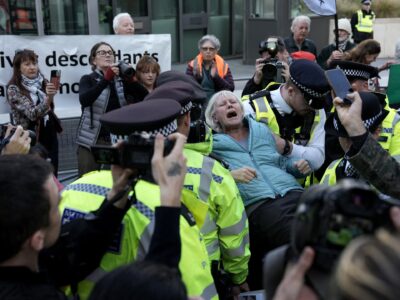
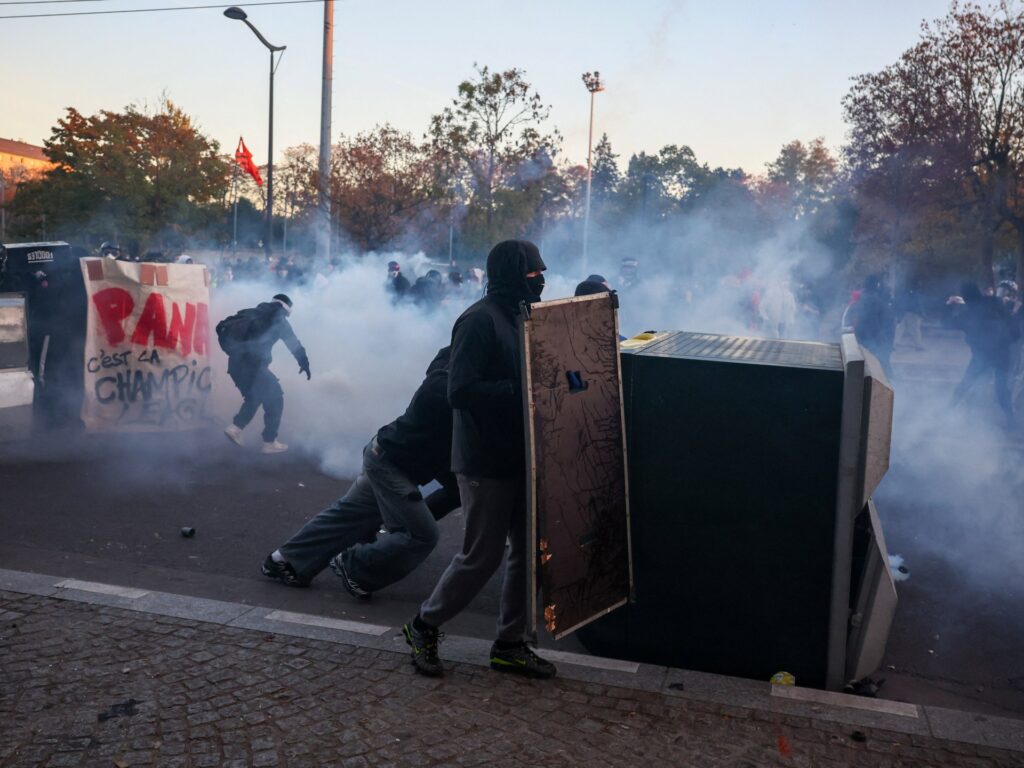
The demonstrations have been marked by a mix of peaceful marches and violent clashes between protesters and police. Despite efforts by law enforcement to contain the situation, confrontations have erupted in several cities, leading to injuries, arrests, and property damage.
Protesters cite soaring prices and economic hardship as key grievances. Inflation and rising expenses on essentials such as food, energy, and housing have heavily impacted families, fueling anger and prompting calls for government intervention. Education has emerged as another critical issue, with participants highlighting inadequate funding, poor school conditions, and the need for reforms to improve the quality of education.
The government’s response has been closely scrutinized, with critics accusing officials of underestimating public discontent and failing to present effective solutions. Efforts to engage with civil society and unions have so far not quelled tensions.
The scale and persistence of the protests signal a significant challenge for French authorities, who must balance maintaining public order with addressing the socio-economic demands of their citizens. Analysts warn that unless meaningful dialogue and policy measures are implemented promptly, France could face further social instability.
As the nation grapples with these issues, the international community watches closely, recognizing the demonstrations as indicative of broader challenges facing democracies amid rising economic pressures. The coming weeks will be crucial in determining whether France can find a path to reconciliation and reform, or if unrest will intensify further.