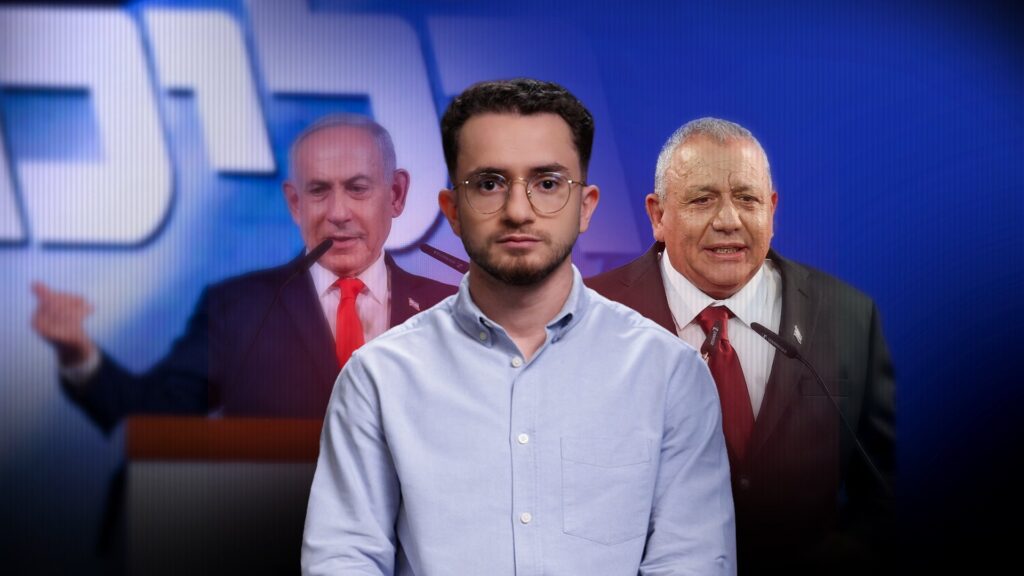
The political landscape in Israel is currently defined by a gripping battle for the formation of the next government. At the heart of this contest are two prominent figures: Benjamin Netanyahu, the seasoned leader and prime minister, and Benny Gantz, former Chief of Staff and leader of the opposition. This struggle is unfolding within the chambers of the Knesset, Israel’s legislative body, where a coalition majority is required to establish a stable government.
After the recent elections, no single party has gained a clear majority, making coalition talks crucial and complex. Netanyahu, representing the Likud party, seeks to consolidate support among right-wing and religious factions. His approach hinges on continuing his long-standing political agenda, including security policies and economic reforms.
Opposing Netanyahu, Benny Gantz, the head of the Blue and White party, is attempting to build a centrist coalition including left-wing and Arab parties, aiming for a more moderate government. Gantz’s strategy focuses on social cohesion, military experience, and a diplomatic approach towards Israel’s neighbors.
The political impasse has led to a series of negotiations that test the limits of political endurance. Key issues in talks include economic priorities, settlements in contested territories, and relations with the international community.
Observers note that a failure to form a government soon could lead to another round of elections, prolonging uncertainty. The Israeli public watches closely as these negotiations not only affect domestic policy but also have significant implications for regional stability and international diplomacy.
As the deadline approaches, both Netanyahu and Gantz are engaging with smaller parties, attempting to secure the decisive votes needed to cross the 61-seat threshold in the 120-member Knesset. The future government’s composition will influence Israel’s direction on security, foreign policy, and internal reforms for the coming years.
In summary, Israel stands at a pivotal moment with its next government hanging in balance, shaped by the strategic decisions of its leading politicians, the alliances they forge, and the broader public interest that underpins the democratic process.