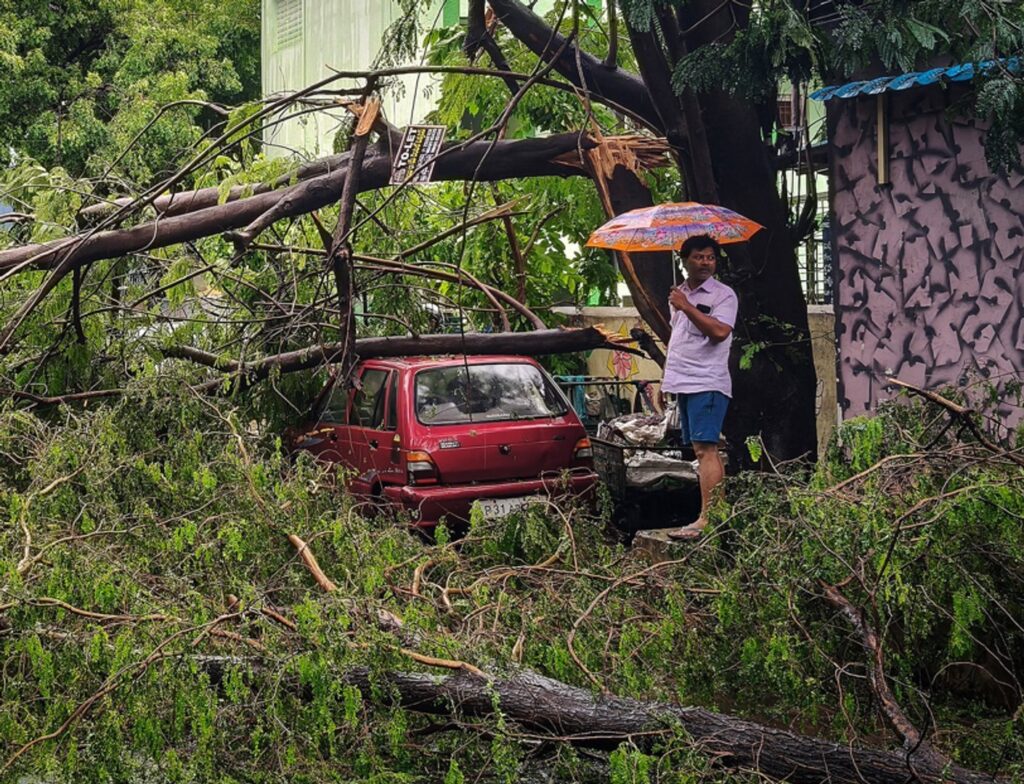
Cyclone Arnab has wreaked havoc along India’s eastern coast, leaving a trail of destruction and forcing thousands to evacuate their homes. The severe cyclone, characterized by intense winds and heavy rainfall, has caused significant damage to infrastructure, homes, and agricultural lands. Authorities across the affected states have been on high alert, mobilizing emergency response teams and setting up relief camps to support displaced residents.
The cyclone made landfall with ferocious strength, causing widespread power outages and uprooting trees, which further disrupted communication and transportation networks. Coastal areas bore the brunt of the storm, with numerous villages and towns experiencing flooding and property damage. The government has issued warnings and advised residents in vulnerable regions to take precautionary measures and evacuate promptly.
Relief operations are underway, with local governments, disaster management agencies, and the armed forces working together to provide food, medical aid, and temporary shelter. Rescue efforts have prioritized reaching stranded individuals and ensuring the safety of those in low-lying and flood-prone areas.
Meteorologists continue to monitor Cyclone Arnab’s trajectory and intensity, warning of potential after-effects such as further flooding and landslides in the coming days. Residents are urged to remain cautious as the region begins the arduous process of recovery and rebuilding amidst ongoing threats.
This cyclone once again highlights the growing vulnerability of coastal India to severe weather events, likely exacerbated by climate change. The Indian government has reiterated its commitment to improving disaster preparedness and infrastructure resilience to mitigate such impacts in the future. Community awareness and cooperation remain critical as authorities navigate the challenges posed by Cyclone Arnab’s aftermath.
With extensive damage reported and thousands forced to flee, the road to recovery for the affected regions will be a significant undertaking. Humanitarian agencies and government bodies continue to coordinate efforts to restore normalcy and support the victims of this devastating natural disaster.