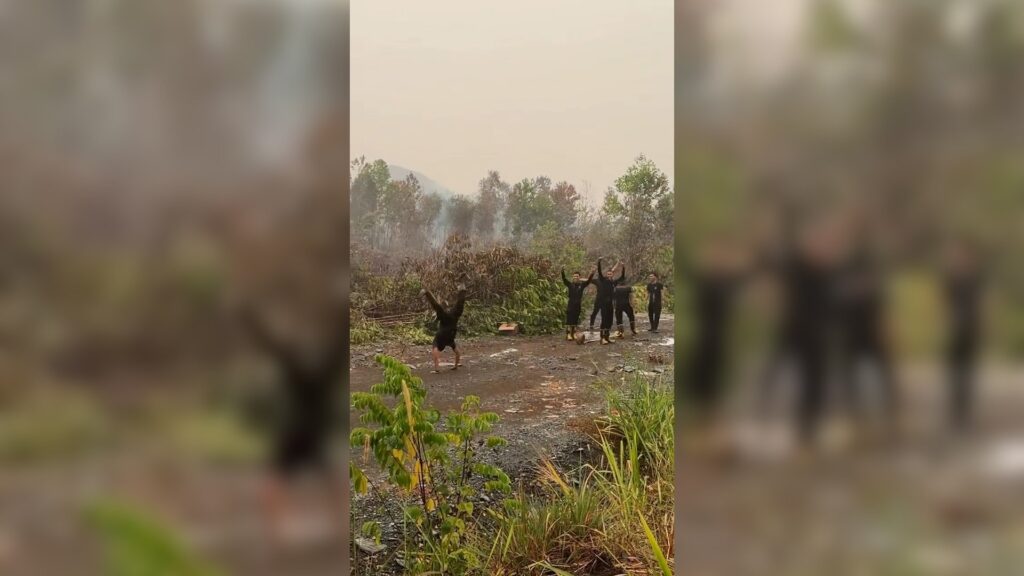
Southeast Asia is currently grappling with widespread wildfires that have resulted in significant toxic haze across the region. Recently, rainfall has provided a welcome but temporary reprieve from the relentless smoke and fires, especially in Indonesia where the wildfires are most severe.
The region has been battling wildfires primarily caused by the burning of peatlands and forested areas. These peat fires are particularly dangerous because they burn underground and can be extremely difficult to extinguish. Even though the rain has helped dampen surface fires and reduced the immediate air pollution levels, the subterranean peat fires persist.
Indonesia’s peatlands, which consist of vast carbon-rich soil deposits, ignite and smolder beneath the ground during dry seasons. These underground fires can continue burning for months, releasing hazardous smoke that obscures the skies and severely impacts air quality.
The toxic haze produced by these fires has spread beyond Indonesia’s borders, affecting neighboring countries such as Malaysia, Singapore, and Thailand. This has led to health warnings and disruptions to daily life, including school closures and reduced visibility for transportation.
Efforts by governments and firefighting teams are ongoing to control and extinguish these fires. However, the task remains challenging due to the depth and persistence of the peat fires, as well as the difficulty in accessing affected regions.
Experts emphasize the need for addressing the root causes of these fires, primarily the slash-and-burn agriculture practices used to clear land for plantations. Sustainable land management and stricter enforcement of environmental regulations are crucial steps toward preventing future fire outbreaks.
Meanwhile, residents of affected areas remain cautious despite the rainfall, as the haze and smoke can return quickly if the fires reignite. The temporary relief brought by the rain serves as a reminder of the urgent need for coordinated regional actions to combat the ongoing environmental crisis.
In conclusion, while the recent rain showers have momentarily eased the smoke and fires plaguing Southeast Asia, the underlying peat fires continue to pose a significant environmental and public health threat that requires sustained attention and action.