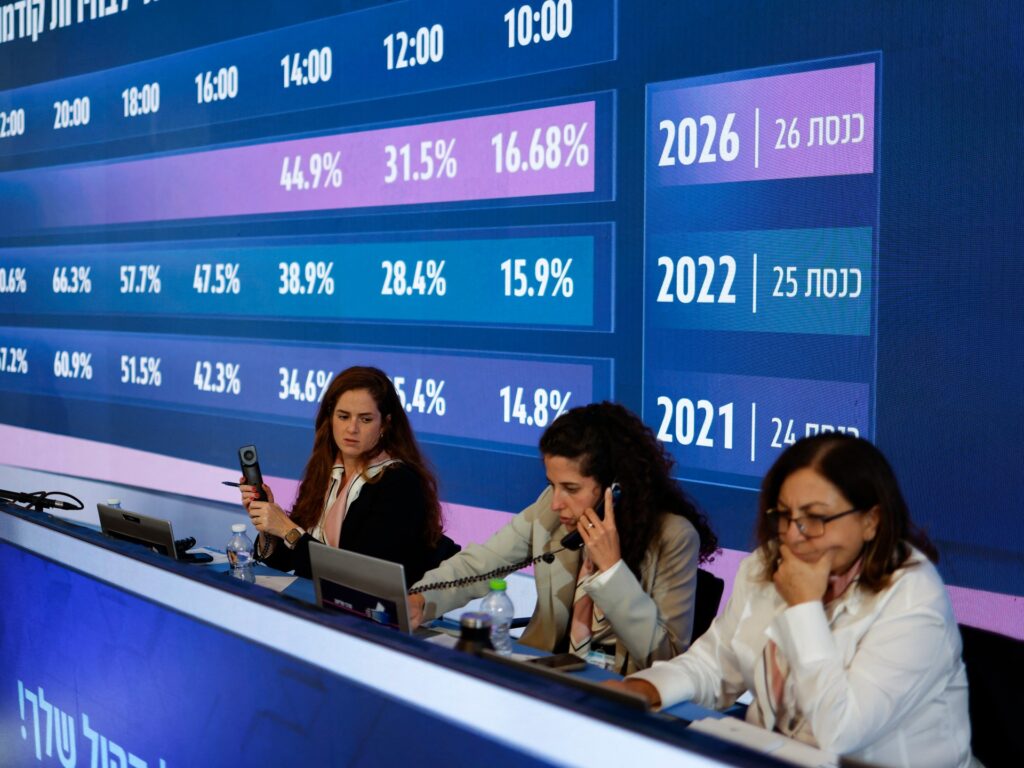
Israel’s latest elections are unfolding as one of the most critical in the nation’s history, characterized by a remarkably high voter turnout and unprecedented political stakes. Early indications from first TV exit polls reveal no clear winner, painting a complex and uncertain political landscape.
The election is widely regarded as the most consequential ever held in Israel, with citizens flocking to the polls in record numbers to make their voices heard. This surge in voter participation underscores the deep divisions and high emotions surrounding pivotal issues facing the country.
Exit polls suggest that no single party has secured an outright majority, signaling potential challenges ahead in government formation. This outcome hints at protracted negotiations and alliances among political factions before a functioning government can be established.
Political analysts emphasize the significance of these results, noting that Israel’s future policy directions hinge on the coalition that emerges. Issues such as security, economy, and relations with neighboring states are at the forefront of voters’ concerns.
The election campaign was marked by intense debate and controversy, reflecting the polarized nature of Israeli society. The electorate’s decision is expected to influence the country’s domestic and international stance for years to come.
As the final votes are counted, all eyes remain on Israel’s political actors to see how they navigate this fractured mandate. The uncertainty presents both challenges and opportunities for leadership to address national complexities and global expectations.
This live update continues to track developments as parties react to the exit poll data and begin critical discussions on potential coalition plans. Citizens and observers alike await further clarity on how this landmark election will ultimately reshape Israel’s political landscape.