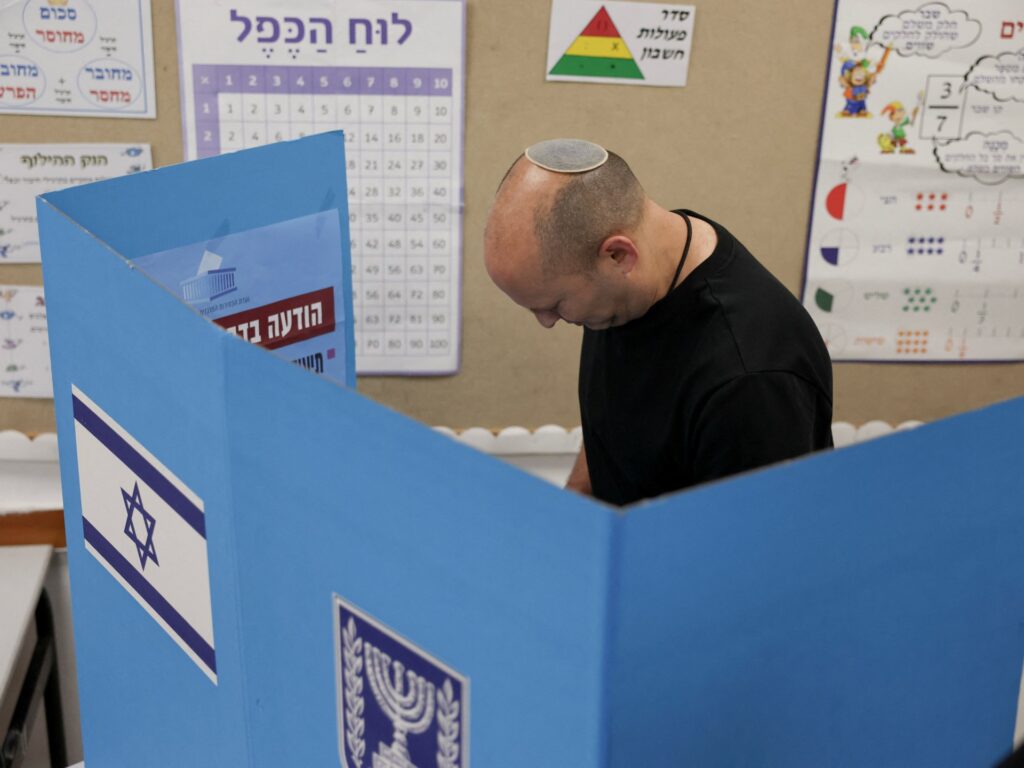
As the Israel election results for 2026 are eagerly awaited, the voting concludes late on Tuesday night. Exit polls, which offer an early snapshot of the likely outcomes, are expected to be released shortly after voting ends. These exit polls provide preliminary insights and can give the public an initial understanding of which parties or candidates are leading.
However, the final determination of who has won the election may take several days. This delay is due to the complex nature of vote counting, the potential for close races, and the need to confirm the accuracy and legitimacy of all ballots. The official results undergo thorough verification processes, including the counting of absentee, overseas, and provisional ballots, all of which can extend the timeline before a definitive outcome is announced.
Once the results are finalized, the next step in the Israeli political process typically involves coalition negotiations. Given Israel’s multi-party system, it is rare for a single party to secure an outright majority in the Knesset (parliament). Therefore, the leading parties must engage in coalition talks to form a government, which includes agreeing on a policy platform and dividing ministerial positions.
These negotiations can be complicated and time-consuming, with political alliances shifting as parties seek the best possible terms. The president of Israel usually plays a role in formally designating a party leader, often the one with the most seats, to try to assemble a coalition government.
The stability and policy direction of the new government depend heavily on these post-election negotiations. The process may also lead to unforeseen political compromises or new strategic alliances, influencing the country’s future on both domestic and international fronts.
For citizens and observers, the key dates to watch in the coming days are the announcement of the final official results, the beginning of coalition formation talks, and the eventual swearing-in of the new government. Until then, the political landscape in Israel remains dynamic and uncertain, reflecting the vibrant democracy in action.
In summary, while exit polls will soon provide an initial indication of the election outcomes, the definitive results and the formation of the next government will unfold over the following days, shaping the political trajectory of Israel for the coming years.