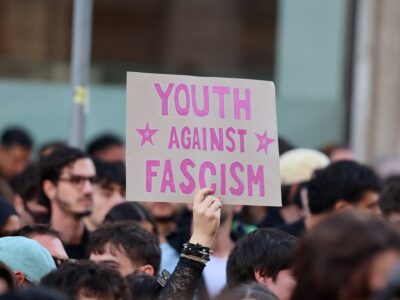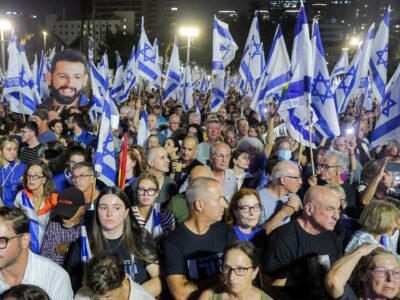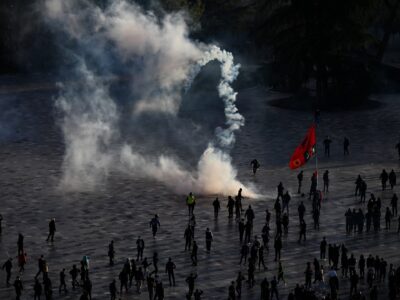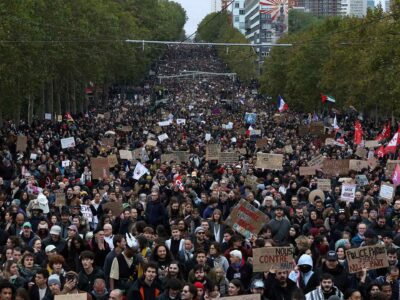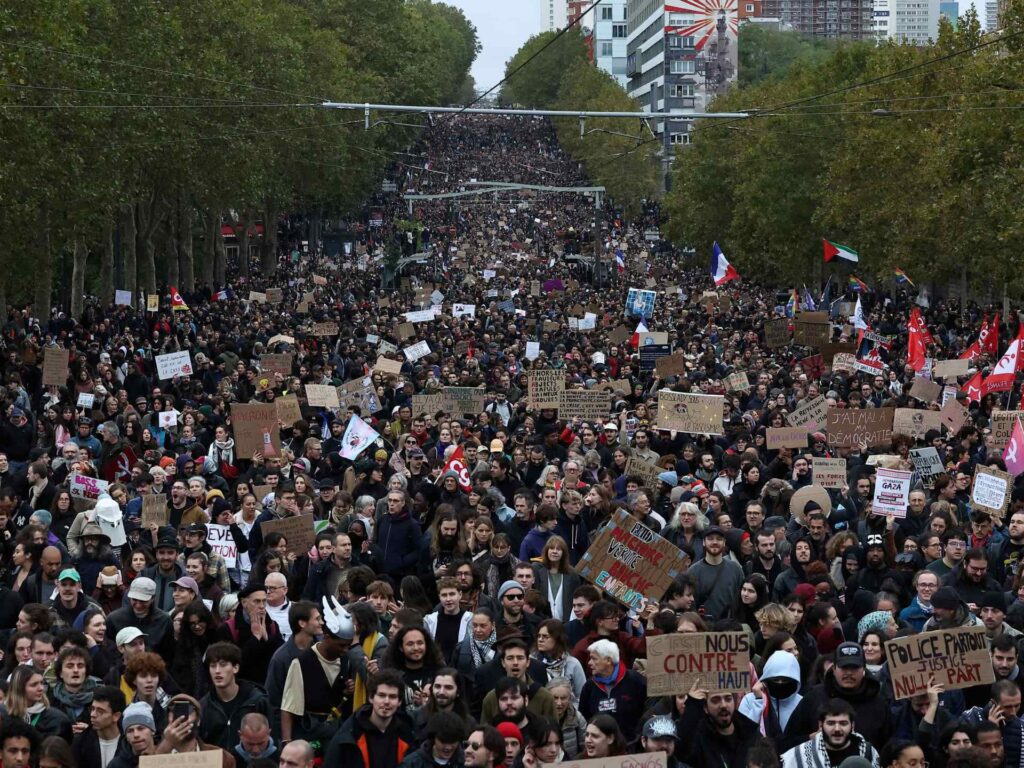
The streets of Paris have been the epicenter of substantial public unrest over the past weekend, as thousands of demonstrators gathered once again demanding change and expressing their grievances. This marks the second consecutive weekend of significant protests, highlighting ongoing tensions within the city and the broader region.
The large-scale protests have drawn citizens from various walks of life, unified in their determination to make their voices heard regarding multiple social, economic, and political issues. The exact triggers for this wave of demonstrations vary, but central themes include demands for justice, opposition to government policies, and calls for greater equality and reforms.
Authorities in Paris have responded with increased measures, aiming to maintain order amid the swelling crowds. There has been a notable clampdown on disorder, with law enforcement agencies deploying more personnel and resources to manage the situation. Officials emphasize the importance of public safety and the need to prevent any escalation of violence or disruption.
Despite the authorities’ efforts, the protests have remained largely resilient and sustained, underlining the depth of public sentiment driving the mobilization. Demonstrators have marched through significant parts of the city, calling for meaningful dialogue and changes from government leaders.
The city has seen a mixture of peaceful rallies and moments of tension. Law enforcement agencies have faced challenges in balancing enforcement with respecting citizens’ rights to peaceful assembly and freedom of expression.
Local businesses and residents have felt the impact of the protests as certain areas experienced disruptions, though many have also expressed solidarity with the demonstrators’ cause. The ongoing unrest has prompted broader discussions about the root causes of dissatisfaction and potential pathways to reconciliation.
Political analysts are closely monitoring the situation in Paris, as the outcomes of these protests could influence future policy decisions and electoral dynamics. The government is under pressure to engage with communities and address the underlying issues fueling the unrest.
As the demonstrations continue into the weekend, there is an urgent call from various sectors for peaceful resolutions and constructive conversations to address the demonstrators’ concerns. Both city officials and protest leaders are urged to find common ground to restore calm while respecting democratic principles.
In summary, the second weekend of protests in Paris represents both the strength of public conviction and the complexity of governance in times of social upheaval. The city remains a focal point for nationwide debates on justice, governance, and the future direction of public policy. As thousands continue to march and voice their demands, the situation remains dynamic, reflecting the ongoing struggle and hope for meaningful change.