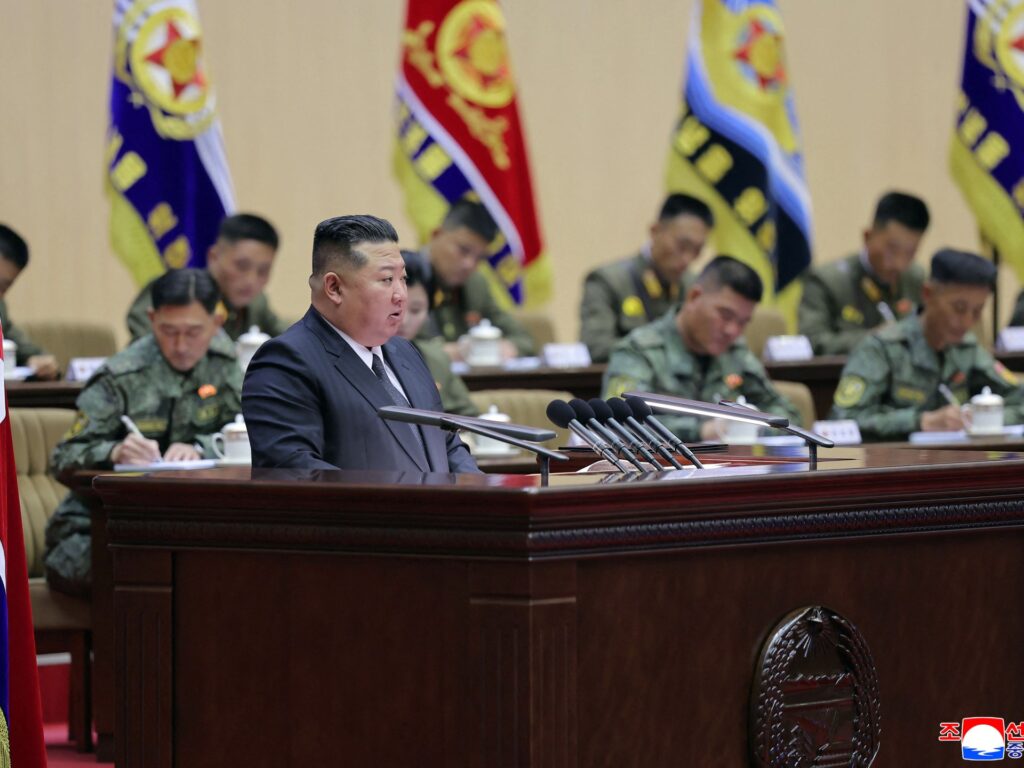
North Korea’s leader Kim Jong Un has arrived in China, marking a significant moment in the diplomatic relations between the two countries. According to South Korean media reports, this visit comes just about a week after the official opening of a major new bridge that links North Korea and China, further symbolizing the strengthening ties between the two nations.
The timing of Kim’s visit is seen as a strategic move to reinforce the relationship with China, North Korea’s most important ally and economic partner. The new bridge, which was recently inaugurated, not only facilitates easier transportation and trade but also serves as a physical testament to the growing collaboration between Pyongyang and Beijing.
Historically, China has been crucial to North Korea’s economic survival, providing vital trade channels and diplomatic support in international affairs. This visit by Kim Jong Un could be aimed at reaffirming those ties amidst ongoing global geopolitical challenges and sanctions.
The new bridge is expected to boost cross-border commerce and ease logistics, allowing for smoother movement of goods and people. It also symbolizes the intent of both countries to improve infrastructure connectivity and economic cooperation.
Diplomatic experts suggest that Kim’s visit might also include discussions on security issues, economic assistance, and regional stability, reflecting North Korea’s broader foreign policy goals. Given the sensitive nature of northeastern Asia’s geopolitical landscape, such high-level visits are closely watched by international observers.
The South Korean media highlighted the significance of this visit as it comes at a time when diplomatic channels between Pyongyang and Seoul have faced numerous challenges. Strengthened ties between North Korea and China could influence regional dynamics, including the ongoing peace process on the Korean Peninsula.
While official details about the agenda of Kim Jong Un’s visit remain limited, analysts expect that this trip will reaffirm the longstanding partnership between North Korea and China. It may incorporate talks on economic collaboration, infrastructure projects, and mutual support against common international pressures.
This diplomatic engagement underscores China’s continuing role as a key mediator in Northeast Asian affairs and its influence over North Korea. The new bridge and Kim’s subsequent visit represent more than infrastructure development; they highlight a strategic alignment and mutual intent to enhance bilateral ties.
In conclusion, Kim Jong Un’s arrival in China soon after the opening of the new cross-border bridge marks a significant chapter in the evolving relationship between the two countries. As Pyongyang and Beijing strengthen their partnership, the world watches keenly to see how these developments will impact regional peace, security, and economic cooperation.