France is on the brink of another significant day of mass protests as security forces remain on high alert across the country. Several major cities, including Paris, Lyon, and Marseille, are expected to witness large-scale demonstrations, despite the government’s efforts to curb the gatherings by banning several planned marches.
The authorities have invoked bans on numerous protests, citing concerns for public safety and the prevention of violence and property damage. These bans have sparked a fierce backlash from human rights organizations, civil liberties groups, and activists who argue that these measures infringe upon citizens’ fundamental rights to assembly and free expression.
The backdrop to these tensions includes recent social and economic grievances, with protesters demanding measures addressing issues such as labor rights, economic inequality, pension reforms, and public services. The current climate reflects ongoing dissatisfaction with government policies perceived by many as favoring the elite over ordinary citizens.
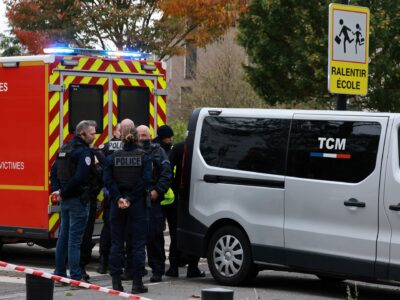
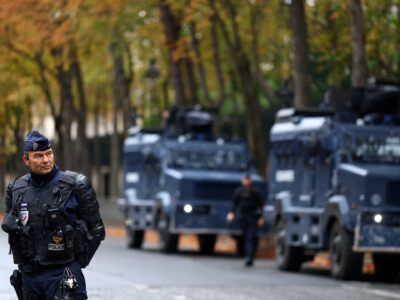
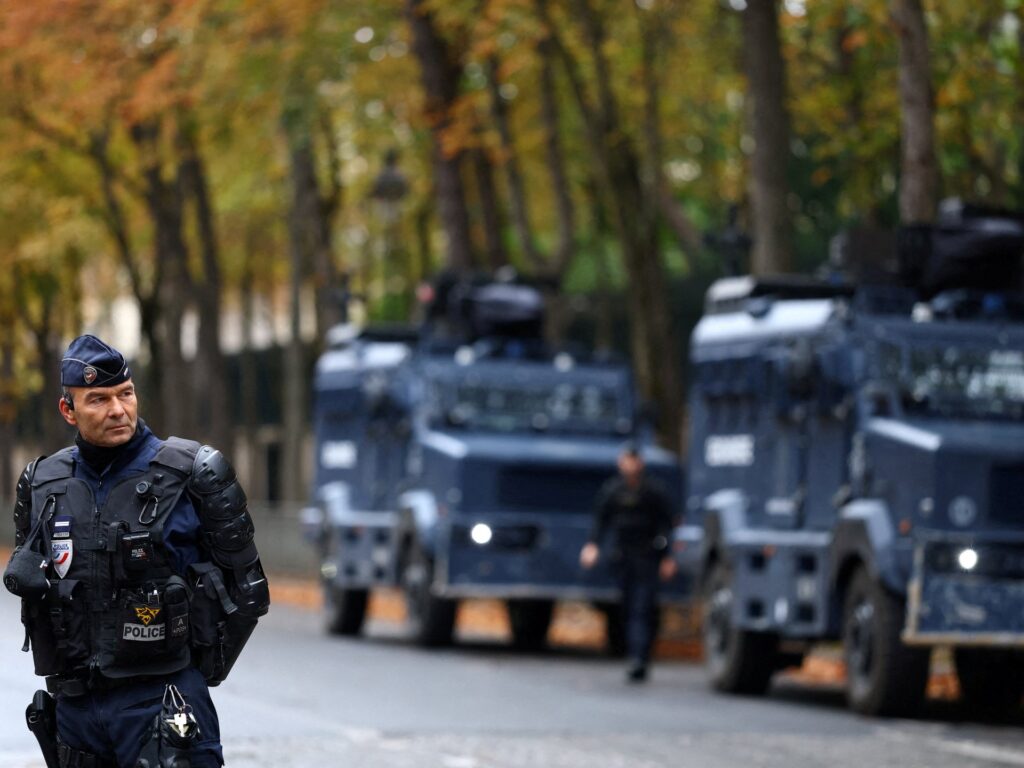
Security forces, including police and gendarmes, have been deployed in large numbers in key urban areas with strict orders to prevent unauthorized demonstrations. Authorities have warned that they will use force if necessary to maintain order, although they emphasize a preference for peaceful resolution.
The banning of marches has been criticized by various human rights bodies, including the French Human Rights Defender and international organizations like Amnesty International. These groups have called on the government to respect democratic rights and to engage in dialogue with protest organizers rather than imposing blanket bans.
On the ground, tensions have been palpable. In some cities, smaller gatherings have proceeded despite bans, leading to clashes between demonstrators and police. There have been reports of arrests and some instances of property damage, underscoring the volatile situation.
Government officials defend their stance, stating that the bans are necessary to prevent the escalation of violence witnessed during previous protest waves. They argue that public safety and the protection of property are paramount, and that the right to protest must be balanced with societal order.
Economic analysts warn that prolonged unrest could have broader implications for France’s economy, potentially affecting tourism, business operations, and investor confidence. The government is therefore under pressure to find a solution that addresses both security concerns and the underlying social grievances.
Observers note that the current unrest is part of a broader pattern of social activism in France, where public demonstrations are a deeply ingrained method of political expression. The situation presents a complex challenge for lawmakers, law enforcement, and civil society alike.
As France braces for another day of protests, all eyes remain on how the government will manage the balance between upholding public order and respecting democratic freedoms. The outcome of this standoff could have lasting implications for social cohesion and governance in the country.