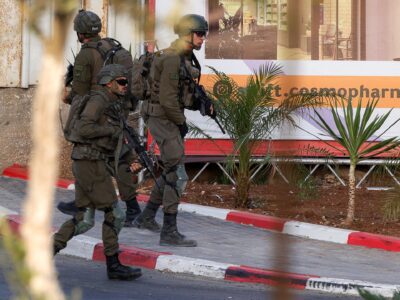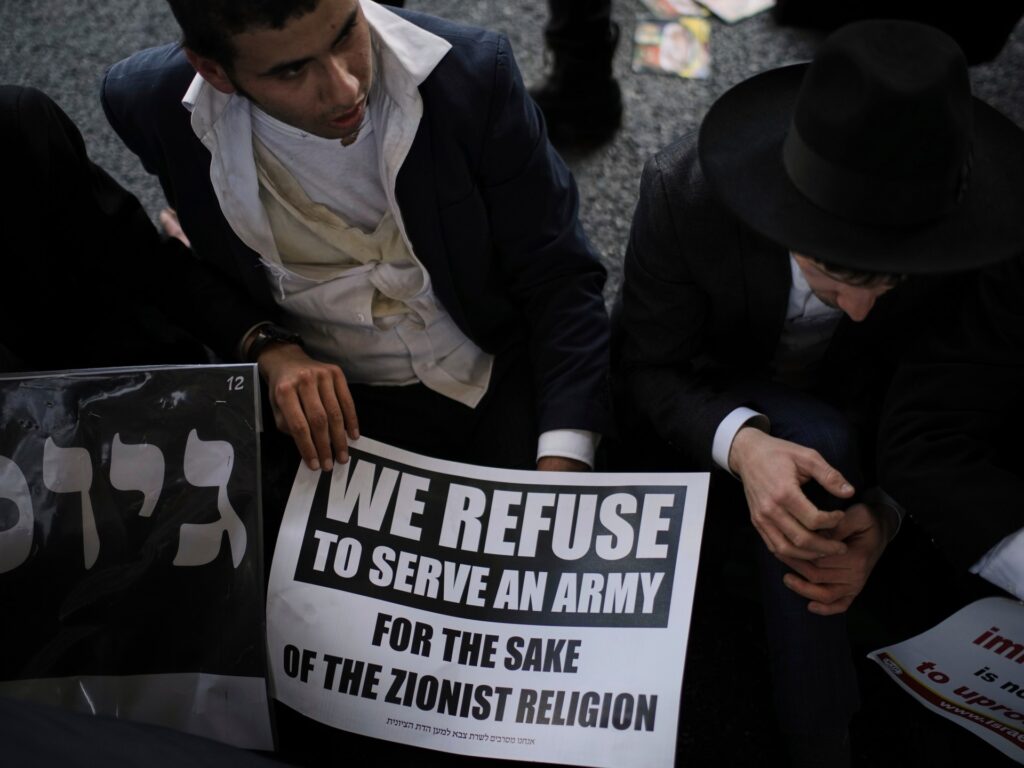
The debate over ultra-Orthodox conscription into the Israeli military has emerged as a central issue fueling the intensity of the current election campaign in Israel. This contentious topic reflects deep-seated societal and political divides that run across various sectors of Israeli society.
For decades, ultra-Orthodox Jewish communities were largely exempt from compulsory military service, a status that has increasingly come under scrutiny and challenge. Critics argue that this exemption undermines equality and national unity, while supporters maintain it respects religious commitments and traditions.
Political parties have sharply divided on this issue, making it a litmus test for electoral support. Right-wing factions often advocate for maintaining or even expanding exemptions, aiming to preserve traditional religious values. In contrast, centrist and left-wing parties push for broader conscription, emphasizing fairness and integration into national service.
The debate is not merely about military service; it encapsulates broader questions about the role of religion in the state, societal cohesion, and individual obligations versus communal rights. Ultra-Orthodox parties leverage their political influence to protect exemptions, often acting as kingmakers in coalition governments.
Public opinion polls indicate that this issue significantly influences voter behavior, especially among younger Israelis who see universal service as a rite of passage and a symbol of citizenship.
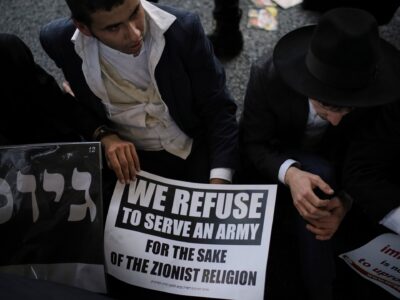
The political drama surrounding ultra-Orthodox conscription has led to heated campaign rhetoric, public protests, and heated parliamentary debates. Election outcomes may well hinge upon how parties navigate this sensitive subject and address the concerns of both religious communities and secular populations.
Ultimately, the ultra-Orthodox conscription debate highlights the complex tapestry of Israeli society, where questions of identity, religion, and citizenship continually intersect and challenge the nation’s political landscape.