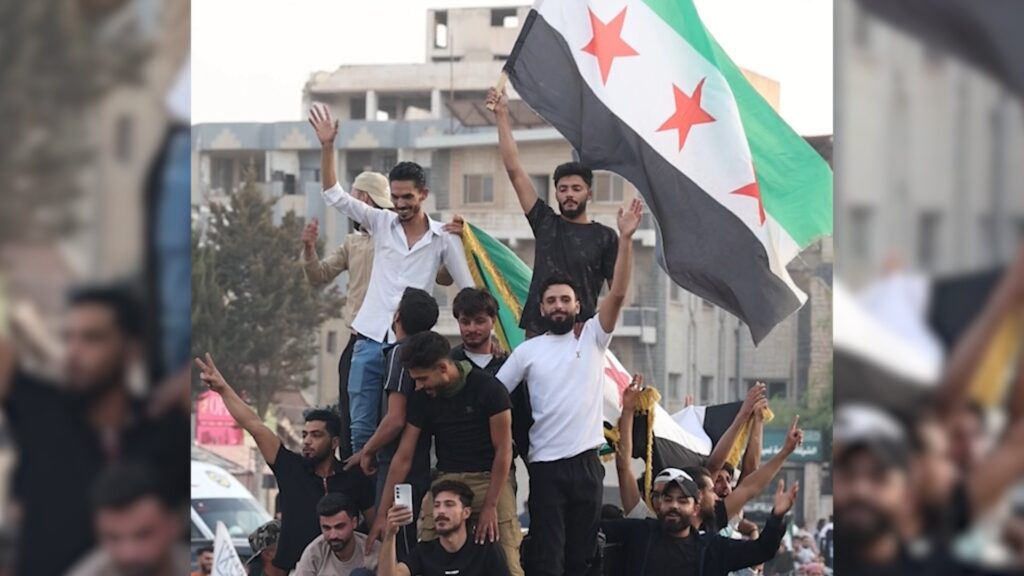
In recent developments, Syrians have taken to the streets to protest against Israel’s incursions near the occupied Golan Heights. The Golan Heights, a region of strategic and symbolic importance, has been under Israeli occupation since 1967, following the Six-Day War. This area, claimed by Syria as its sovereign territory, continues to be a flashpoint for tensions and conflict in the region.
Protesters in various parts of southern Syria have expressed their dissent against the presence of Israeli forces and the ongoing military operations conducted by Israel near this contested area. The demonstrations reflect deep-rooted anger and resistance to what is widely seen by Syrians as an illegal occupation violating their national sovereignty.
The occupied Golan Heights holds significant geopolitical value due to its elevated terrain, which offers military advantage and control over vital water resources in the region. Israel’s control over the territory has been met with international condemnation, with the United Nations repeatedly affirming Syria’s sovereignty over the Golan Heights.
Despite multiple calls for peaceful resolution, the situation remains volatile. The protests signify growing public frustration in Syria, fueled by the broader conflict and political instability within the country. Residents of the affected areas have reported increased military presence and frequent incursions by Israeli forces, heightening insecurity and disrupting daily life.
The Syrian government has condemned the incursions, labeling them as violations of international law and threats to regional stability. Syrian officials have called on the international community to intervene and support efforts to end the occupation. Meanwhile, Israel maintains that its actions are necessary for security purposes, citing threats from militant groups operating in Syria.
The ongoing conflict in Syria, coupled with the Israeli occupation of the Golan Heights, complicates peace efforts in the Middle East. The protesters’ messages emphasize the importance of restoring Syria’s territorial integrity and ending foreign interventions.
As protests continue, there is widespread hope among Syrians for a diplomatic solution that respects their sovereignty and ensures lasting peace in the region. The international community’s role remains crucial in addressing these tensions and finding a path forward that safeguards the rights and security of all involved parties.
This wave of protests highlights the enduring impact of the Golan Heights dispute and the broader struggle for justice and peace in the Middle East. Syrians remain vigilant and vocal in their opposition to occupation, underscoring their determination to reclaim their land and assert their national identity.