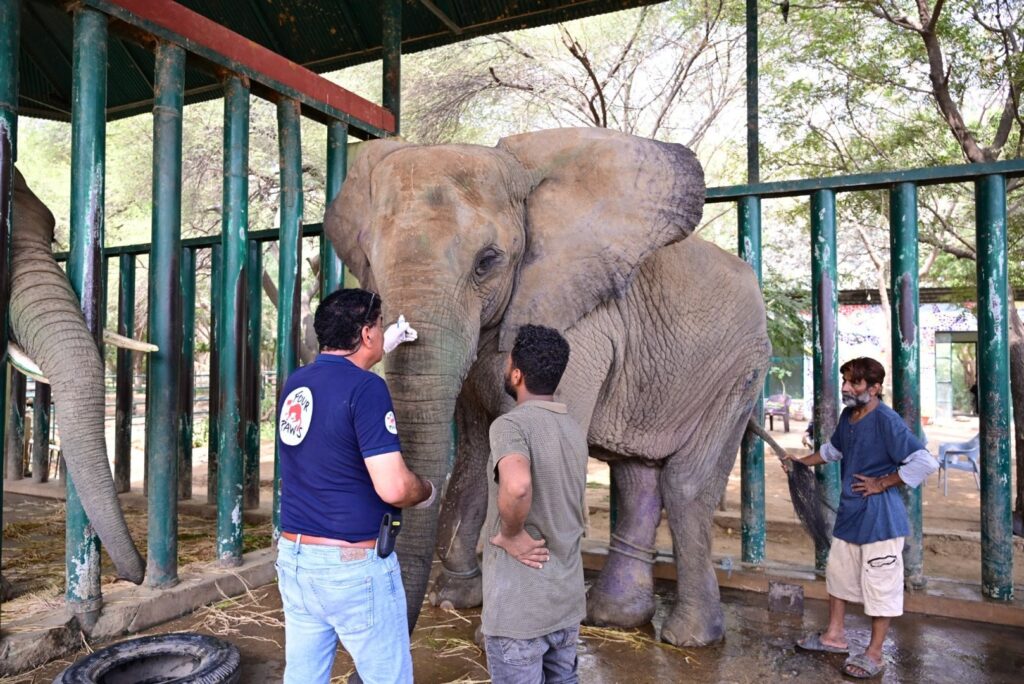
In a somber situation unfolding in Pakistan, two of the four African elephants brought into the country in 2009 have already died, leaving only two others in captivity. The wellbeing of the surviving elephants has become a pressing concern as reports reveal they are currently ill, raising serious questions about their care and living conditions.
The arrival of the four African elephants over a decade ago was initially seen as a symbol of goodwill and conservation efforts, but the subsequent deaths and health decline of the remaining elephants paint a grim picture. Conservationists and animal welfare groups are now calling for urgent intervention to prevent further loss and to improve the conditions under which these majestic creatures are kept.
These elephants, originally brought to Pakistan for conservation and educational purposes, now face significant risk due to a combination of environmental factors, inadequate veterinary care, and possibly inappropriate enclosure facilities. Experts emphasize that African elephants, being highly intelligent and social animals, require extensive space and proper nutrition, provisions that may be lacking in their current environment.
Local authorities and wildlife organizations are under pressure to reassess and upgrade the care standards for these animals. There’s a growing campaign urging the Pakistani government to seek international assistance for the elephants’ health and habitat needs, including partnerships with conservation groups globally.
Furthermore, the plight of these elephants has sparked a wider conversation about the ethics of keeping such large wild animals in captivity under suboptimal conditions. Advocates argue for rehoming options or, if feasible, repatriation programs that would return the elephants to more suitable natural habitats.
Public awareness about the situation is increasing, with many calling on the international community to monitor and support efforts aimed at securing the elephants’ survival. The tragedy of losing two elephants is a stark reminder of the challenges faced in wildlife preservation, especially in regions where resources and expertise for exotic animal care might be limited.
In conclusion, Pakistan stands at a critical juncture where decisive action is necessary to save its remaining captive African elephants. Ensuring their health and dignified treatment will require collaboration, adequate funding, and adherence to global standards for wildlife care. The coming months will be crucial in determining the fate of these last two elephants, emblematic of broader conservation challenges worldwide.