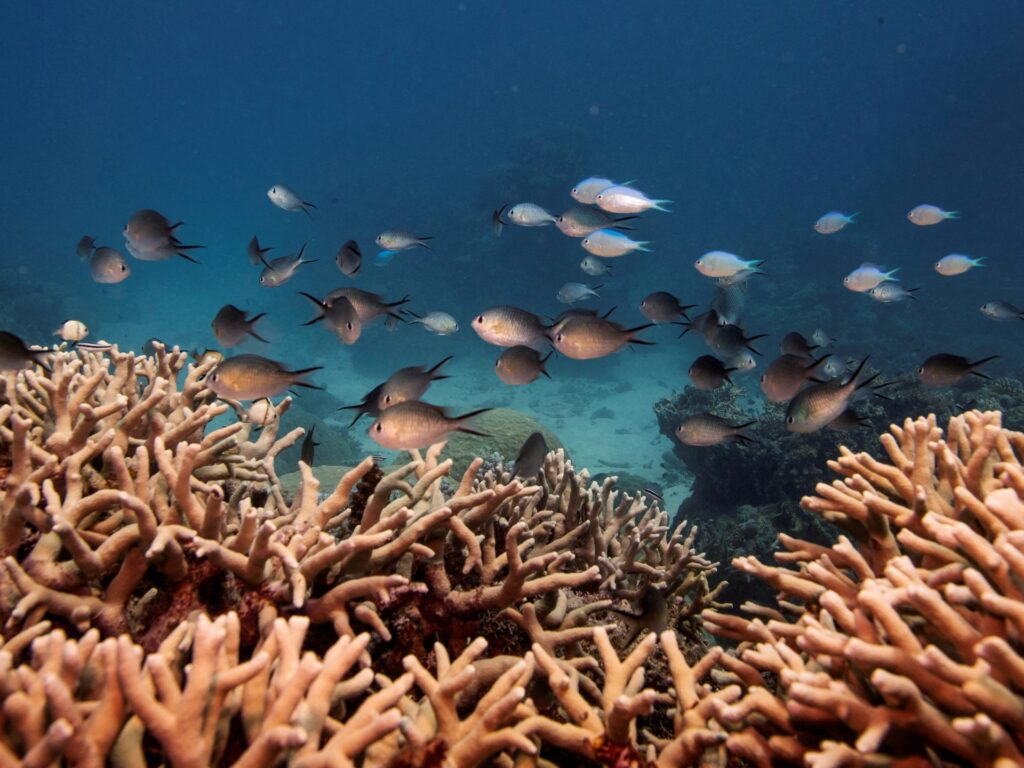
A recent comprehensive study conducted by the world’s leading wildlife authority has sounded a dire warning about the fate of shallow-water coral reefs globally. The research indicates that nearly all shallow-water coral reef systems are now classified as “critically endangered,” highlighting a stark and urgent conservation crisis. According to the findings, an alarming 96 percent of assessed coral reef systems fall into the category of critically endangered. This assessment underscores the severe threats that these vital ecosystems face, including climate change, ocean acidification, pollution, overfishing, and destructive human activities. Coral reefs are known as the rainforests of the sea, supporting an extraordinary diversity of marine life and providing essential services such as coastal protection, fisheries support, and tourism income. Their degradation poses a significant risk not only to marine biodiversity but also to human communities reliant on their health and sustainability. Climate change remains the most significant driver of coral reef decline, elevating sea temperatures and causing widespread coral bleaching events that inhibit recovery. The increased acidity of oceans impairs coral growth and structural integrity, further weakening reef resilience. Meanwhile, local factors like coastal development, runoff, and overexploitation exacerbate these stresses. Experts emphasize that the near-extinction status of 96 percent of these ecosystems mandates immediate and coordinated global action to halt and reverse the damage. This includes urgent emissions reductions, establishment of marine protected areas, sustainable fisheries management, and investment in coral restoration technologies. Scientists warn that without accelerated intervention efforts, the loss of shallow-water coral reefs could occur within decades, with profound ecological and socioeconomic repercussions. The study’s findings serve as a crucial call to governments, conservation groups, and the public to prioritize coral reef protection and integrate reef health into broader environmental and climate policies. In summary, the critical endangerment of nearly all shallow-water coral reefs represents one of the most pressing environmental challenges of our time, demanding swift global collaboration and innovative solutions to secure their future for generations to come.