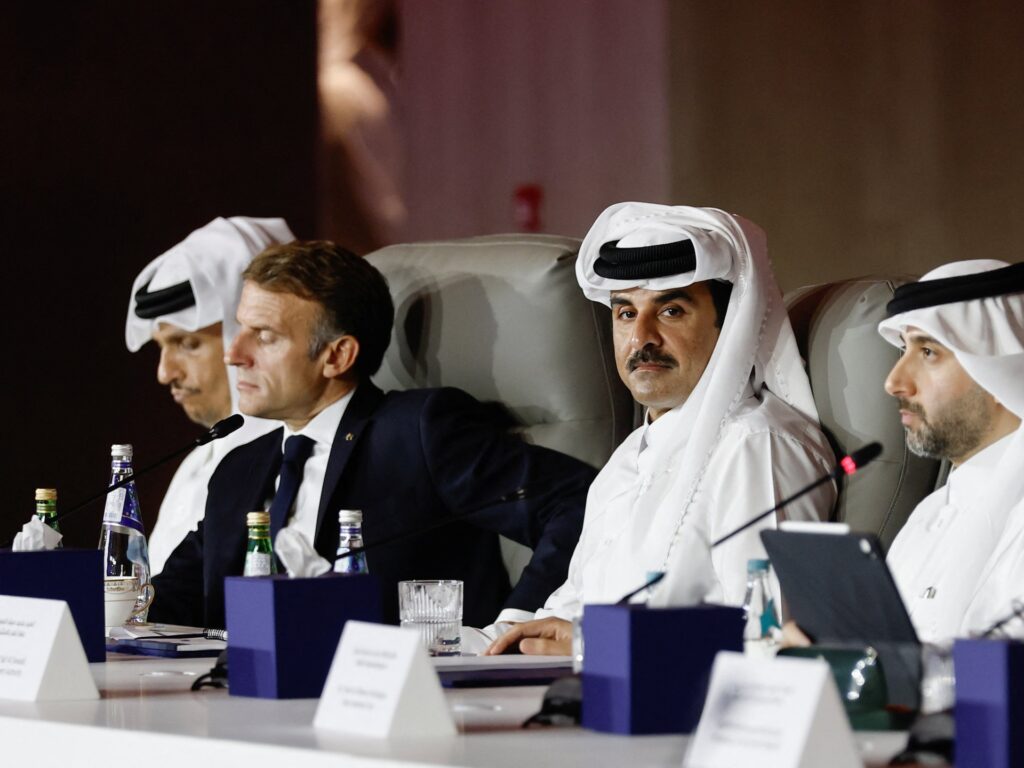
In a significant diplomatic call to action, leaders from Qatar and France have jointly emphasized the urgent need to reopen the Strait of Hormuz and to implement a ceasefire in Gaza, addressing two critical issues that carry both regional and global implications.
The Strait of Hormuz, a vital international maritime route through which a significant portion of the world’s petroleum passes, has been subject to increasing tensions and restrictions. Both Qatari and French leadership have underscored the importance of restoring freedom of navigation in this strategic chokepoint to ensure uninterrupted global energy supplies and maintain stability in the broader Middle East region.
Qatar, leveraging its position as a key diplomatic player in the Gulf, alongside France, a major European power with vested interests in Middle Eastern peace and security, are advocating for cooperative international efforts to secure this critical waterway.
Simultaneously, the leaders highlighted the pressing humanitarian and security situation in Gaza, urging all parties involved to honor and implement an immediate ceasefire. The call for ceasefire reflects growing international concern over escalating violence that has resulted in significant civilian casualties and deteriorating living conditions.
This joint statement demonstrates Qatar and France’s commitment to fostering peace and stability through dialogue and concerted diplomatic initiatives. By addressing these intertwined issues – maritime security and conflict resolution – the two countries aim to promote a safer maritime environment and a more peaceful regional order.
Experts assert that reopening the Strait of Hormuz would alleviate risks to global oil markets, reduce potential for conflict escalation, and support economic stability worldwide. Meanwhile, enforcing a ceasefire in Gaza is seen as critical for humanitarian relief efforts and for setting the stage for longer-term political negotiations.
The international community is watching closely as Qatar and France lead renewed calls to action, hoping their combined diplomatic influence will catalyze positive outcomes in these complex arenas. The next steps will likely involve multilateral discussions involving regional stakeholders and global powers, aimed at ensuring sustained peace and security in these pivotal areas.
In conclusion, the Qatari and French leaders’ joint appeal represents a timely and important initiative to safeguard navigation rights and promote peace, with significant consequences for regional and international security frameworks.