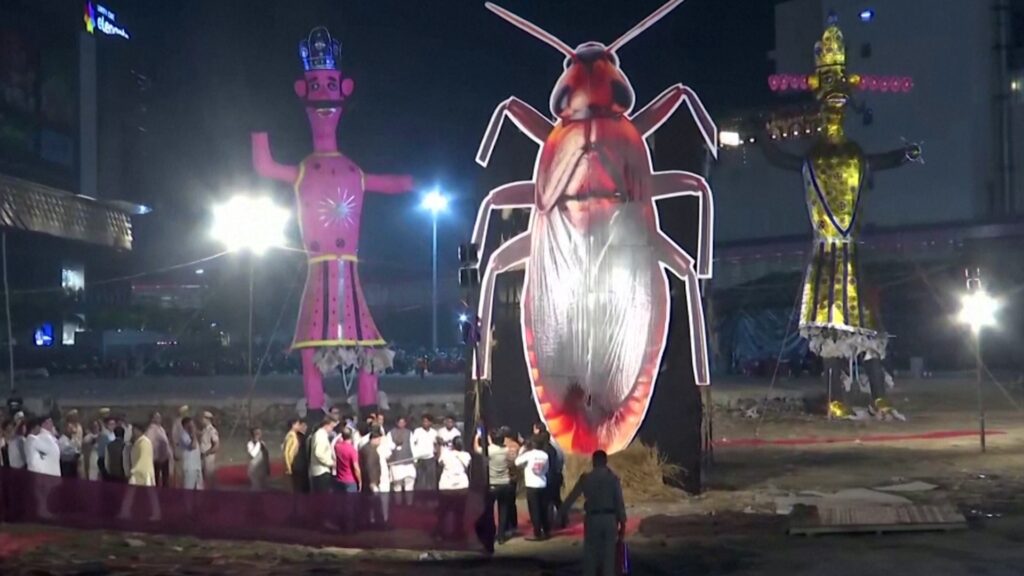
In a provocative act that has stirred controversy, a prominent pro-Modi leader recently burned an effigy of a cockroach as a means to taunt youth protesters. This incident took place during a public gathering where tensions between supporters of Prime Minister Narendra Modi and youth-led opposition groups were already palpable.
The leader’s action was seen as a deliberate attempt to mock and intimidate the young protesters who have been vocal in their dissent against certain government policies. Effigy-burning is a common form of political expression in India, often used to convey strong disapproval. However, using a cockroach effigy has added a layer of insult and dehumanization that has drawn criticism from various quarters.
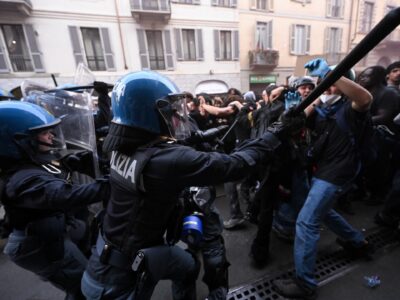
Youth protesters have been actively engaged in campaigns addressing issues such as unemployment, educational reforms, and alleged governmental authoritarianism. Their demonstrations have seen massive participation, signaling widespread unrest among the younger demographics.
Critics argue that the pro-Modi leader’s act exacerbates divisions within society and undermines the democratic right to peaceful protest. They contend that rather than fostering dialogue, such actions provoke hostility and deepen the political rift.
Supporters of the leader claim that the act was a symbolic condemnation of what they describe as the destructive and disruptive behavior of the protestors. They insist that the gesture was not aimed at individuals but at an ideology perceived to destabilize the social order.
The incident has sparked a debate on the limits of political expression and the responsibilities of public figures in maintaining decorum. While political rivalry is expected in democratic setups, the use of dehumanizing symbols raises concerns about escalating animosity and potential violence.
Experts suggest that political discourse should focus on constructive engagement and respect for differing views rather than resorting to inflammatory actions. They stress the importance of addressing grievances through dialogue to uphold democratic values.
The youth protesters have condemned the effigy-burning, calling it an act of provocation and a reflection of the intolerance faced by dissenting voices in the current political climate. They have vowed to continue their activism peacefully, emphasizing the need for a more inclusive and understanding society.
As the situation unfolds, observers are watching closely to see how both the government and opposition groups navigate this charged environment. The incident serves as a reminder of the volatile nature of political expression and the ongoing challenges in balancing free speech with mutual respect in India’s vibrant democracy.