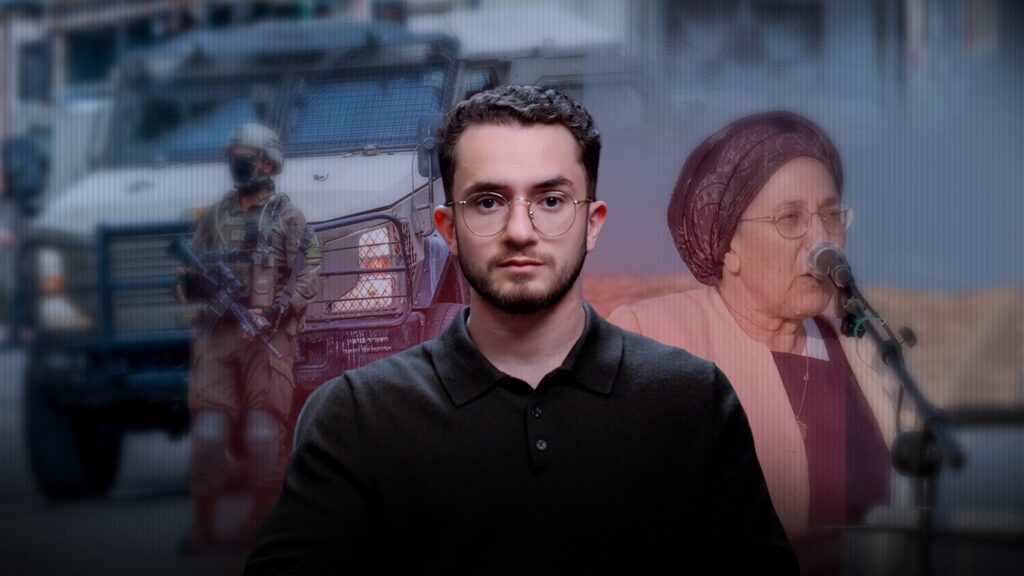
In a recent development that has stirred considerable debate and tension, an Israeli government minister has publicly called for the settlement of the entire West Bank. This statement comes amid ongoing conflicts and rising tensions in the region. The West Bank has long been a focal point of Israeli-Palestinian disputes, with issues surrounding land ownership, sovereignty, and security at the heart of the matter.
Israeli forces have intensified their operations in the West Bank, including raids on Palestinian homes. These raids reportedly convert residential properties into interrogation centers, raising significant human rights concerns and drawing criticism from international observers and human rights organizations. Such actions contribute to the growing unease and instability in the occupied territories.
The minister’s call to settle the entire West Bank is seen by many as a hardline stance that could further complicate peace efforts. Settlements in the West Bank have been a contentious issue for decades, with international law and numerous United Nations resolutions addressing their legality and impact on the peace process.
Palestinian communities in the West Bank face increasing challenges as the Israeli military’s presence and settlement activities expand. Residents often experience disruptions to their daily lives, including restrictions on movement, property demolitions, and now, the use of their homes as interrogation centers. This situation exacerbates the humanitarian situation and heightens tensions between Israelis and Palestinians.
The international community remains divided on how to address the Israeli-Palestinian conflict, with some advocating for renewed peace talks and others condemning unilateral actions that may undermine the prospects for a two-state solution. Calls for restraint and adherence to international law continue to be voiced by various nations and global organizations.
The Israeli minister’s proposal to settle the entire West Bank signals a significant policy position that could reshape the future of Israeli-Palestinian relations. It underscores the complexities of achieving a peaceful resolution in a region marked by decades of conflict, competing national narratives, and deep-seated mistrust.
As Israeli forces continue their operations and settlement activities expand, the situation on the ground remains volatile. Both sides face mounting pressures, with Palestinian residents enduring increasing hardships and Israeli settlers advancing into contested areas.
The ongoing raids and the transformation of homes into interrogation centers add another layer of complexity to an already fragile situation. These actions not only impact the individuals directly involved but also strain the broader efforts towards peace and stability.
This convergence of political declarations and military actions underscores the urgency for renewed dialogue and comprehensive strategies that address the core issues at stake. Without such efforts, the cycle of tension and violence is likely to persist, with severe consequences for both Israelis and Palestinians.
The coming weeks and months will be critical in determining the trajectory of this conflict. Observers and stakeholders will be watching closely to see if the calls for full West Bank settlement gain traction and how the international community responds to the escalating situation.
In conclusion, the Israeli minister’s call for settling the entire West Bank, alongside the intensified military raids converting Palestinian homes into interrogation centers, marks a significant and controversial chapter in the ongoing Israeli-Palestinian conflict. It highlights the urgent need for renewed efforts towards a lasting and just peace in the region.