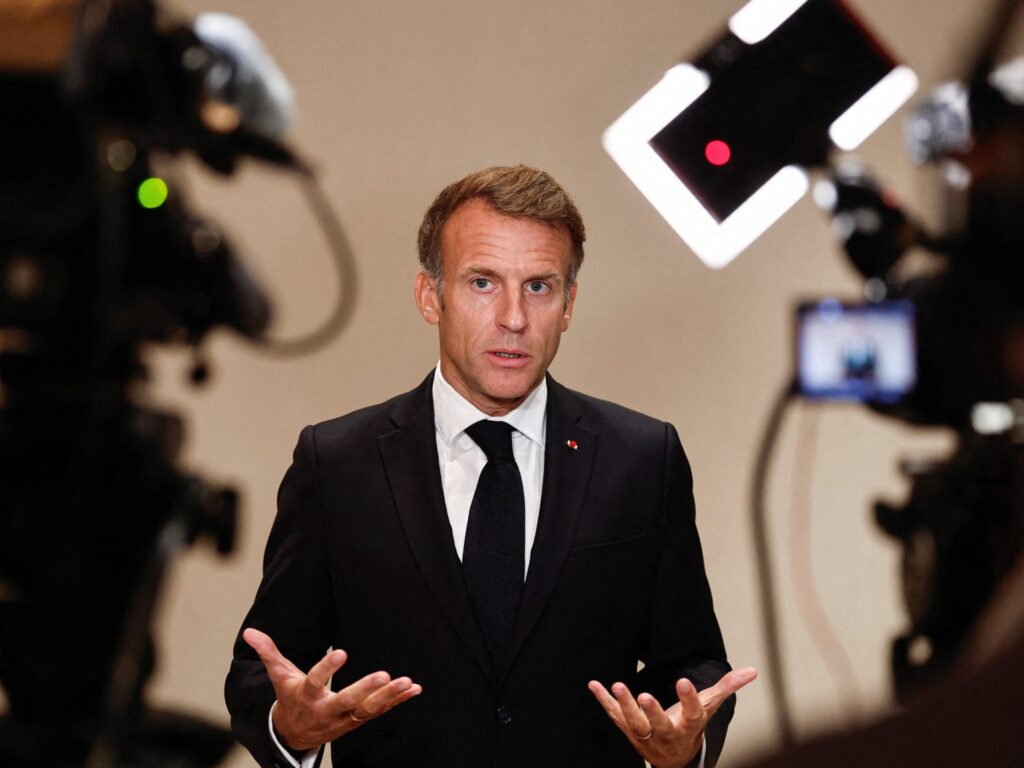
French President Emmanuel Macron has taken a firm stance against the ongoing protests in France, declaring that demonstrators will not be allowed to “cause chaos” in the country. Speaking publicly, Macron emphasized the government’s commitment to maintaining order while also addressing the grievances behind the demonstrations. This latest assertion comes amid widespread protests that have drawn significant national and international attention, disrupting daily life and raising concerns about public safety.
Macron’s remarks also included a pointed criticism of certain “foreign leaders” whom he accused of attempting to exploit the unrest for their own political gain. He warned that external forces were seeking to undermine France’s stability by interfering in domestic affairs, leveraging the protests to push their own agendas. This accusation highlights the tense geopolitical backdrop against which France is navigating its internal challenges.
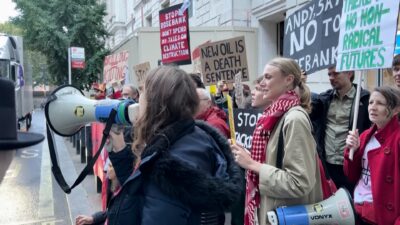
The president’s comments follow weeks of protests sparked by various social and economic issues. Protesters have voiced frustrations over government policies, economic inequality, and other grievances, leading to large-scale demonstrations in major cities. While many protests have been peaceful, some have turned violent, prompting calls for decisive government action.
Macron’s government has promised to address the root causes of discontent while ensuring that order is preserved. Authorities have increased police presence in protest hotspots and have taken measures to prevent escalation. The government aims to balance the right to protest with the need for security and public order.
International reactions to the French protests have been mixed, with some leaders expressing support for the plight of demonstrators, while others urge restraint. Macron’s admonition of foreign interference underscores his administration’s sensitivity to external commentary and attempts to influence French politics amidst domestic turbulence.
The situation remains dynamic, with ongoing dialogues between government officials, protest leaders, and civil society groups. The French government’s approach seeks to avoid further escalation while addressing legitimate concerns raised by citizens. Macron’s decisive language signals a resolve to protect France’s democratic processes and sovereignty against internal disorder and external manipulation.
As the protests continue, all eyes remain on how the French government balances preserving order, respecting democratic freedoms, and responding to public demands. President Macron’s message is clear: while dialogue is possible, chaos will not be tolerated, and the integrity of France’s political system must be safeguarded against both domestic unrest and foreign exploitation.