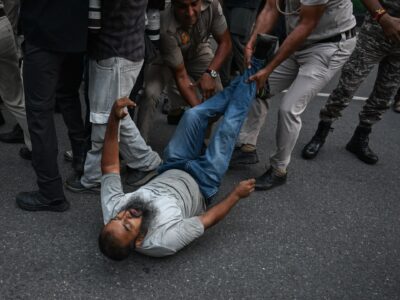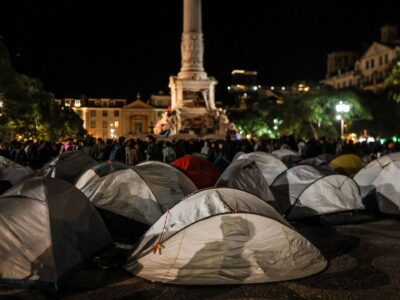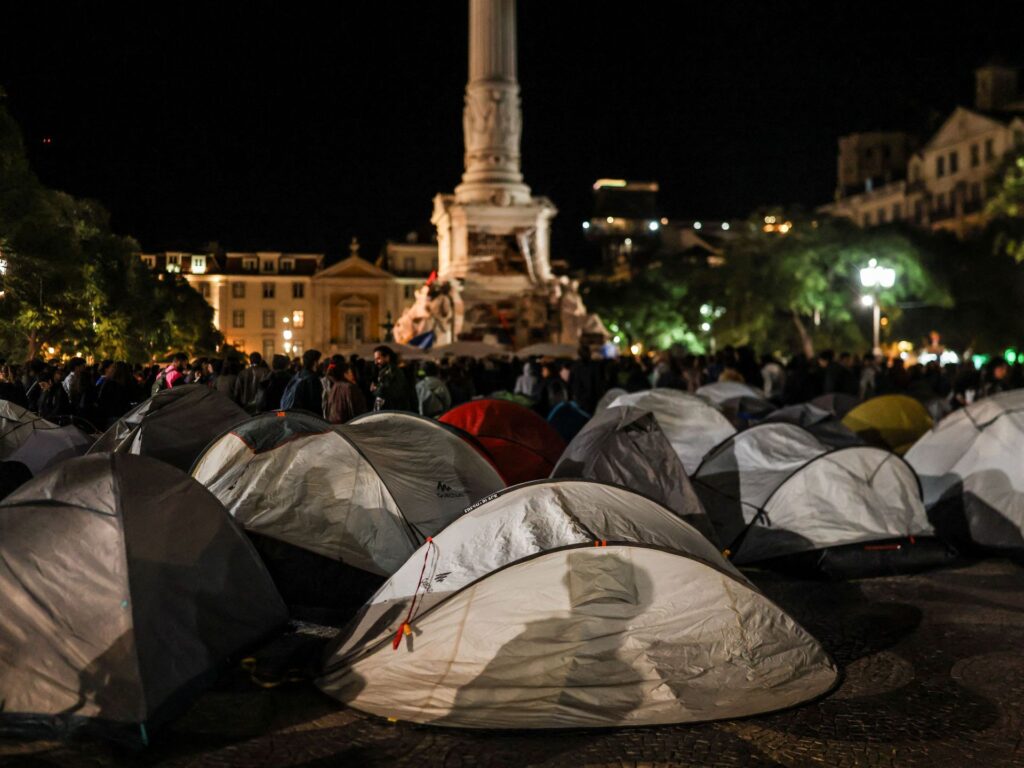
In a striking resurgence this week, cost-of-living protesters in Portugal have returned to camps that were recently cleared by police forces in Lisbon and Porto. Authorities had dispersed the initial gatherings, which were part of wider demonstrations against rising living costs, resulting in the arrest of 55 individuals during the crackdown.
The protests, which have been gaining momentum over the past months, target the increasing economic pressure felt by many Portuguese citizens due to inflation, soaring energy prices, and stagnant wages. Campaigners have been demanding government intervention to alleviate the financial burden on households and to implement policies aimed at improving overall economic stability for the most vulnerable.
Despite the police clearance operations, protesters quickly regrouped, showing the resolute spirit of those involved. The camps serve not only as a physical space for demonstration but as symbolic epicenters of the ongoing struggle against economic hardship.
The police justified the clearances by citing concerns over public safety, the legality of prolonged encampments, and the need to maintain order in urban areas. However, the protesters and their supporters argue that the government is ignoring the fundamental issues causing widespread dissatisfaction and hardship.
As the situation continues to evolve, authorities face the challenge of balancing enforcement with empathy in addressing the public’s economic grievances. Meanwhile, the demonstrations highlight the critical economic concerns affecting ordinary citizens and the urgency for policymakers to respond effectively.
The recent arrests have sparked debates around civil liberties and the right to protest, raising questions about how democratic societies should handle dissent in times of economic crisis. Observers note that sustainable solutions must involve dialogue between the government and protesters to address the root causes rather than only focus on symptomatic actions such as camp clearances and arrests.
Community leaders and economic experts have called for comprehensive strategies including targeted social support, affordable housing initiatives, and fair wage policies to ease the strain on lower and middle-income families.
The re-emergence of the camps is a powerful reminder that social unrest may persist as long as economic inequalities remain unaddressed. With the protest movement gaining new strength, the Portuguese government faces increasing pressure to devise responsive and inclusive policies that prioritize economic justice and social cohesion.
As this situation continues to develop, it remains to be seen how authorities and demonstrators will navigate the tensions between law enforcement and citizens’ demands for change. The outcome could significantly influence Portugal’s social and political landscape in the months to come.