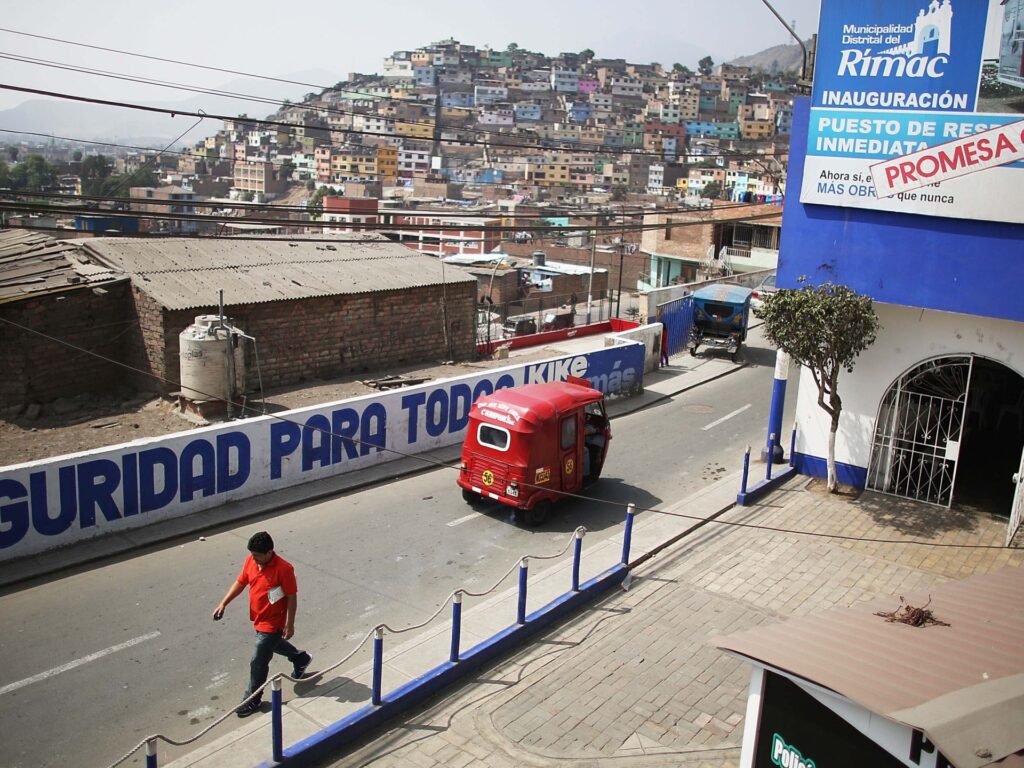
A recent analysis by Oxfam has shed light on the growing economic disparity in Peru, revealing that the country’s richest individuals have claimed a staggering 42 percent of all new wealth generated between 2019 and 2025. This alarming figure highlights the deepening gap between the affluent minority and the rest of the population.
According to Oxfam’s report, only a minuscule 1.4 percent of the wealth created during this period benefitted the poorest 50 percent of Peruvians. This disparity underscores the critical challenges faced by the lower half of society in accessing the benefits of economic growth and development.
The report emphasizes that while Peru has experienced economic expansion, the distribution of this newfound wealth remains highly skewed, favoring the wealthiest segments at the expense of the broader population. This concentration of wealth among a small elite poses significant social and economic risks.
Economic inequality in Peru is exacerbated by factors such as unequal access to education, healthcare, and employment opportunities. The Oxfam analysis suggests that without substantial policy reforms aimed at wealth redistribution and inclusive growth, the disparity will continue to widen.
Experts argue that the concentration of wealth among the richest undermines social cohesion and hampers efforts to reduce poverty. The report calls for urgent government intervention to implement progressive taxation and increased investment in social services to ensure more equitable distribution of resources.
Furthermore, Oxfam stresses the importance of transparent governance and accountability in managing Peru’s wealth. It advocates for policies that promote fair wages, protect workers’ rights, and support small and medium-sized enterprises, which are vital for broad-based economic progress.
Civil society organizations and activists have responded to the report by urging the Peruvian government to prioritize actions that tackle structural inequalities and promote inclusive economic policies. They emphasize that addressing this imbalance is crucial for sustainable development and social justice.
In conclusion, the Oxfam report serves as a wake-up call for Peru, highlighting the urgent need to confront wealth inequality. Without decisive action, the benefits of economic growth will remain concentrated among the rich, leaving the majority of Peruvians behind.
The findings provide a crucial evidence base for policymakers, civil society, and international partners to work collaboratively towards building a more equitable and prosperous Peru for all its citizens.