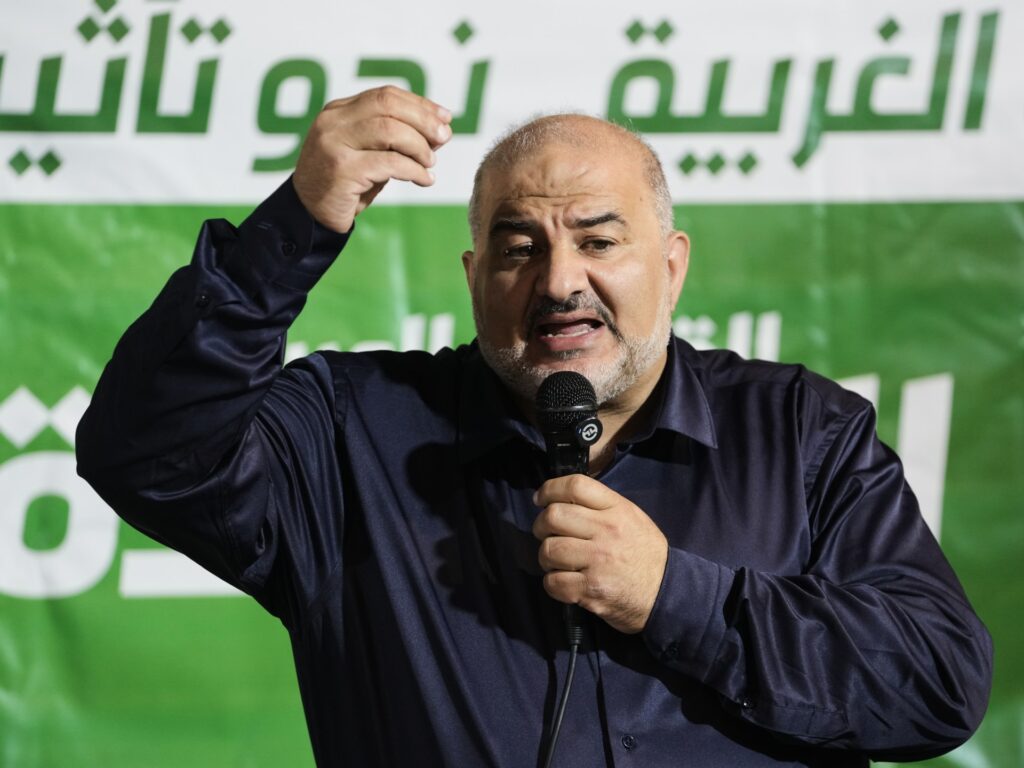
As Israel approaches its pivotal election on October 27, the nation’s political landscape is increasingly shaped by the influence of smaller, yet critically important, parties. Among these, Arab-led and ultra-Orthodox factions stand out as potential kingmakers who could hold the balance of power in the Knesset, Israel’s parliament.
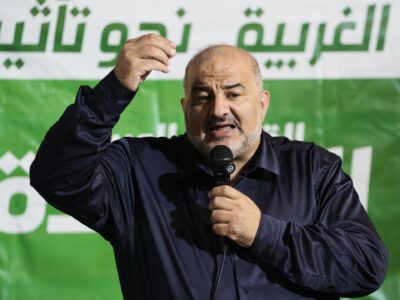
Historically, Israel’s elections have often been decided not just by the leading parties but by the smaller blocs that can tip the scales in coalition-building. The Arab-led parties, representing Israel’s Arab minority, have seen growing political engagement and assertiveness in recent years. Despite facing attacks and criticisms from mainstream political groups, these factions have solidified their support base and demonstrated they could influence government formation.
On the other end of the spectrum, ultra-Orthodox parties maintain a firm grip on Israel’s religious and social policies. Their voter base is both reliable and politically motivated, often serving as a crucial partner for larger right-wing parties seeking to form a majority. However, these parties are also under scrutiny, facing challenges due to their positions on state funding, military service exemptions, and societal integration.
The significance of these kingmakers lies in Israel’s fragmented electoral system, which allocates seats proportionally. No single party has secured an outright majority in many recent elections, making coalition negotiations essential. The Arab-led and ultra-Orthodox parties, despite their ideological differences, could find themselves courted by the major parties in efforts to assemble a governing coalition.
Public sentiment is a key factor in this dynamic. Many Israelis are polarized on issues of religion, identity, and national security, all areas where these smaller parties have distinct and influential stances. For example, the Arab-led parties advocate for minority rights and greater representation, while ultra-Orthodox factions emphasize religious traditions and autonomy.
This election cycle also highlights the complexity of Israel’s political identity, with shifting alliances and emerging leaders aiming to reshape traditional power structures. The potential kingmakers are not only electoral influences but represent broader societal currents that challenge and redefine what it means to govern in Israel.
Political analysts suggest that the outcome of the October 27 election could hinge on how well the major parties negotiate with these smaller blocks. In particular, the ability to form a coalition that can command a stable majority in the 120-seat Knesset will require balancing conflicting demands and interests.
Security concerns, economic policies, and social issues will also play roles in coalition talks. The kingmakers’ agendas will be pivotal in setting the government’s legislative priorities and its approach to both domestic and foreign policy.
In conclusion, as Israel prepares to vote, the Arab-led and ultra-Orthodox parties stand out as potential power brokers capable of determining the election’s outcome. Their ability to leverage their positions amid attacks and political pressure underscores the fragmented yet dynamic nature of Israeli politics. Observers both within Israel and internationally will be watching closely to see how these kingmakers influence the country’s future direction.