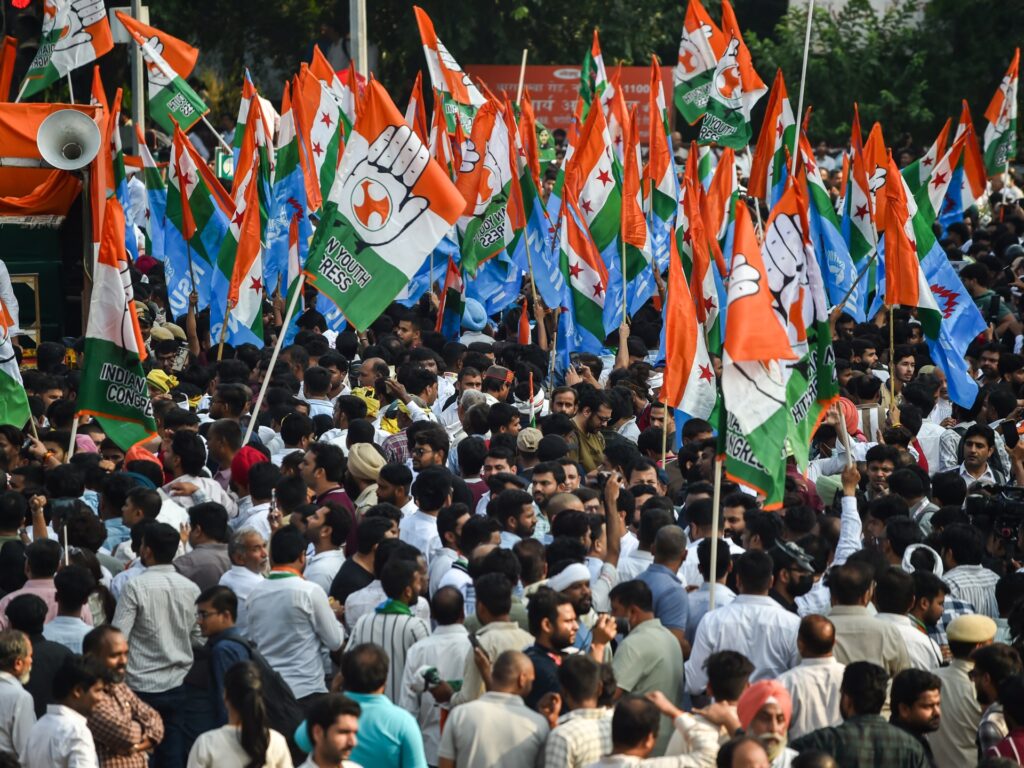
In a significant development reflecting ongoing tensions in India, the courts have extended the detention of key activists affiliated with the Citizenship Justice Party (CJP), known colloquially as the ‘Cockroach’ leaders. This move occurs against the backdrop of intensified government efforts to suppress what has become a near-daily occurrence of protests sweeping across various regions.
The CJP activists have been prominent figures in mobilizing public dissent against various policies of the government, which protesters argue undermine fundamental rights and democratic principles. Their detention and the extension thereof underscore a broader governmental strategy aimed at breaking the momentum of the protest movements.
Authorities contend that the actions taken—including detentions and increased surveillance—are necessary to maintain public order and prevent violence, which they claim has occasionally accompanied some protests. Critics, however, accuse the government of using legal and police powers to silence opposition voices through disproportionate measures.
The protests themselves have been diverse, involving a wide array of groups unified in opposition but varying in specific demands. Issues have ranged from economic reforms and labor laws to citizenship rights and urban development policies. Despite the diversity, a common thread is the call for more transparent governance and respect for civil liberties.
Extending the detention of the CJP leaders comes as part of a series of legal maneuvers, with courts granting requests from law enforcement agencies citing ongoing investigations and security concerns. This legal backdrop raises concerns among human rights organizations about the potential erosion of civil liberties and the judicial system’s independence.
The extended detention has sparked protests and statements of solidarity from various civil society groups and international observers. Many see the treatment of the CJP leaders as indicative of a deeper issue concerning freedom of expression and assembly within the country’s democratic framework.
Historically, India has maintained a robust tradition of civic engagement and courtroom activism. However, the current environment suggests a challenging period for activists and opposition groups who find themselves navigating an increasingly restrictive landscape.
The government maintains that all actions are in strict adherence to the law and necessary to prevent destabilization and ensure the safety of all citizens. Meanwhile, supporters of the detained activists argue that the protest leaders represent legitimate democratic dissent and that their prolonged detention is a violation of basic human rights.
As the situation develops, the world’s eyes are on India to see how it balances law enforcement with the protection of democratic freedoms. The outcome of this extended detention and the continuing protests will likely have significant implications for the country’s political and social fabric.
In summary, the extension of the detention of the ‘Cockroach’ leaders reflects a critical juncture in India’s ongoing dialogue between state authority and citizen activism. It highlights the complexities faced by democracies worldwide in managing dissent without compromising the principles that underpin democratic governance.