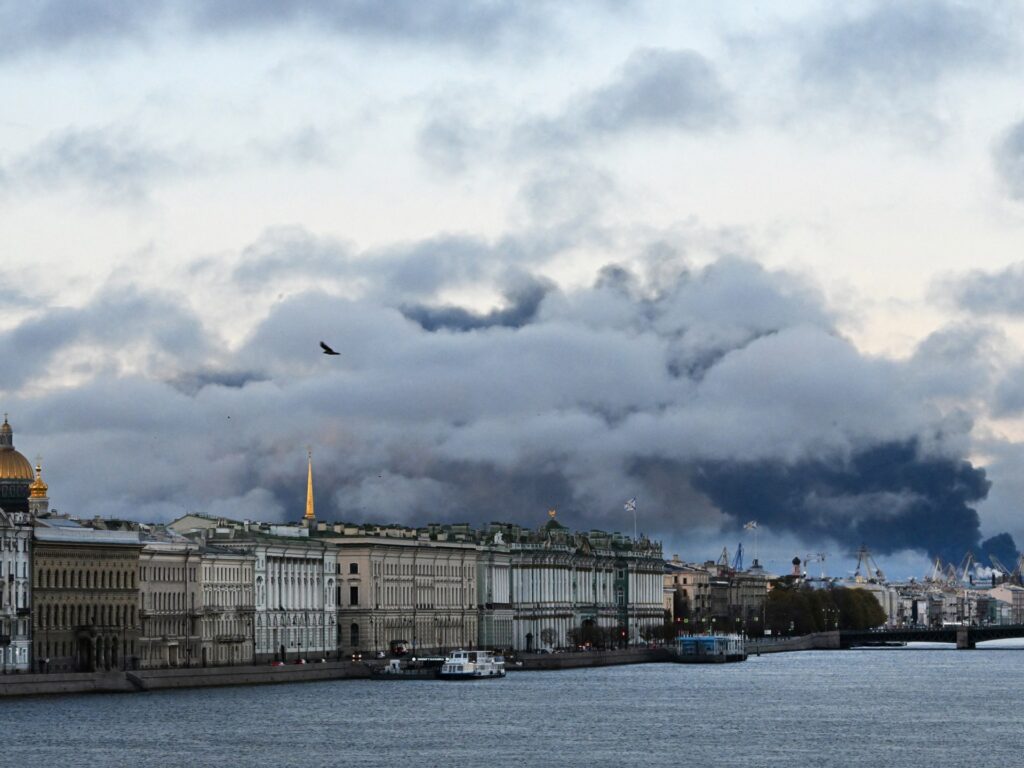
In a recent escalation of the ongoing conflict between Ukraine and Russia, a Ukrainian drone attack targeted Russia’s city of St Petersburg, resulting in the death of one person and damage to critical energy infrastructure. This attack is part of a series of hostilities marking a turbulent phase in the conflict, highlighting the increasing use of drones in warfare.
The Ukrainian forces deployed drones that successfully struck key energy sites in St Petersburg, sending a strong message amid the ongoing tensions. This strategic targeting of energy infrastructure aims to disrupt essential services and exert pressure on Russian operations.
In response to the attack, Ukrainian President Volodymyr Zelenskyy confirmed that Russian forces conducted attacks on Ukraine overnight, which resulted in the deaths of two civilians. Zelenskyy further accused Moscow of violating the recently established ceasefire agreement concerning energy facilities, indicating a continued cycle of aggression and retaliatory actions.
The conflict between Ukraine and Russia has been marked by intense military operations, with both sides suffering casualties and damage to infrastructure. The use of drones by Ukraine signifies a tactical evolution, enabling precise strikes with reduced risk to personnel.
Energy sites have become focal points in this conflict, as control over power supply and related infrastructures is crucial for both military and civilian operations. The damage inflicted by drone attacks disrupts not only energy provision but also has broader economic and social impacts.
Russian officials have condemned the drone attack on St Petersburg, labeling it an act of terrorism and promising to increase their defensive measures against such attacks. Meanwhile, Ukrainian officials emphasize their right to defend their territory and counteract Russian aggression.
International observers and diplomatic entities have expressed concern over the deteriorating situation, urging both sides to adhere to ceasefire agreements and engage in dialogue to prevent further escalation.
The death toll and damage from these attacks underscore the human and infrastructural cost of the conflict, with civilians bearing much of the brunt. Both Ukraine and Russia continue to blame each other for breaking ceasefire agreements and escalating hostilities.
As the situation remains volatile, the international community watches closely for any developments that could lead to lasting peace or a further intensification of conflict. Humanitarian organizations warn of increasing suffering among civilian populations caught in the crossfire.
This latest drone strike on St Petersburg and the ongoing attacks signal a troubling chapter in the Ukraine-Russia conflict, highlighting the growing complexity and technological dimensions of modern warfare. The impact on energy infrastructure further complicates efforts toward economic stability and civilian welfare in the region.