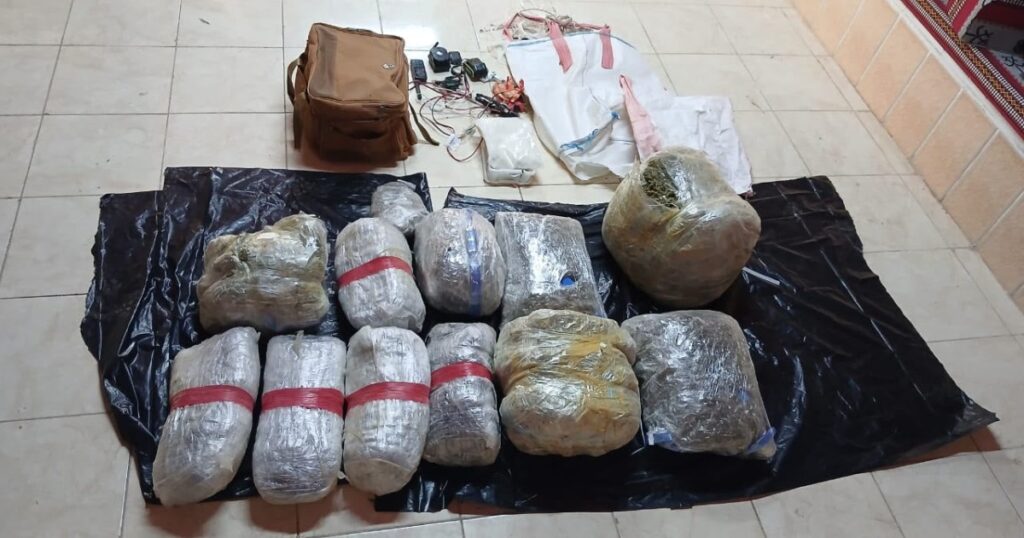
In recent months, the Jordan-Israel border has witnessed a significant surge in sophisticated drug smuggling activities, transforming the region into a new hotspot for illicit trade. The smuggling operations primarily involve the use of advanced technologies such as drones and balloons, enabling traffickers to bypass traditional security measures with greater ease and efficiency.
Authorities on both sides of the border have raised alarm over the escalation in drug trafficking incidents. The use of drones allows smugglers to fly controlled flights across the border carrying narcotics, while balloons equipped with payloads glide over restricted zones, making interception by conventional patrols more challenging.
This technological evolution in smuggling tactics marks a notable shift from traditional methods like tunnel digging or physical border crossings. Experts point out that the aerial approach provides traffickers with a stealth advantage, minimizing human risk and exposure while maximizing payload capacity and operational frequency.
The increasing frequency of these aerial smuggling missions has prompted Jordanian authorities to tighten surveillance and heighten military presence along the border. Despite these efforts, some incidents have led to accusations of collusion between certain border guards and smugglers, complicating enforcement efforts and raising concerns regarding corruption.
Local sources suggest that some border personnel might be complicit in facilitating drug trafficking operations, driven possibly by financial incentives or coercion. These allegations have sparked internal investigations and elicited criticism from the public demanding stricter accountability measures.
In response to the growing threat, Israel has also boosted countermeasures by deploying advanced radar systems, night-vision equipment, and increasing coordination between intelligence and border security agencies. Joint operations have been initiated to intercept aerial drug transports and dismantle trafficking networks.
International bodies and regional governments are closely monitoring the situation given the potential ramifications for regional security and public health. The proliferation of hard drugs across borders contributes to increased addiction rates and related social problems on both sides.
The situation underscores the need for enhanced cross-border cooperation and intelligence sharing to combat the evolving tactics of smugglers effectively. Experts advocate for a multi-pronged strategy combining technological upgrades, rigorous personnel vetting, community engagement, and strong legal frameworks.
Moreover, public awareness campaigns aim to educate communities about the dangers of drug abuse and the consequences of drug trafficking. Such initiatives seek to reduce demand and discourage participation in illegal activities linked to smuggling.
As the Jordan-Israel border becomes a focal point in the battle against drug trafficking, ongoing vigilance and adaptive strategies remain essential. The situation highlights the broader challenges faced by nations worldwide in curbing increasingly sophisticated smuggling operations facilitated by emerging technologies.