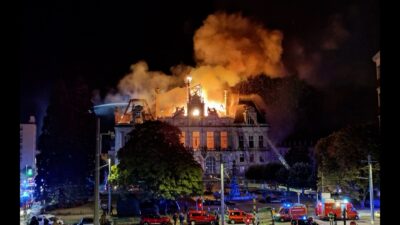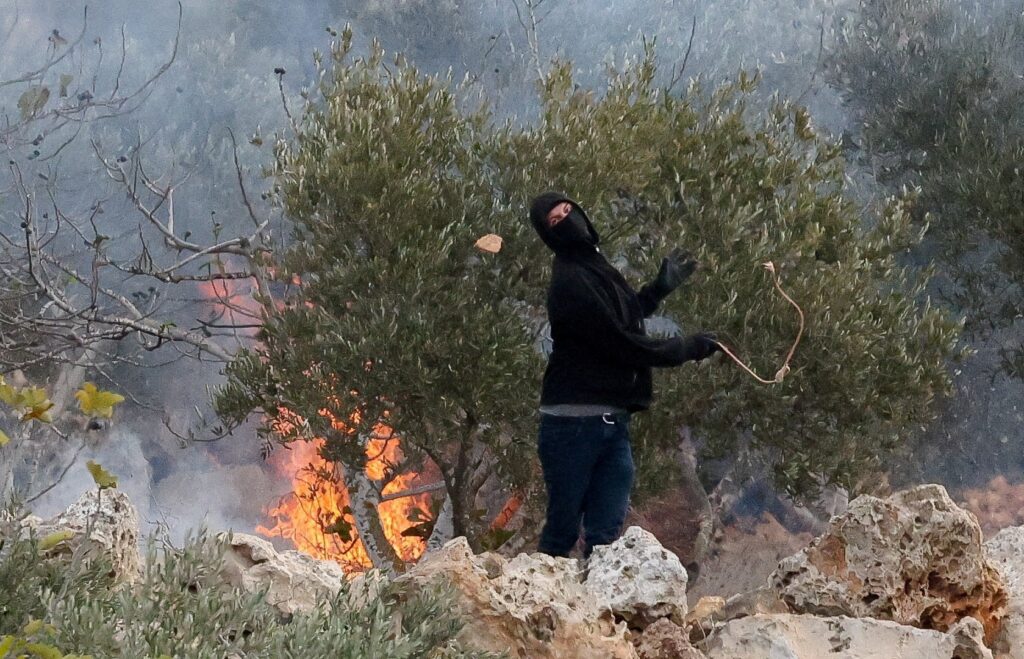
Recent developments in the ongoing conflict have escalated tensions in the Middle East as multiple incidents unfold simultaneously. Israeli settlers have reportedly attacked European Union diplomats in the occupied West Bank, highlighting the volatile situation on the ground. The involvement of masked settlers in these confrontations with European politicians marks a significant escalation in the conflict, drawing international attention and condemnation. Meanwhile, in Saudi Arabia’s capital Riyadh, drones have targeted strategic locations, reflecting the widening scope of hostilities in the region. These aerial attacks signify a shift towards more advanced warfare tactics and pose new challenges for regional security. Additionally, fires have broken out on three tankers, raising concerns over maritime security and the safety of vital shipping routes. The tankers, which are crucial for global oil supply chains, suffered damage that could potentially disrupt energy markets. This series of coordinated and rapid developments indicates a broader strategy aimed at destabilizing key areas and intensifying pressure on involved nations. Officials worldwide have condemned the attacks on diplomats and the aggressive actions involving drones and maritime targets. Calls for restraint and dialogue have been louder than ever, but the complexities of the conflict suggest that resolution remains distant. The situation continues to evolve, with monitoring agencies closely watching for any further escalations. The attacks on diplomats undermine diplomatic efforts and jeopardize future peace talks, setting a precarious precedent for international engagement in the occupied territories. Regional actors and global powers alike are reassessing their positions as the conflict threatens to widen and involve more participants. Humanitarian concerns are also rising as civilians in affected areas face increased dangers amid ongoing confrontations. The international community faces the challenge of addressing these multifaceted crises while navigating complex political dynamics. As fires rage on tankers and drones buzz over capital cities, the potential for a broader conflict looms large. Stakeholders emphasize the need for immediate de-escalation and renewed commitment to diplomatic solutions to prevent a devastating regional war. The unfolding events serve as a stark reminder of the fragile peace in the Middle East and the profound implications of renewed hostilities for global stability and security.