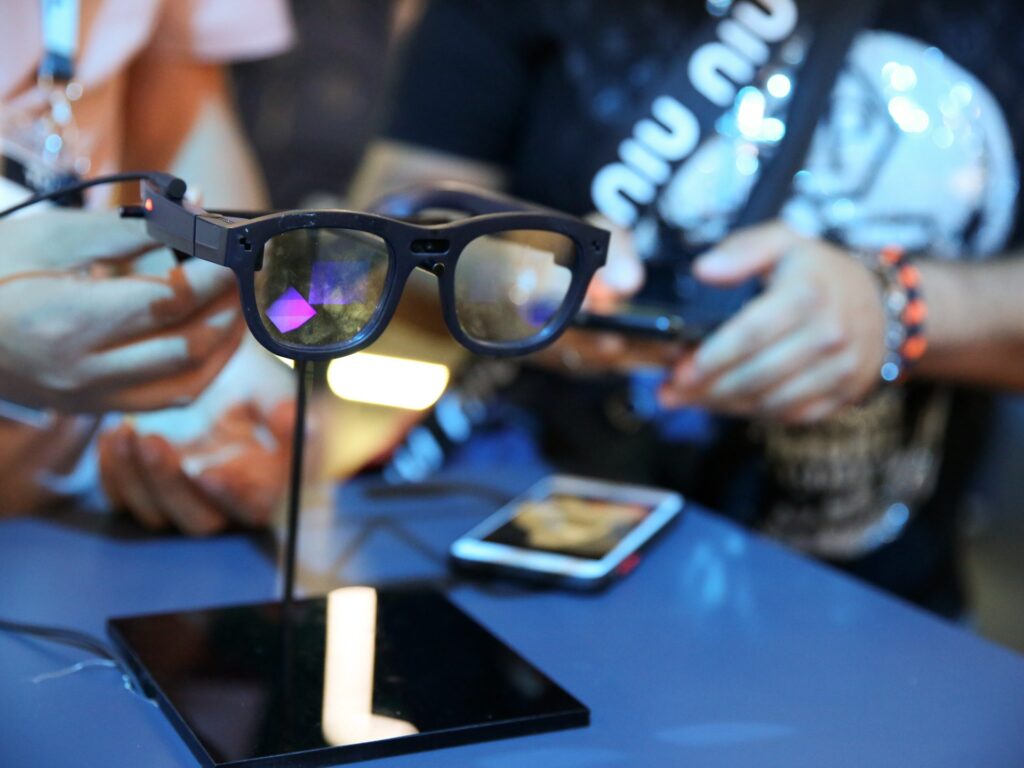
The European Union’s regulatory body has issued an advisory urging manufacturers of smart glasses to implement clear and unmistakable indicators when these devices are recording. This call to action is driven by growing concerns about privacy violations, especially regarding the secret recording of girls and women.
Smart glasses, equipped with cameras and augmented reality features, have become increasingly popular for their convenience and hands-free technology. However, their discreet recording capabilities have raised alarm over unauthorized surveillance and a breach of personal privacy.
The EU watchdog highlighted several reports and incidents where smart glasses were allegedly used to record individuals without their consent, predominantly targeting vulnerable groups such as women and girls. This unauthorized recording has sparked public debate about the ethics and regulations surrounding wearable technologies.
In response, the advisory suggests that smart glasses should have clear visual or audio signals that alert bystanders when recording is in progress. For example, a prominent light or an audible beep should activate to notify anyone nearby. This measure aims to discourage covert filming and protect the privacy of individuals in public and private spaces.
Privacy advocates have welcomed the EU’s stance, emphasizing that transparency is critical as new technologies become part of everyday life. They argue that without clear indicators, smart glasses could facilitate invasive surveillance and misuse, exacerbating issues like harassment and discrimination.
Manufacturers are now under increasing pressure to adopt these recommendations to ensure compliance with EU privacy standards and to regain public trust. Failure to do so could lead to stricter regulatory actions and limit market access within the European Union.
Experts in technology law warn that as wearable devices evolve, legal frameworks must keep pace to address new privacy challenges. They highlight the need for robust guidelines that balance innovation with individuals’ rights to privacy and security.
The advisory also encourages public awareness campaigns to educate users and bystanders about the capabilities and risks associated with smart glasses. This effort aims to foster a culture of respect and caution in the use of recording technologies.
In conclusion, the EU watchdog’s advisory underscores the importance of clear and audible signals in smart glasses recording. It marks a proactive step towards safeguarding privacy in an era where technology is seamlessly integrated into daily life. As these devices continue to advance, continuous evaluation and adaptation of privacy policies will be essential to protect all members of society from covert surveillance and unauthorized recordings.