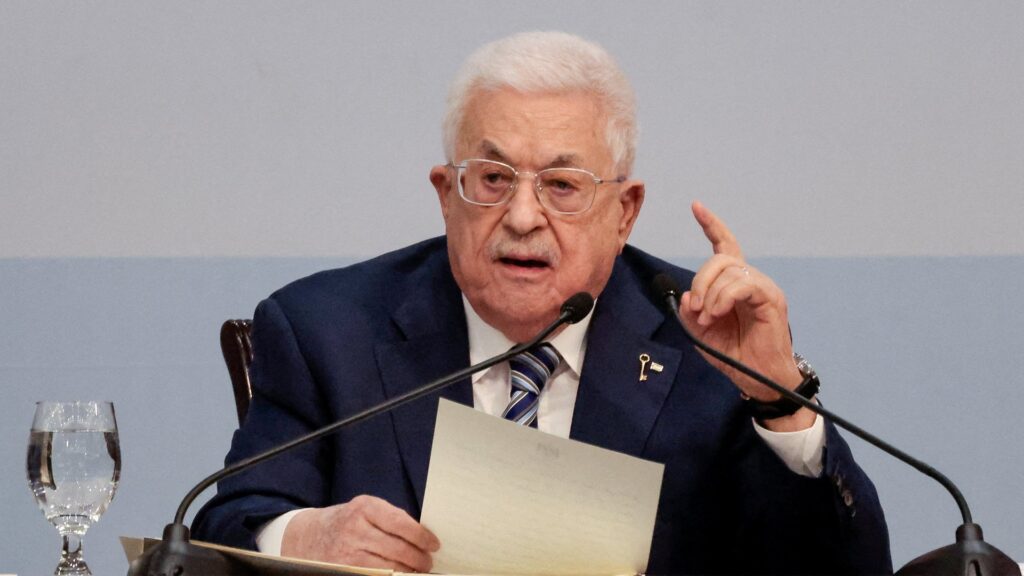
The recent announcement by Palestinian President Mahmoud Abbas to delay the long-awaited Palestinian legislative elections has sparked widespread concern and disappointment among Palestinians. The elections, originally scheduled to be held, had raised hopes for democratic progress and political renewal within Palestinian territories. Palestinians from various regions have expressed deep frustration, emphasizing that the delay heightens uncertainty about their future representation and political direction.
President Abbas cited several reasons for postponing the polls, including concerns related to logistical challenges and the political environment, but critics argue that the delay undermines democratic processes and stymies efforts to bridge internal divisions. Many Palestinians feel that the postponement leaves a void regarding who will truly represent them in the Palestinian Legislative Council, the legislative body responsible for shaping policies and laws.
The reaction spans across different demographics and political spectrums. Youth activists, in particular, voiced their disappointment, highlighting how the postponement curbs their aspirations for change and participation in governance. Some community leaders have warned that continued delays may weaken the legitimacy of existing institutions and harm prospects for reconciliation among the diverse Palestinian political factions.
International observers had welcomed the announcement of elections as a vital step toward revitalizing Palestinian political life and potentially revitalizing stalled peace processes. The delay has raised concerns about the impact on international relations and peace negotiations, with calls for renewed efforts to ensure transparent and timely elections.
Analysts note that the electoral delays reflect broader challenges facing Palestinian leadership, including internal divisions, external pressures, and complex political dynamics between major groups such as Fatah and Hamas. The delay also exacerbates the sense of political disenfranchisement felt by many Palestinians living under occupation and in refugee camps.
As frustration grows, there is a widening call from civil society organizations and political activists demanding clarity on the roadmap for elections and political reforms. Many Palestinians express the urgent need for a mechanism that guarantees fair representation and addresses longstanding issues of governance, accountability, and civil rights.
The postponement of the Palestinian legislative elections serves as a critical juncture that will influence not only the internal political landscape but also the broader quest for peace, justice, and self-determination within Palestinian society. How the leadership addresses these concerns and progresses toward elections remains a crucial question for the future of Palestinian representation and democracy.