Nearly a year has passed since the U.S. Trump administration established the Board of Peace aimed at fostering lasting peace in Gaza following a high-profile ceasefire agreement. Despite considerable initial optimism around the board’s potential to transform the conflict landscape, recent analyses suggest its impact has been underwhelming.
The Board of Peace was conceived as a specialized entity to engage directly with key stakeholders in the Gaza conflict, facilitate dialogue, and implement mechanisms to sustain the ceasefire. The objective was to break the cycle of violence that has plagued Gaza for decades, stabilize the region, and create opportunities for economic and social development.
However, several challenges have impeded the board’s mission. Analysts point to the complex political environment within Gaza, including the influence of Hamas and the broader geopolitical tensions involving Israel, Egypt, and other regional actors. These factors have considerably limited the board’s ability to negotiate enforceable agreements or meaningfully engage all relevant parties.
Critics argue that the board has largely been symbolic, lacking credible strategies and sufficient authority to enforce its decisions. The absence of clear follow-through on ceasefire terms and the failure to address underlying humanitarian and security concerns have further undermined efforts.
Moreover, attempts to broker regular dialogues have often been disrupted by renewed skirmishes and mutual recriminations, highlighting the fragility of the ceasefire and the board’s limited leverage. Human rights organizations and international observers have also expressed concerns over the board’s limited transparency and accountability.
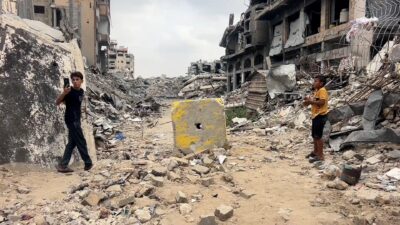
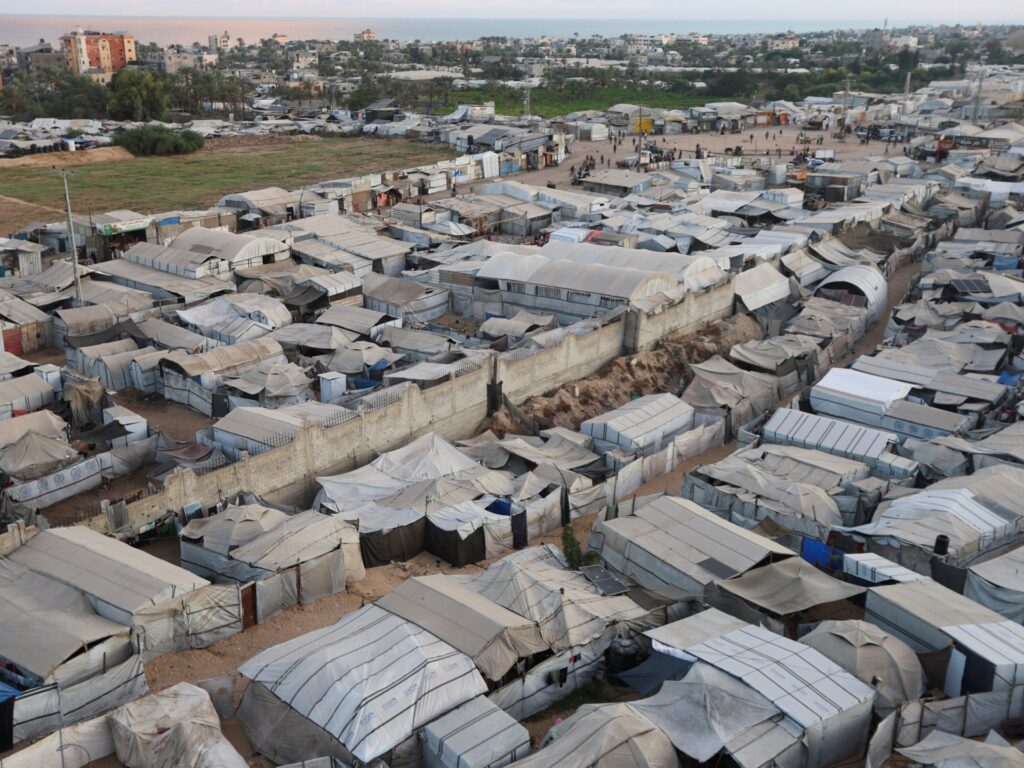
Nonetheless, the board has contributed to some localized initiatives such as coordinating humanitarian aid deliveries and facilitating limited infrastructure projects aimed at easing the dire living conditions in Gaza. These modest successes, however, fall short of the comprehensive peace strategy initially envisioned.
Looking forward, experts emphasize the need for a more inclusive and multilateral approach involving international stakeholders alongside local leaders. Without addressing fundamental grievances, security dilemmas, and economic deprivation, the prospects for durable peace remain bleak.
In conclusion, while the Trump administration’s Board of Peace was established with high hopes to secure a lasting ceasefire and foster peace in Gaza, it has largely failed to achieve these ambitious objectives within its first year. The ongoing volatility in the region underscores the profound complexities and challenges inherent in peacemaking efforts amidst entrenched conflict.