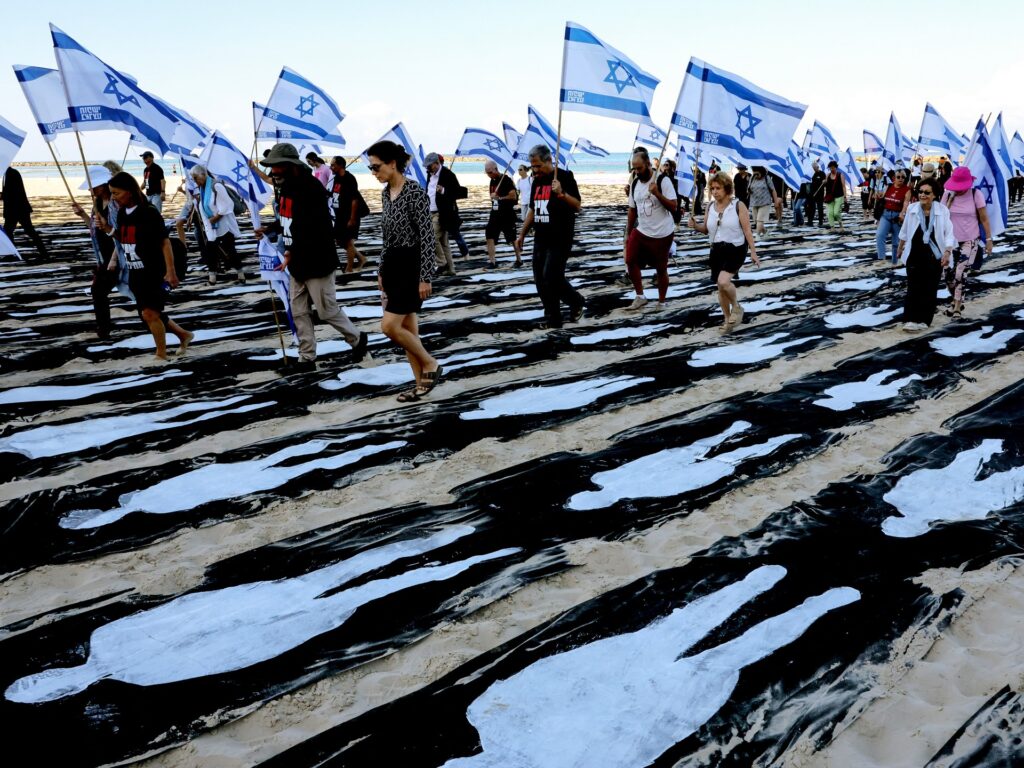
On the third anniversary of October 7, marked by ongoing conflict and unrest, Israel faces profound societal challenges that extend far beyond the battlefield. A troubling consequence of the prolonged war is the severe toll it has taken on the mental health of its population, particularly its children.
Recent studies reveal that children’s psychiatric emergency visits in Israel have more than doubled since October 7, highlighting a crisis in pediatric mental health that demands urgent attention. This alarming increase signals the deep psychological scars left by years of instability and violence.
The stress and trauma experienced by children in war zones are complex and multifaceted. Exposure to violence, loss of loved ones, displacement, and the constant threat to personal safety create an environment of fear and uncertainty. These factors contribute to various mental health disorders, including anxiety, depression, post-traumatic stress disorder (PTSD), and suicidal ideation.
Healthcare professionals across Israel report a surge in cases involving severe anxiety attacks, self-harm, and behavioral problems among young patients. Emergency psychiatric units are overwhelmed, struggling to meet the growing demand for crisis intervention and therapeutic support.
Parents and educators are also witnessing significant changes in children’s behavior and emotional well-being. Schools report increased difficulties in managing classrooms as students grapple with concentration issues, mood swings, and withdrawal from social activities. These trends suggest a broader societal impact, affecting community resilience and the future prospects of the nation’s youth.
Government agencies and NGOs are mobilizing to address this mental health emergency by expanding resources, launching public awareness campaigns, and integrating psychological support into schools and community centers. However, experts warn that these measures, while necessary, may still fall short without a comprehensive peace strategy to bring an end to the conflict.
The long-term consequences of untreated childhood trauma can be devastating, leading to chronic mental health conditions, impaired cognitive development, and reduced quality of life. As the anniversary of October 7 passes, the international community is reminded of the urgent need for increased humanitarian aid, mental health funding, and diplomatic efforts.
This situation underscores a critical lesson: the effects of war reach far beyond immediate physical destruction. The psychological wounds inflicted on the youngest and most vulnerable members of society could shape the fabric of Israeli society for generations.
In conclusion, three years after the fateful events of October 7, the prolonged war continues to exact a heavy toll on Israel, most palpably seen in the skyrocketing mental health crisis among children. Addressing this challenge requires a multifaceted approach, blending medical care, social support, educational reforms, and, most importantly, a sustained commitment to peace.
The future of Israel’s children, and by extension the future of the nation, hinges on the collective response to this silent epidemic born of conflict.