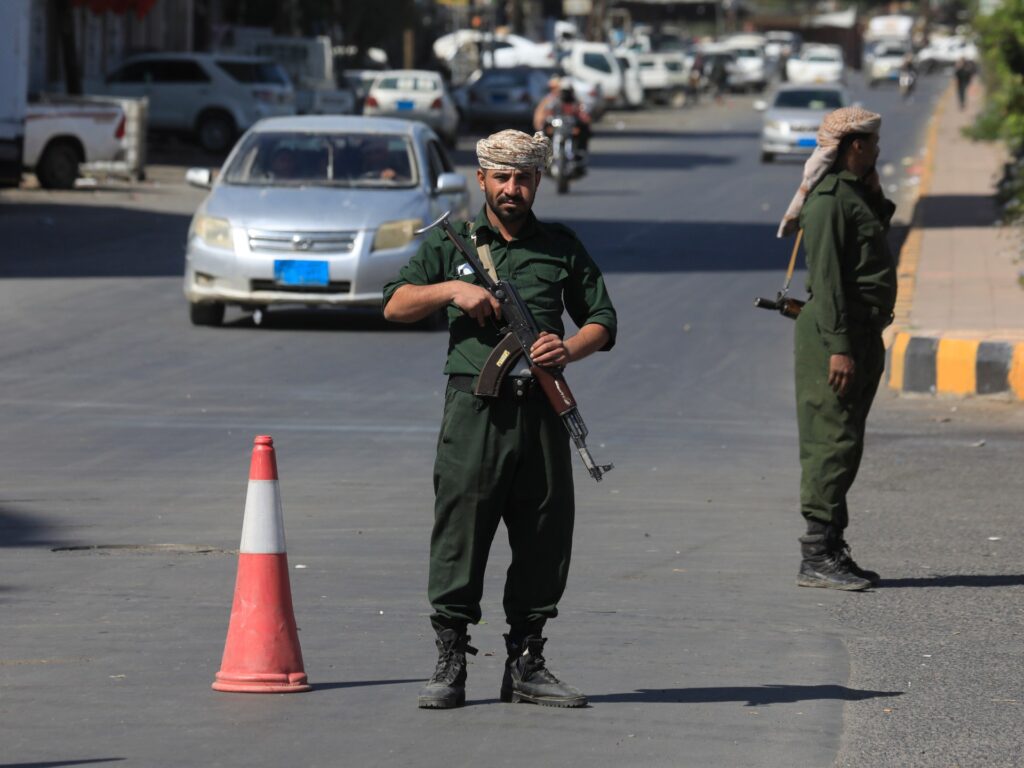
In the ongoing conflict in Yemen, Saudi-backed Yemeni forces have announced significant advances by capturing key heights in the mountainous belt of western Taiz. These strategic locations overlook the coastal areas, providing a tactical advantage in the region. This development comes amidst continuous attacks by the Houthi rebel forces, who maintain their offensive operations in various parts of the war-torn country.
The recent gains by the pro-government forces are seen as a crucial move to regain control over the western parts of Taiz, a city that has been a flashpoint in the conflict. The mountainous terrain of this area has long been contested due to its strategic importance, as it offers commanding views and control over surrounding territories, including vital supply routes along the coast.
Yemen has been embroiled in a devastating civil war since 2014, with the Houthis, a Shiite rebel group, challenging the internationally recognized government. The conflict has attracted regional and international involvement, particularly from Saudi Arabia, which supports the Yemeni government through military aid and coalition forces.
The advances by Saudi-backed forces in western Taiz could potentially shift the momentum in the ongoing battles. Controlling the high ground in this mountainous region not only hampers Houthi military operations but also disrupts their supply lines, which are critical for sustaining their offensive activities.
However, Houthi forces have been relentless in their attacks, utilizing guerrilla tactics and launching missile strikes targeting both military and civilian areas. The persistence of these attacks underlines the complex and protracted nature of the conflict, which has resulted in significant humanitarian crises, including mass displacement, famine, and widespread destruction.
The situation in Yemen remains precarious, with no immediate end to hostilities in sight. The recent developments in western Taiz underscore the continuing volatility in the region and highlight the challenges faced by efforts aimed at achieving peace and stability.
International observers and humanitarian organizations continue to call for renewed diplomatic efforts to broker a ceasefire and address the dire needs of the Yemeni population. Meanwhile, on the ground, the battle for control over key territories like those in Taiz’s mountain belt continues to shape the course of the conflict.
As the war persists, the strategic importance of controlling elevated terrain in Yemen’s rugged landscape remains a focal point for both sides. The capture of these heights by Saudi-backed forces marks a notable chapter in the ongoing struggle, with implications for future military engagements and the broader geopolitical dynamics of the region.