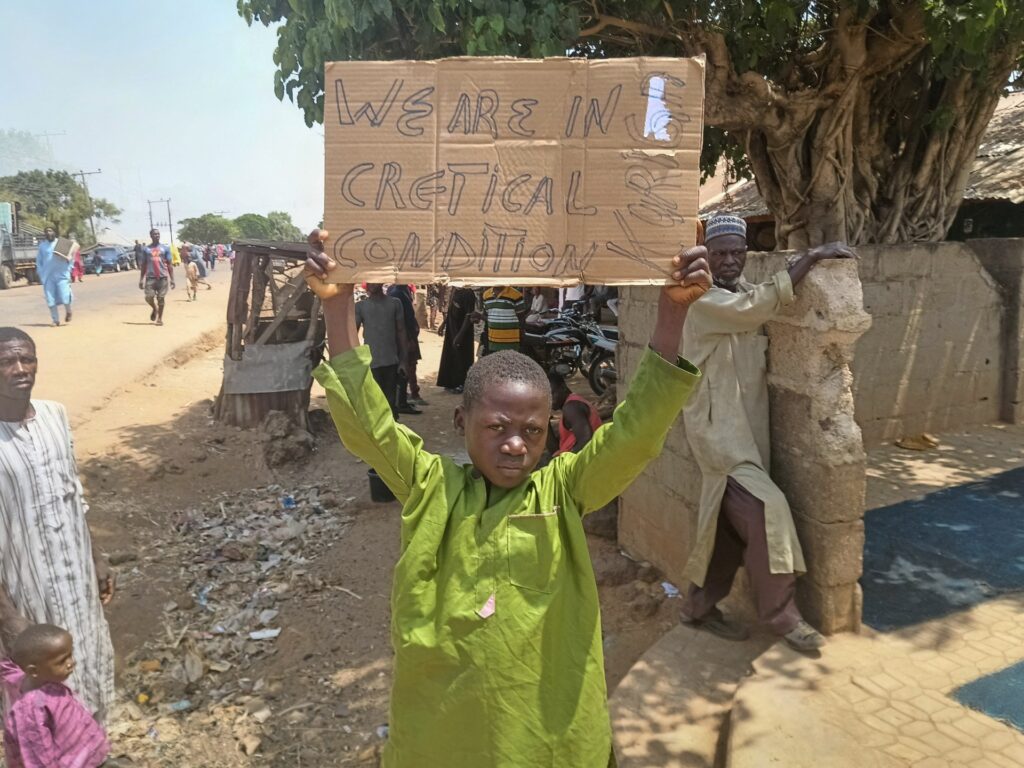
In Nigeria’s northeastern Borno State, kidnappings have become a devastating reality, inflicting deep wounds on families and communities alike. The widespread abductions, often perpetrated by insurgent groups and criminal gangs, have left many families grappling with painful losses, depleted financial resources, and broken futures.
Families in towns and villages across Borno live in constant fear as kidnappings have surged in recent years, turning daily life into a precarious existence. Loved ones, including children, students, and breadwinners, vanish unexpectedly, leaving homes shadowed by uncertainty and grief.
One of the most stark consequences of these abductions is the financial strain placed on families. Many are forced to deplete their life savings or incur heavy debts to pay ransom demands, often at exorbitant rates. This economic hardship cascades through households, resulting in losses of property, livelihood setbacks, and increased poverty.
Beyond the immediate financial impact, the kidnappings deeply disrupt education and social development. Children and youth, who might be abducted from schools or on their way to education centers, face interrupted learning or even prolonged absence from formal education. The trauma of kidnapping or losing a sibling or parent to abduction can also severely affect mental health and social cohesion within communities.
Parents recount the anguish of not knowing whether their kidnapped children are alive or dead. Some receive ransom calls, while others wait years hoping for news. The uncertainty erodes family stability and community trust.
Efforts to combat kidnappings include increased security patrols, community vigilance committees, and government-led initiatives aimed at rescue and prevention. However, the sheer scale of insecurity and the challenging terrain make comprehensive security a difficult goal.
Local leaders stress the importance of addressing root causes such as poverty, unemployment, and lack of education, which extremist groups exploit to fuel violence and abductions. Civil society organizations advocate for better victim support services and educational programs to help families rebuild their lives.
The human cost is enormous, as each kidnapping disrupts countless lives, leaving scars that extend far beyond immediate victims. Families in Borno continue to struggle with the emotional and economic fallout, yearning for stability and peace in a region marked by years of conflict and hardship.
As kidnappings persist, the resilience of Borno’s families is tested daily. Their stories highlight an urgent need for national and international responses that prioritize security, justice, and social recovery to heal wounds and restore hope for the future.