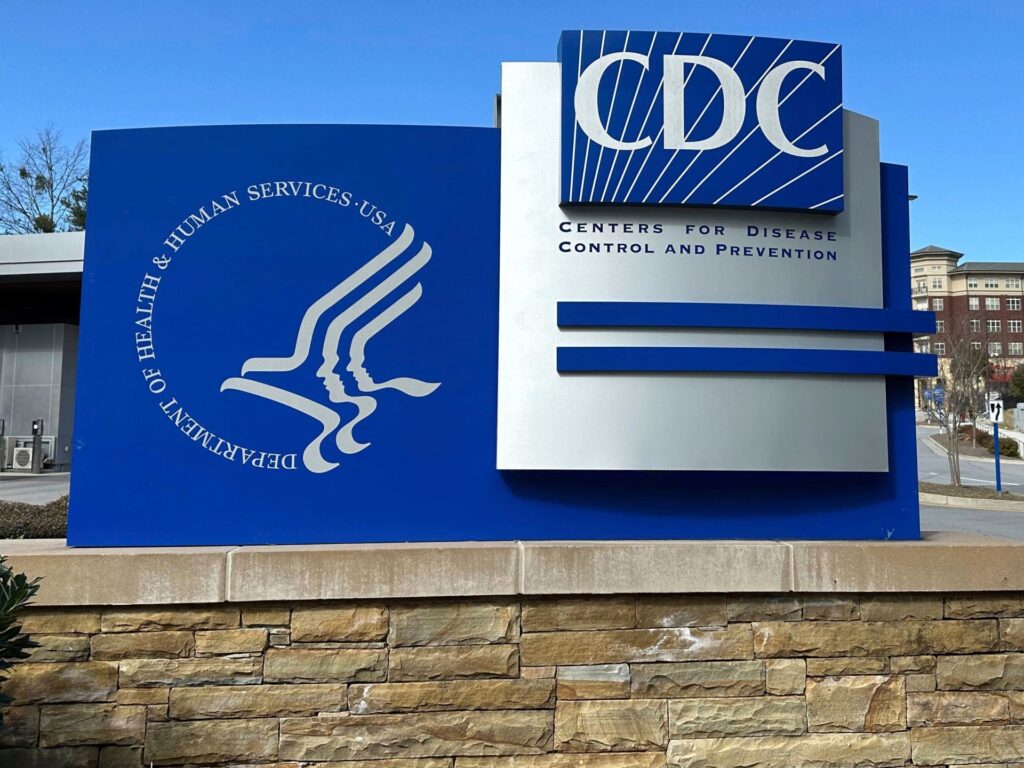
The United States Centers for Disease Control and Prevention (CDC) has officially stated that it is aware of and closely monitoring a recent case of the plague reported in Russia. This announcement comes amid growing international health concerns and follows remarks from the Trump administration, which also emphasized that it is keeping a close watch on the situation.
The CDC, the nation’s foremost public health agency, seeks to assure the public and global partners that it is actively tracking developments related to the plague case in Russia. Although the details about the specific circumstances of the infection have not been fully disclosed, the agency’s vigilance underscores the importance of proactive disease surveillance and rapid response.
Plague, caused by the bacterium Yersinia pestis, is a serious infectious disease historically known for its devastating pandemics. However, with modern antibiotics and improved public health infrastructure, plague cases are now rare and generally controllable. Nonetheless, isolated incidents still occur globally, underscoring the ongoing need for awareness.
The CDC’s monitoring efforts include coordination with international health organizations, readiness to deploy response measures if needed, and ongoing risk assessments to determine the potential impact on the US public health landscape. These steps are part of broader strategies to prevent the spread of infectious diseases across borders.
Public health experts note that while the case in Russia might not directly threaten the United States, global connectivity and travel mean that vigilance remains crucial. Rapid identification, isolation, and treatment of cases are key to controlling outbreaks.
At the same time, the Trump administration’s statement highlighted the importance it places on national security and public health related to infectious diseases. Officials have reassured the public that all necessary resources and agencies are mobilized to manage any emerging threats.
Historically, plague symptoms include fever, chills, weakness, and swollen lymph nodes. If untreated, it can progress rapidly and become life-threatening. Thanks to antibiotics and widespread medical knowledge, mortality rates have dramatically declined since the 20th century.
The Russian case serves as a reminder for global health agencies to maintain and enhance disease surveillance systems. It also points to the continued need for public education on infectious diseases and the importance of prompt medical attention.
Furthermore, enhanced international cooperation is critical to curbing the spread of such infections. The CDC’s monitoring efforts exemplify cooperation between countries and agencies aimed at safeguarding global health.
In conclusion, while the Russian plague case has raised international concerns, the combined efforts of the CDC, other global health bodies, and government agencies provide a strong defense against potential outbreaks. The situation remains under close scrutiny, reinforcing the importance of vigilance in global disease surveillance systems.