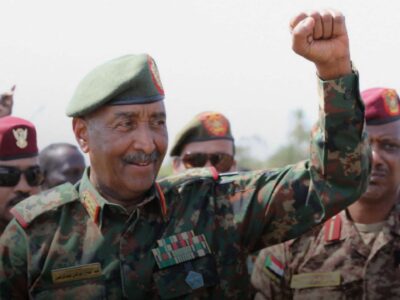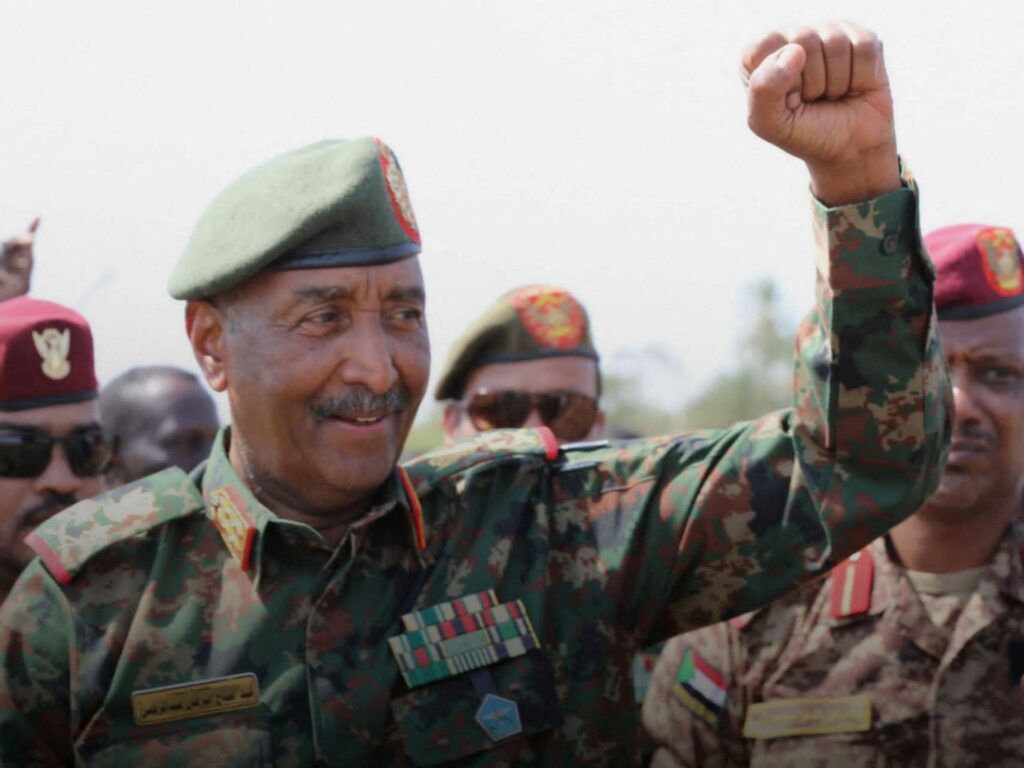
Sudan is currently facing escalating conflict as General Abdel Fattah al-Burhan, the leader of Sudan’s military, has openly rejected negotiations with the Rapid Support Forces (RSF). Instead, he has announced a firm commitment to retaking all territories under the control of the RSF, signaling a hardening stance in the ongoing power struggle.
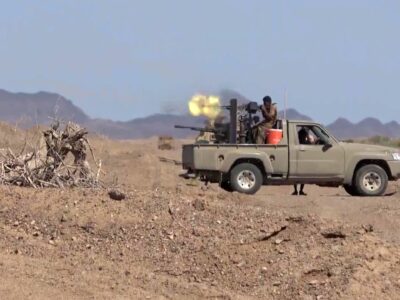
The situation on the ground is deteriorating rapidly. Recent clashes have resulted in significant civilian casualties and displacement. In West Kordofan, at least 10 civilians have been killed, underlining the human cost of the conflict. Meanwhile, in Blue Nile state, more than 5,500 people have been displaced as violence continues to spread.
The rejection of talks by General al-Burhan reflects the deepening divisions and escalating tensions between Sudan’s military and the RSF, a paramilitary force formerly integrated into the Sudanese Armed Forces but now a central actor in the conflict.
The fighting has worsened the humanitarian situation in both regions, severely impacting local communities and complicating efforts by aid agencies to provide relief. The influx of displaced persons places additional strain on already limited resources and infrastructure in host areas.
The Sudanese conflict originates from a power struggle between al-Burhan and RSF leader Mohamed Hamdan Dagalo, known as Hemeti. The failure of past ceasefires and peace agreements has contributed to the ongoing violence, with both sides accusing each other of violations.
International efforts to mediate the conflict have so far failed to bring about a durable solution. The international community continues to call for restraint and dialogue, but the announcement by al-Burhan to reject talks is a setback to these efforts.
On the political front, al-Burhan’s vow to reclaim all RSF-held territory suggests a potential intensification of military operations. This could lead to more widespread fighting and further displacement.
Civilians remain caught in the crossfire, facing grave risks including loss of life, forced displacement, and disruption of essential services such as healthcare, education, and access to food and water.
Human rights organizations have raised alarms over the situation, urging all parties to respect international humanitarian law and protect civilians.
In summary, Sudan faces a deteriorating conflict situation as General al-Burhan’s rejection of talks and promise to retake RSF-controlled territories mark a troubling phase in the ongoing crisis. The rising death toll, increased displacement, and expanded fighting zones emphasize the urgent need for a peaceful resolution to prevent further suffering.
The eyes of the world remain on Sudan as the conflict unfolds, highlighting the critical importance of renewed diplomatic efforts and humanitarian assistance to stabilize the region and protect its people.