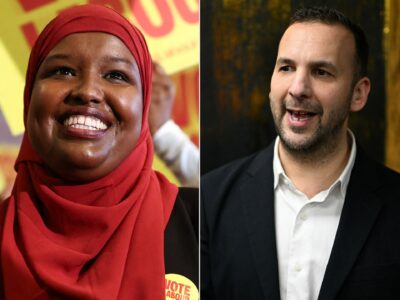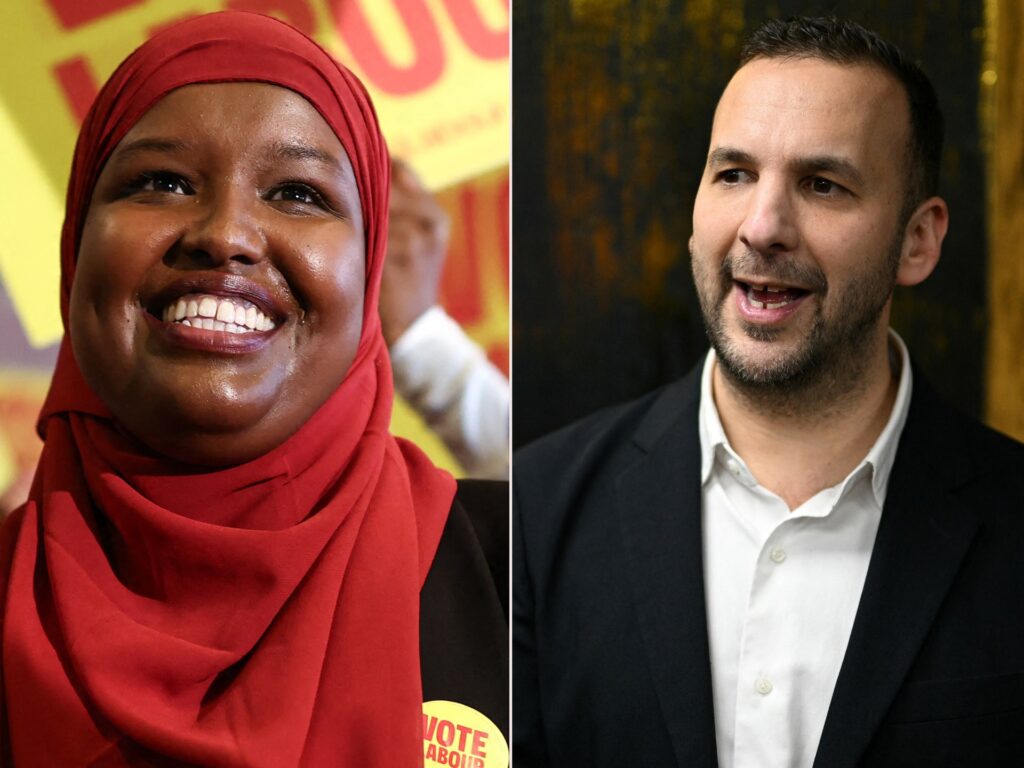
In a significant political development, the Green Party, led by Zack Polanski, has launched a strong campaign to challenge the Labour Party’s longtime hold on the Holborn parliamentary seat. This constituency has been a Labour stronghold since its establishment in 1983 and was notably held by Labour leader Keir Starmer earlier in his career.
The Green Party’s campaign takes on added significance given the pro-Palestine stance adopted by its leaders and candidates. This position resonates with a segment of voters increasingly concerned about Middle Eastern geopolitics and social justice issues, providing the Greens with a platform to differentiate themselves from Labour.
Zack Polanski, the Green Party leader, is optimistic about his party’s chances in Holborn. Polanski’s message emphasizes environmental issues, social equity, and international human rights, including a vocal support for the Palestinian cause. This approach aims to galvanize younger voters and those dissatisfied with Labour’s policy positions.
Labour, meanwhile, is preparing to defend its seat amidst these challenges. The party has dominated Holborn for nearly four decades, leveraging its deep-rooted connections and historical support base. However, internal discussions within Labour have acknowledged the shifting political landscape and the need to address the concerns of its constituents more effectively.
The Green Party’s challenge signals a broader realignment in British politics, where traditional party loyalties are increasingly questioned, and new issues come to the fore. Holborn’s electorate, diverse and politically engaged, may serve as a bellwether for these changes.
The campaign in Holborn will be closely watched by political analysts and the national media, as it may indicate larger trends for upcoming elections. If the Greens succeed in making significant inroads, it could encourage similar efforts in other Labour-held seats, altering the political map ahead of future contests.
Polanski’s leadership and the pro-Palestine stance taken by the Greens highlight a more pronounced ideological divide between Labour and Green platforms. This division underscores the evolving nature of political advocacy, where foreign policy and human rights issues now play a crucial role alongside traditional domestic concerns.
Voter sentiment in Holborn remains mixed but open to change, particularly among younger demographics who are more vocal about progressive causes and environmental sustainability. This demographic shift presents an opportunity for the Greens to mobilize support and potentially disrupt Labour’s historical dominance.
As campaigning heats up, both parties are ramping up efforts to connect with voters through community engagement, debates, and digital outreach. The contest is expected to be fiercely competitive, reflecting the high stakes and the symbolic value of Holborn as a political battleground.
In conclusion, the challenge posed by the Pro-Palestine Greens in Holborn marks a critical juncture in local and national politics. It represents not only a confrontation over a parliamentary seat but also a broader contest over the direction of progressive politics in the UK. The outcome of this rivalry will be a key indicator of how emerging political movements influence traditional party dynamics in the years to come.