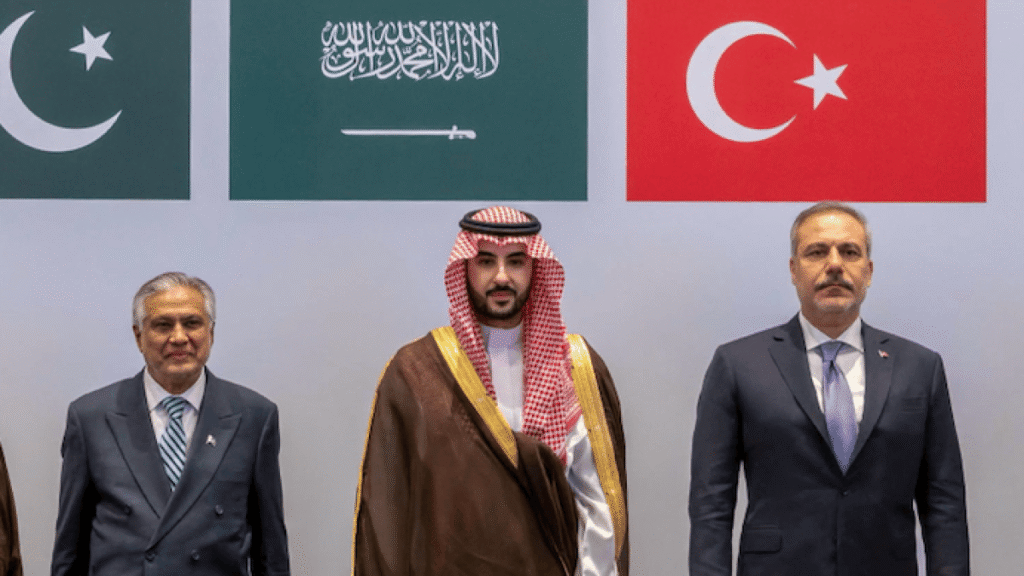
In a significant show of regional unity, Turkey, Saudi Arabia, and Pakistan have reached an agreement to deploy military forces collectively to Saudi Arabia. This strategic move aims to strengthen deterrence against ongoing threats posed by Houthi attacks in the region.
The agreement emerged amid escalating tensions and security challenges posed by the Houthi movement, which has been conducting cross-border attacks that threaten stability in Saudi Arabia and the broader Gulf area. Recognizing the need for a robust and coordinated response, the three countries have committed to joint military deployment as a collective deterrence measure.
This tripartite understanding underscores the importance of regional cooperation in addressing common security threats. By combining their military capabilities, the nations aim to enhance defense readiness and prevent further escalation of conflicts.
Turkey’s involvement marks a notable extension of its military and diplomatic role in the Middle East, highlighting Ankara’s interest in contributing to regional security and stability. Pakistan’s participation similarly reiterates Islamabad’s commitment to supporting Saudi Arabia, with which it shares strong historical and strategic ties.
The joint deployment is expected to include enhanced border security, intelligence sharing, and coordinated military operations designed to counter the insurgent activities attributed to the Houthis. This initiative also sends a clear message to the Houthis and their supporters that attacks against Saudi Arabia will be met with unified and decisive action.
Experts believe that such collective military collaboration will not only deter imminent threats but also contribute to long-term security and political stability in the Gulf region. This alliance reflects a growing trend among Muslim-majority countries to collaborate more closely on mutual defense and counterterrorism efforts.
The governments involved have stated that this deployment is a defensive measure aimed solely at preventing further aggression and maintaining regional peace. They emphasize that dialogue and diplomatic solutions remain important but that readiness to defend against threats is equally crucial.
International observers have noted that this development may alter the strategic balance in the Middle East, potentially encouraging other nations to form similar security pacts. The cooperation also highlights the interconnected nature of regional conflicts, necessitating multilateral responses.
As of now, detailed plans regarding troop numbers, deployment timelines, and operational command structures remain confidential, given the sensitive nature of the operations. However, officials from the three nations have assured the international community of their commitment to uphold international laws and protect civilian lives throughout the process.
In summary, the agreement between Turkey, Pakistan, and Saudi Arabia to initiate a military deployment in response to Houthi attacks represents a pivotal moment in Middle Eastern security dynamics. It highlights the shared commitment of these countries to collective defense and regional stability in the face of persistent threats.