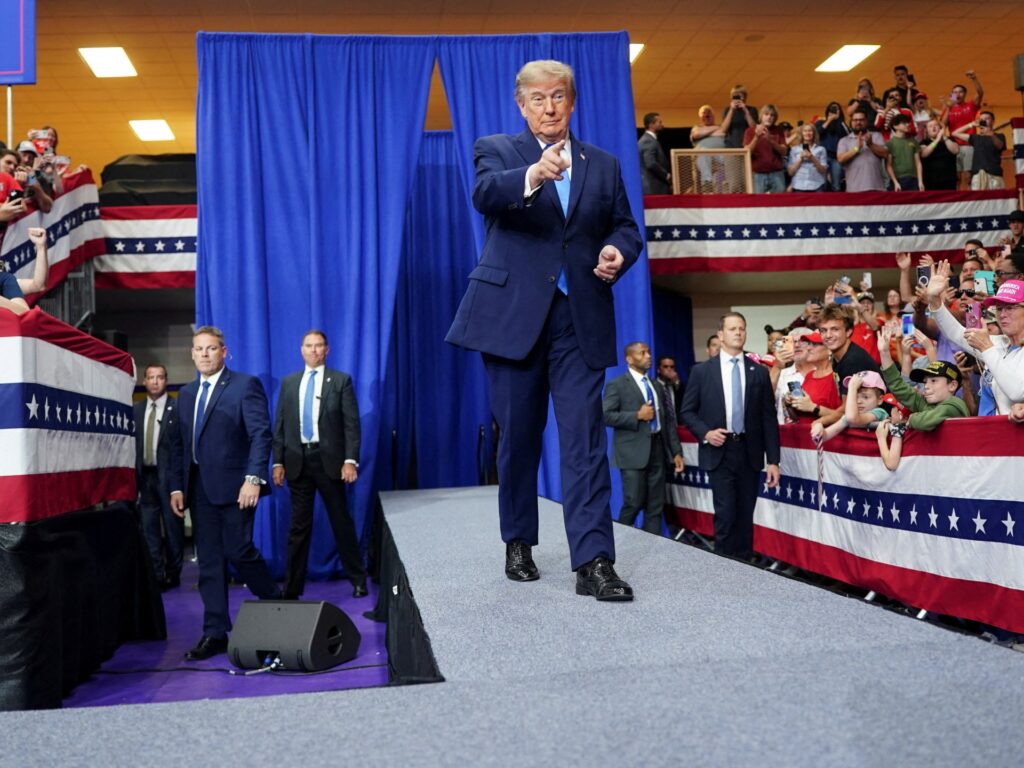
Former President Donald Trump has declared that taxpayers will no longer bear the cost of television advertisements that praise him. This announcement follows significant backlash and criticism from ethics experts regarding three nationally broadcast ads that were seen as self-promotional and inappropriate for taxpayer funding.
The ads in question have drawn scrutiny from multiple ethics watchdogs who argue that using public funds for messages that glorify a sitting or former political figure undermines ethical standards and public trust. The critics have urged for independent investigations to assess the legality and appropriateness of such expenditures.
Trump’s decision to halt taxpayer funding for these ads represents a response to the growing pressure from the public and accountability groups. It highlights the increasing sensitivity over the use of government resources for political self-promotion rather than public service announcements or critical information.
The controversy erupted after the release of three notable advertisements aired nationwide, showing Trump in a favorable light. These ads were financed by government funds, raising concerns over misallocation of public monies.
Ethics experts have consistently called for greater transparency and oversight in how government funds are spent on advertising. The ads were viewed as potentially violating principles that prohibit the use of taxpayer dollars for personality-driven political messaging.
In the face of mounting criticism, Trump’s announcement to cease such funding is seen as a step towards restoring public confidence. However, calls for independent investigations continue, as watchdogs seek to ensure that no other similar advertising initiatives are being improperly financed.
This development also brings to light the broader conversation about ethical standards for political communication funded by the government. It emphasizes the necessity for clear regulations and accountability mechanisms to prevent misuse of public resources.
The debate over these taxpayer-funded ads has triggered discussions in Congress and among regulatory bodies about tightening rules and ensuring stricter compliance in all government-sponsored advertising.
Trump’s move might influence other political figures and public offices to review their advertising campaigns and funding sources to avoid similar backlash.
As the story unfolds, the repercussions of the ethics criticism may lead to more robust policies safeguarding taxpayer investments from becoming vehicles for political self-promotion.
In summary, the halt of taxpayer-funded TV ads praising Trump marks a pivotal moment in the ongoing discourse about ethical use of public funds. It underlines the importance of upholding ethical standards in government communications and maintaining the public’s trust in how their money is utilized.