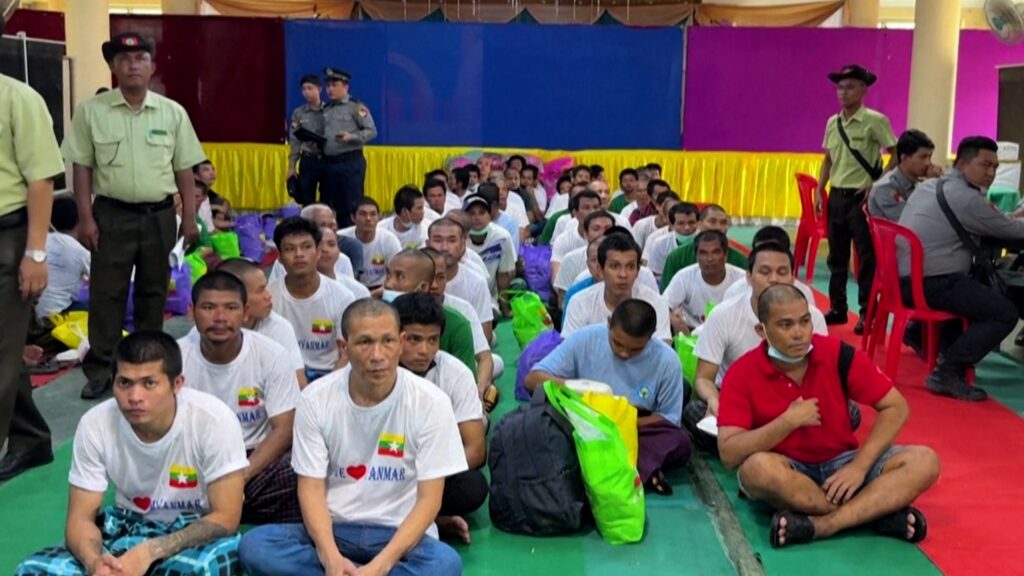
A prominent Rohingya activist has voiced strong opposition to proposals aimed at sending Rohingya refugees back to Myanmar, describing such plans as unfair and inhumane. The Rohingya, a Muslim minority group from Myanmar’s Rakhine State, have faced decades of persecution and violence, which escalated dramatically in 2017 when a brutal military crackdown forced hundreds of thousands to flee to neighboring Bangladesh and other countries.
The activist emphasized that the conditions in Myanmar remain unsafe for the Rohingya, highlighting the lack of citizenship rights, ongoing ethnic discrimination, and insufficient guarantees of protection. She underscored that repatriating refugees without addressing these root causes would expose them to further human rights abuses and violence.
International bodies, including the United Nations, have likewise expressed concerns about repatriation efforts, advocating for a voluntary, safe, and dignified return process. However, the Myanmar government’s restrictive policies and reluctance to recognize Rohingya rights continue to impede progress toward sustainable solutions.
Many Rohingya refugees currently live in overcrowded camps with limited access to education, healthcare, and employment opportunities. Despite these hardships, activists argue that the alternative of forced repatriation could aggravate their vulnerability.
Advocates are calling for increased international support to improve living conditions in refugee settlements and to pressure the Myanmar government to implement reforms that respect the rights of all ethnic minorities. They stress the importance of durable political and social solutions over temporary fixes.
The Rohingya situation remains one of the most pressing humanitarian crises worldwide, with ongoing displacement affecting hundreds of thousands of people. Activists urge global attention and action to ensure that any decisions regarding repatriation are guided by principles of justice, safety, and human rights.
This call for fairness and justice reflects broader concerns about the treatment of marginalized communities in conflict zones. The Rohingya activist’s stance shines a light on the need for comprehensive strategies to address ethnic persecution, refugee protection, and international cooperation to foster peace and stability in the region.