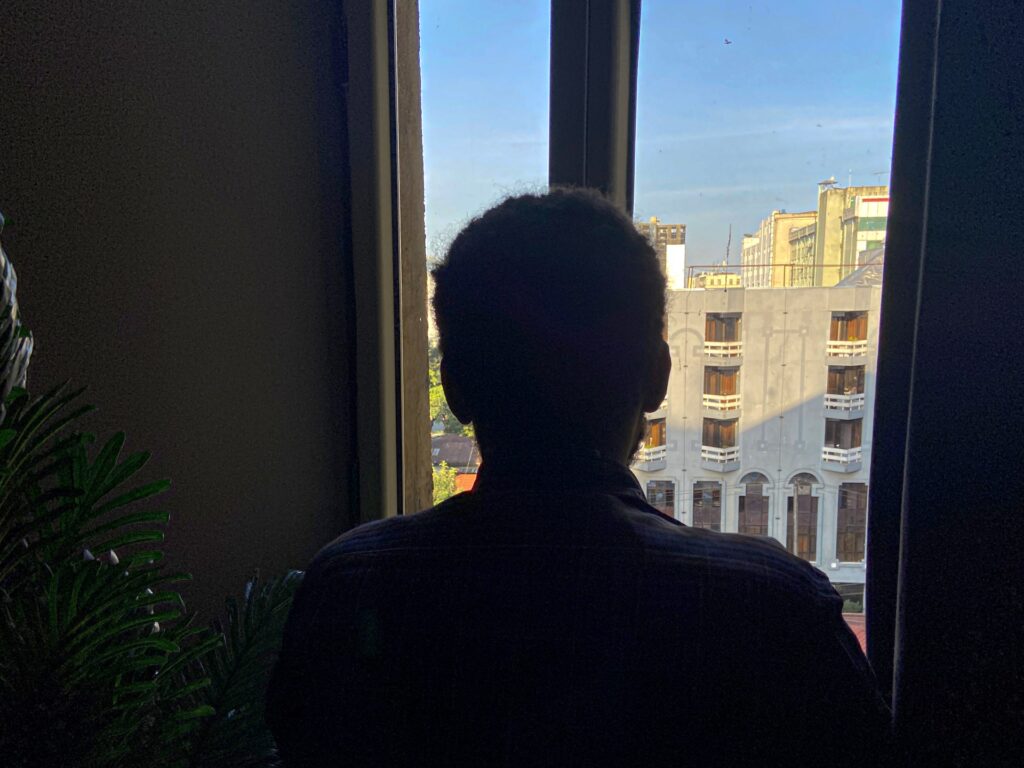
In the wake of years of devastating conflict, the Tigray region is witnessing a troubling new wave of fear among its young male population. Many young men are fleeing their homes, driven by deep concerns over the possibility of forced recruitment into ongoing hostilities.
The war, which has brought immense suffering and displacement, has left a legacy of unresolved tensions that continue to destabilize the region. Despite efforts at peace and rebuilding, the threat of being involuntarily drawn into armed conflict remains a pervasive concern for the youth.
Community reports indicate that families are struggling to protect their sons from recruitment pressures. The atmosphere of anxiety is compounded by a lack of clear security and the unpredictable nature of local power dynamics.
International observers and human rights organizations have raised alarms over forced recruitment practices, calling for urgent interventions to safeguard vulnerable populations. The exodus of young men not only highlights the ongoing instability but also signals the deep social impacts that conflict continues to impose.
Local leaders and representatives from various factions agree that addressing the root causes of tension will be essential to fostering long-term peace and stability. Programs aimed at reintegrating former combatants and providing economic opportunities for youth have been suggested as critical steps toward preventing further violence.
Moreover, the psychological toll on young men forced to flee their communities is significant. Many face uncertain futures, living as displaced or refugees, often without access to adequate support systems.
The cycle of fear and mistrust perpetuates the conflict’s legacy, urging regional and international stakeholders to intensify diplomatic efforts. Ensuring that all parties commit to cease recruitment of minors and respecting human rights is seen as paramount.
As Tigray moves forward, the voices and well-being of young men stand as a crucial indicator of peace prospects. Their safety and freedom from coercion remain central concerns for peacebuilders seeking stability in the region.
The international community must keep focused on these challenges, supporting peace processes and humanitarian aid to help break the cycle of violence and fear that grips Tigray’s youth. Only through sustained commitment can the region hope to rebuild a future free from the shadows of war.