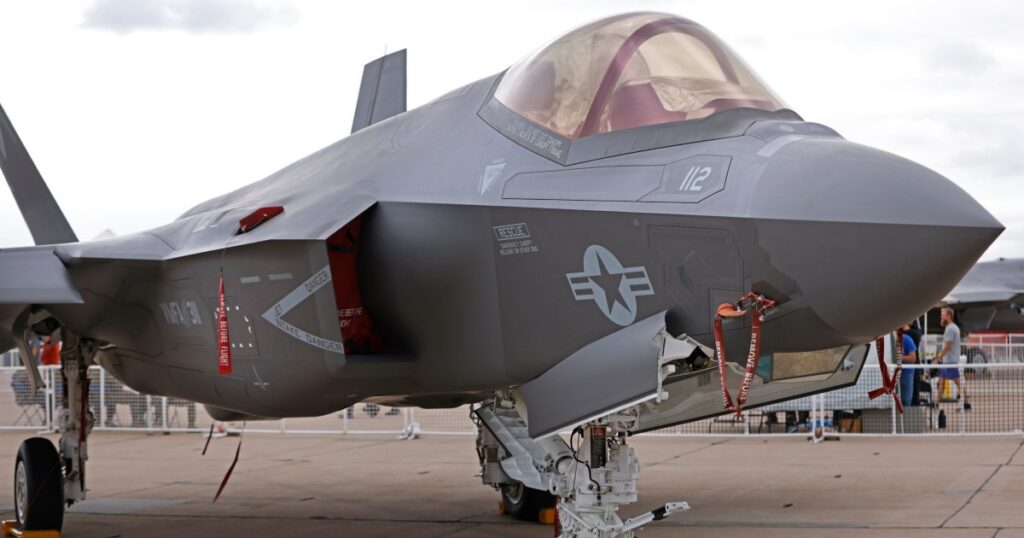
Recent reports have surfaced alleging that China may have received parts for the US F-35 fighter jet by diverting a shipment originally meant for Australia. These claims have prompted investigations by both Australian and US authorities into the matter. The controversy centers around F-35 components that were mistakenly sent to Hong Kong, raising alarm over the potential exposure of sensitive military technology.
The F-35 Lightning II is a highly advanced stealth multirole fighter used by multiple allied nations, including the United States and Australia. It incorporates cutting-edge military technology designed to maintain air superiority and ensure national security. Consequently, the management and shipment of its components are subject to strict security protocols and oversight.
According to initial sources, a shipment of F-35 parts destined for Australia inadvertently ended up in Hong Kong. This detour has sparked serious concerns due to the possibility that the technology could fall into the hands of unauthorized entities, particularly China, which is viewed by the US and its allies as a strategic competitor.
Both the US and Australian governments have launched coordinated investigations to determine how the mistake occurred, whether any sensitive technology was compromised, and what security measures must be implemented to prevent similar incidents in the future. These investigations are critical given the geopolitical implications and the high value placed on the protection of advanced military technology.
The case also underscores the complexities associated with global military supply chains, especially those involving allies with varied political relations. Hong Kong’s role as a global shipping hub further complicates tracing the endpoint and recipients of such shipments.
While details remain closely guarded due to the sensitive nature of the F-35 program, officials have emphasized the need for a thorough review of logistics and customs procedures involved in the handling of military parts. Ensuring that such valuable technology does not unintentionally reach rival nations is paramount.
The incident has added to a series of ongoing tensions related to military technology transfers and espionage concerns in the broader context of US-China relations. It is a stark reminder of the vulnerabilities in military supply networks and the necessity for stringent oversight.
In response, defense experts suggest reviewing international cooperation agreements and enhancing surveillance of shipments that include critical defense equipment. Both Australia and the United States are expected to augment their protocols, tightening security around the transport of F-35 components.
This investigation remains active, and further information will likely be revealed as authorities work to trace the shipment’s path. The outcome will have significant consequences for future military logistics, allied defense strategies, and international relations regarding technology control.
In conclusion, the mistaken shipment of US F-35 parts to Hong Kong, a pivotal transit point, has ignited major security investigations amid fears that China might have accessed sensitive US military technology by intercepting this shipment. The resolution of this issue will determine how the allied nations can better secure their critical defense technologies in an increasingly complex geopolitical landscape.