In a significant move highlighting the growing concerns around artificial intelligence (AI) development and deployment, leading figures in the AI industry have collectively urged the United Nations to implement global regulations. This call to action comes at a time when the Trump administration has shown reluctance in establishing new regulatory frameworks for AI, raising fears of an uncoordinated approach to this transformative technology.
The push for global oversight reflects the industry’s acknowledgment of AI’s profound impact on society, economies, and national security. Corporate leaders stressed that without a harmonized regulatory system, the risks associated with AI — such as privacy violations, biased decision-making, and potential misuse — could escalate, undermining public trust and safety.
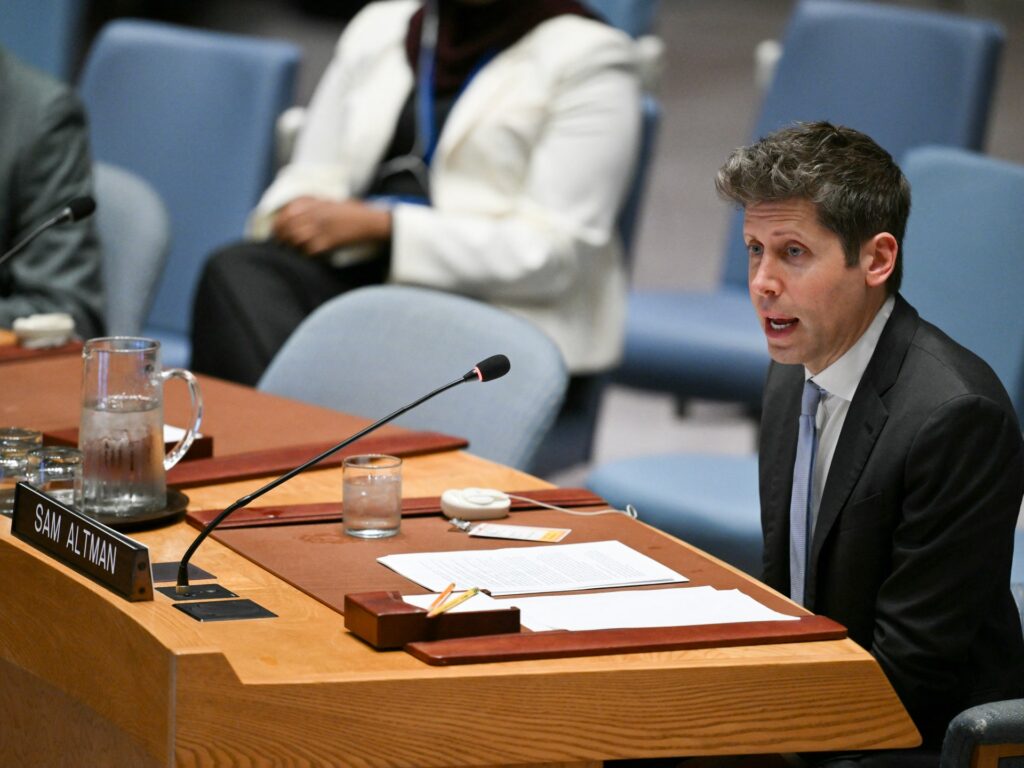
During discussions at the UN, executives from major AI companies emphasized the necessity for international cooperation to set clear standards and ethical guidelines. They argued that patchwork regulations or the absence thereof could allow some nations or corporations to engage in practices that might be harmful or unethical, thus putting the entire AI ecosystem at risk.
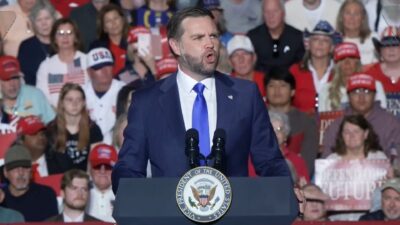
Despite the industry’s initiative, the stance of the Trump administration remains cautious and somewhat resistant to rapid governmental intervention in AI. The administration’s concerns are partly rooted in preserving innovation freedom and avoiding overly restrictive rules that could stifle technological advancement and competitiveness.
This divergence between industry leaders advocating for governance and a government wary of regulatory constraints signals a complex debate about the future of AI control. Many experts believe that an international framework could help balance innovation with ethical development, ensuring AI technologies benefit humanity while minimizing potential harms.
The call at the UN underscores how AI has moved beyond a niche technological field into a global societal issue requiring coordinated policymaking. It reflects wider trends where the rapid evolution of technology demands agile yet robust governance to keep pace with both opportunities and challenges.
As AI continues to advance, the dialogue between industry leaders and policymakers worldwide will be crucial. The hope expressed by corporate voices is that the UN and member countries will take a proactive role in shaping regulations that promote transparency, accountability, and inclusiveness in AI development.
This development could mark a turning point in AI governance, highlighting the need for collaborative international frameworks that transcend national borders. The ultimate aim is to ensure AI technologies are developed and deployed responsibly, aligning with shared human values and safeguarding future generations.
In summary, while the Trump administration hesitates, AI industry leaders advocate for global regulatory measures at the UN. Their unified stance stresses the urgency of establishing guardrails to harness AI’s benefits safely and equitably worldwide, setting the stage for a broader international conversation on the governance of emerging technologies.