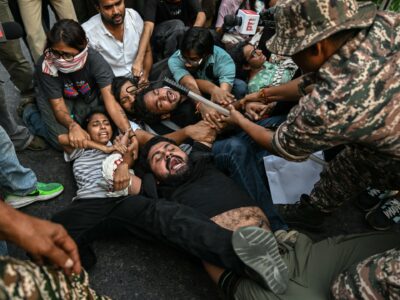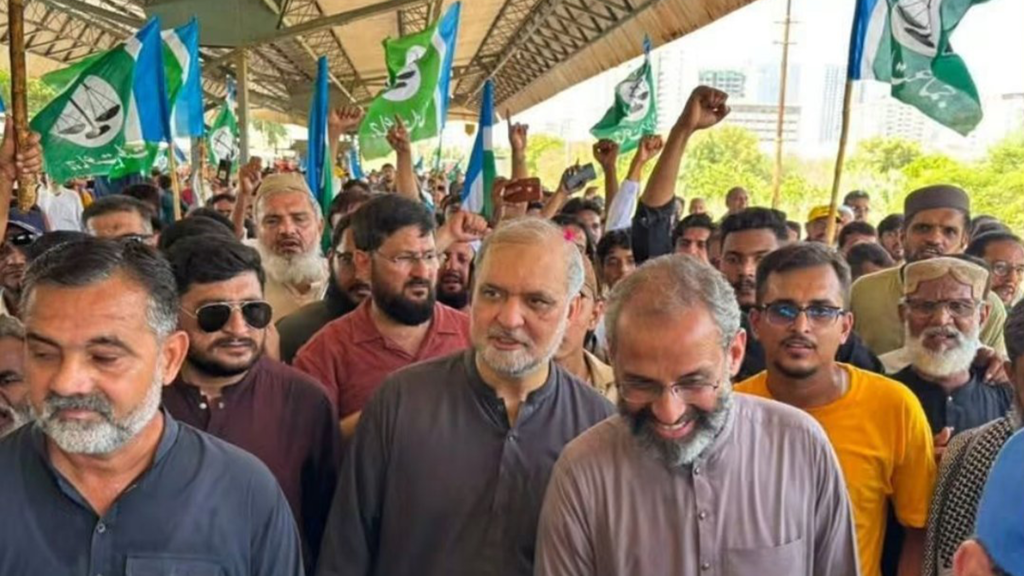
In a significant demonstration of public discontent, Pakistan’s Jamaat-e-Islami party has initiated a protest march towards Islamabad in response to the country’s escalating fuel prices. This rally marks one of the most vocal and organized responses to a crisis that has deeply affected the economic and daily lives of Pakistanis.
The protest underscores mounting frustration among citizens who are grappling with the sharp surge in fuel costs, which has led to increased transportation expenses and elevated prices of essential goods. The Jamaat-e-Islami, a prominent religious and political party, has mobilized supporters from various regions, emphasizing the widespread impact of the fuel price hikes.
Fuel prices in Pakistan have seen significant increases over recent months due to global market fluctuations, currency depreciation, and domestic policy challenges. These hikes have strained household budgets and exacerbated inflationary pressures across the country. For many, the rising prices have translated into difficulties in commuting, higher costs for food and commodities, and general economic insecurity.
The march aims to demand government intervention and relief measures to alleviate the burden on the common people. Demonstrators are calling for policies that would stabilize or reduce fuel prices, better economic management, and transparency in fuel pricing mechanisms.
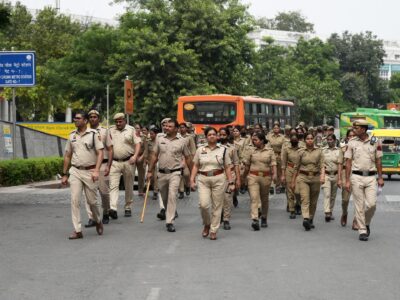
Authorities in Islamabad have been preparing to manage the protest to ensure it remains peaceful and orderly. Security measures have been heightened, and officials have engaged in dialogue with party representatives to address their concerns.
The protest march to Islamabad is part of a broader pattern of civil activism in Pakistan, where economic grievances often lead to public demonstrations. The Jamaat-e-Islami’s involvement highlights the role political parties play in channeling public frustration into organized movements.
Analysts suggest that sustained high fuel prices could lead to more widespread unrest if the government does not effectively respond. The protest serves as a reminder of the volatility that economic challenges can provoke in politically sensitive environments.
This event brings attention to the critical issue of fuel affordability in Pakistan and its broader implications on social stability and economic health. The outcome of this protest may influence future policy decisions and the political landscape, as the government navigates the complex demands of its population.
In summary, the protest march led by Jamaat-e-Islami towards Islamabad is a vivid expression of the public’s struggle with soaring fuel costs. It highlights urgent calls for governmental action to secure economic relief and restore public confidence amid ongoing financial challenges.
The situation remains fluid as the march progresses, with potential impacts on traffic and urban life in Islamabad. Both protesters and authorities appear committed to maintaining peace while voicing and addressing these critical concerns. Observers and stakeholders across Pakistan continue to watch closely, hopeful for a resolution that balances economic realities with social justice.