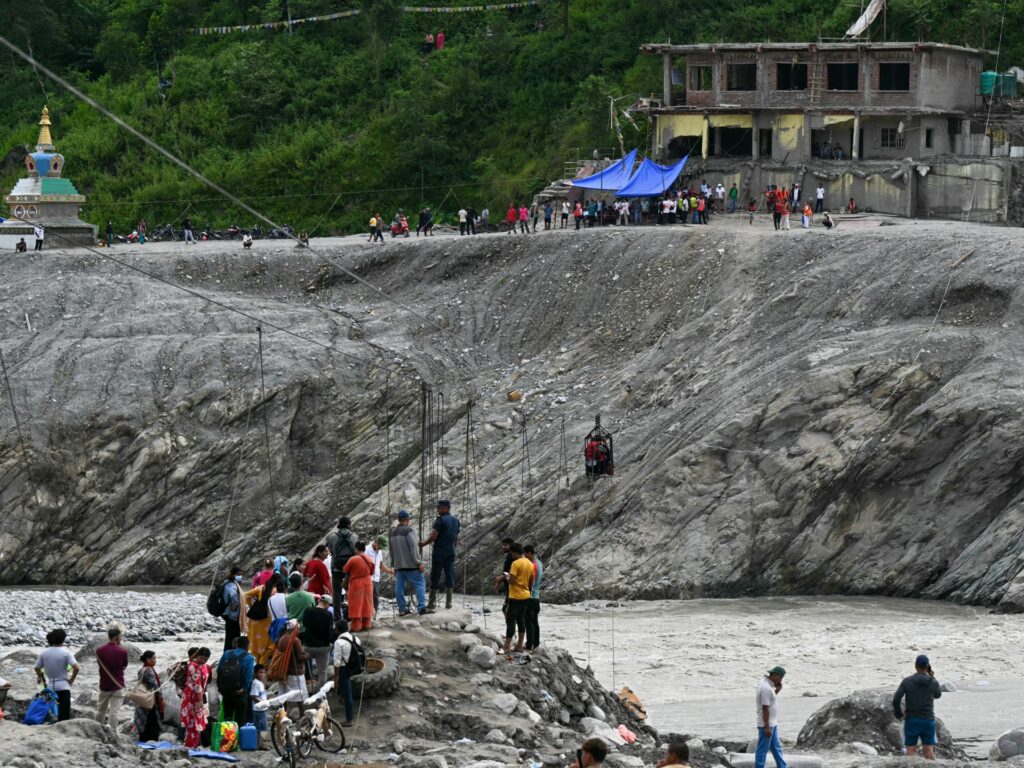
The recent devastating floods in Nepal have once again spotlighted a critical issue: the lack of effective cross-border warning systems in the fragile Himalayan region. Experts warn that with the ongoing environmental degradation and climate change accelerating the risk of such disasters, it is imperative that neighboring countries work together to establish timely and reliable alerts to protect vulnerable populations.
The Himalayas are not just the tallest mountain range in the world; they are also home to rapidly melting glaciers and unstable geological formations. When these natural features collapse or shift abruptly, they can unleash massive floods and landslides downstream. These events often impact multiple countries, yet the warning processes remain fragmented and insufficient.
Currently, the flow of information about imminent geological or hydrological threats is limited by political boundaries, missing a cohesive mechanism for disseminating alerts in real-time. This gap means that communities downstream in India, Nepal, Bhutan, and even Bangladesh often receive little to no prior notice of potential disasters.
Experts are calling for a collaborative approach that includes joint monitoring stations, shared data platforms, and coordinated communication strategies across national borders. Such systems would leverage advanced technologies, including remote sensing satellites, seismic sensors, and river flow gauges, to provide comprehensive and early detection of signs indicating potential collapses or floods.
The humanitarian implications of this are immense. Timely warnings save lives by allowing authorities to evacuate at-risk populations, prepare emergency responses, and mitigate damage to infrastructure. They are especially critical in the Himalayas, where remote communities face significant challenges in responding quickly to sudden natural hazards.
International organizations and regional alliances have started to acknowledge the importance of enhanced cross-border cooperation. Initiatives focusing on disaster risk reduction in the Himalayan region aim to build trust among countries, align scientific efforts, and ensure equitable access to early warning information.
In addition to technical measures, political will and diplomatic collaboration are essential. Countries need to overcome geopolitical tensions that have historically hindered data sharing and coordinated responses. Establishing formal agreements and protocols for joint disaster management will be a crucial step forward.
The Nepal floods serve as a stark reminder that natural disasters do not respect borders. As the Himalayas continue to feel the impacts of climate change, the urgency of creating reliable, cross-border early warning systems cannot be overstated. Without such systems in place, the question remains: when the Himalayas collapse, who really gets warned?
In summary, the recent floods in Nepal highlight a pressing concern in disaster management. To effectively protect the millions living in one of the world’s most sensitive and interconnected mountain environments, regional cooperation on early warning systems must move from concept to reality. The time to act is now—before another tragedy underscores the cost of inaction.