A recent investigation by a United Nations fact-finding mission has brought to light grave allegations against Iranian forces, accusing them of committing crimes against humanity during the crackdown on protests. These findings have raised significant concerns within the international community about the severity of the Iranian government’s response to civil unrest.
The UN mission was tasked with examining the circumstances and actions taken during protests in Iran, where demonstrators gathered to voice their dissent against various political and social issues. The mission’s report details numerous instances of excessive force, unlawful killings, arbitrary detentions, and mistreatment of prisoners.
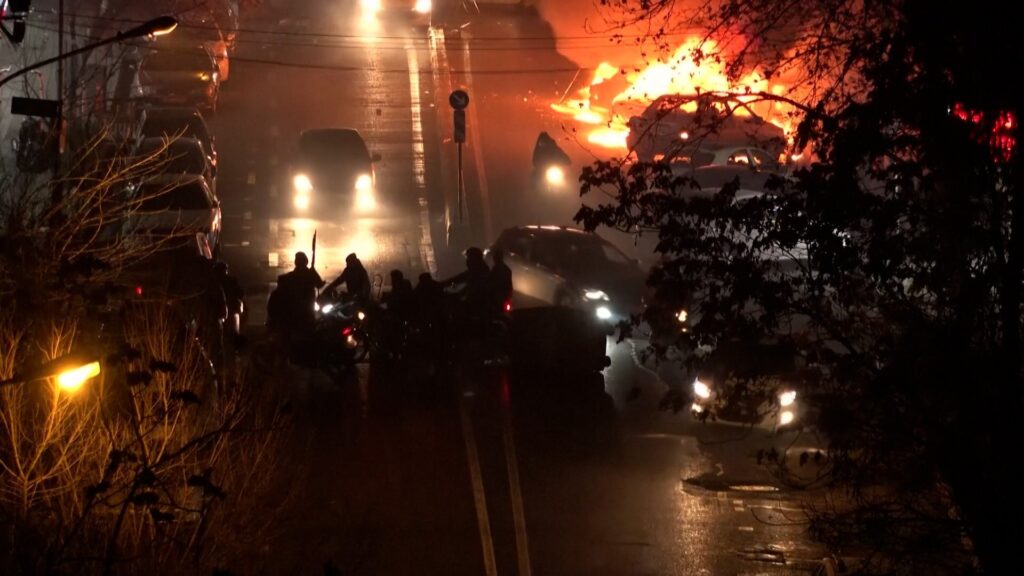
According to the findings, Iranian security forces used disproportionate violence in multiple cities, resulting in numerous civilian deaths and injuries. Eyewitnesses and victims’ accounts describe methods of suppression including live ammunition, tear gas, and physical beatings. The report also highlights the targeting of peaceful protesters, journalists, and human rights defenders.
This harsh crackdown has led to widespread condemnation from international human rights organizations and governments around the globe. The UN fact-finding mission emphasizes that these actions likely constitute violations of international human rights laws and may amount to crimes against humanity—a classification that calls for accountability and justice.
The mission urges the Iranian government to immediately cease all forms of repression against protestors and to conduct thorough, impartial investigations into the alleged abuses. It also recommends that the international community take appropriate measures to support justice and prevent further violations.
The implications of these findings are far-reaching. They highlight the urgent need for dialogue and reform in Iran, especially concerning civil liberties and the protection of citizens’ rights to peaceful assembly and expression. The report has reignited global calls for accountability and has put pressure on Iran to adhere to its international obligations.
While the Iranian authorities have historically denied allegations of abuses during protests, the UN’s detailed report presents compelling evidence that challenges these denials. It underscores a systemic pattern of repression and impunity that has had devastating effects on families and communities within Iran.
The international community now faces a crucial decision on how to respond effectively to these allegations. Advocates argue for stronger diplomatic pressure, targeted sanctions against responsible individuals, and support for human rights defenders within Iran.
As the situation develops, the United Nations continues to monitor the human rights landscape in Iran, calling for transparency, accountability, and respect for the fundamental rights of all Iranian citizens. The mission’s report serves as a stark reminder of the ongoing struggles faced by those seeking justice and dignity in the face of oppression.
These revelations stand as a critical juncture in Iran’s recent history, compelling stakeholders worldwide to confront the realities on the ground and advocate for meaningful change.